

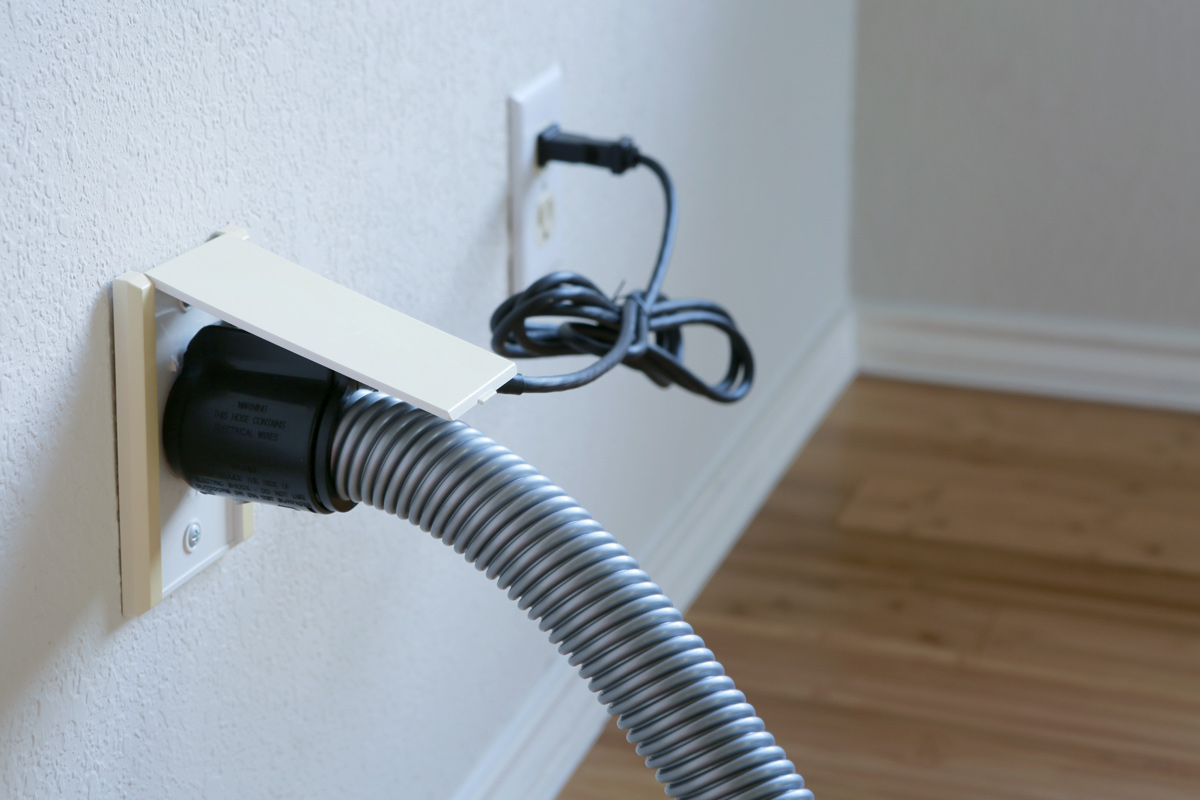
If you notice your central vacuum is not running as efficiently as it once did, you are alone. Many homeowners will experience issues like your central vacuum isn’t performing like it used to, you’re not alone. From weak suction to mysterious shutdowns, many homeowners deal with frustrating central vacuum problems that impact efficiency and comfort. Below are seven of the most common central vacuum issues, how they can cost you time or money, and when it’s time to call in a central vacuum repair professional.
1. Weak Suction or Loss of Power
If your system isn’t picking up dirt like it should, you’re likely facing central vacuum suction problems. This could be due to a clogged hose, a leaky pipe, or a worn motor. A system running inefficiently will force you to vacuum longer and more often costing you time and reducing your system’s lifespan.
Tip: If suction is uneven across inlets, you may need a professional to inspect leaks or blockages in your central vacuum tubing.
2. Clogged or Leaky Hose/Tube System
Over time, dirt and debris can build up inside the tubing, causing clogs that restrict airflow. In some cases, leaks in the PVC pipes can cause suction loss, increase your energy use and lower performance in the system.
Note: If basic unclogging methods don’t solve the problem, it may be time to call in the experts. Our professional team can quickly identify the issue and get your system running efficiently again.
3. Motor Making Noises
Grinding, squealing, or loud humming noises often point to a failing motor or worn bearings. Using a central vacuum while the motor isn’t working properly can lead to several problems, including:
• Further damage to the motor, potentially causing complete failure
• Overheating, which can create safety hazards or trip circuit breakers
• Reduced suction power, making cleaning ineffective and time-consuming
• Increased energy consumption due to the motor struggling to operate
• Damage to other components like belts, brushes, or filters from improper operation
Don’t wait. It’s best to address motor issues promptly to avoid costly repairs or replacements.
4. Dust Leaking from the Unit
If you notice dust accumulating around your central vacuum unit, it may mean the filter is clogged, torn, or the unit is improperly sealed. This leads to poor air quality and reduced suction power.
DIY vs Professional Repair: While replacing filters may help, dust leaks often require inspection of internal seals or the motor chamber.
5. Faulty Wall Inlet Connections
When one or more wall inlets stop working, it could be due to a faulty low-voltage wire, a worn inlet valve, or loose internal connections. These issues can lead to intermittent power loss or system shutdowns.
Tip: Always check your inlet cover and wiring first. If multiple outlets fail, call our central vacuum troubleshooting experts today.
6. System Won’t Turn On or Off Properly
If your central vacuum won’t start or stop it may be an electrical issue, relay failure, or even a short circuit in your wiring. These problems are not only annoying but can pose a fire risk if left unresolved.
Pro Tip: For safety, avoid DIY repairs on electrical components. Our certified technicians can handle central vacuum system repairs safely and efficiently.
7. Full or Improperly Installed Vacuum Bag/Canister
Sometimes the problem is simple: the vacuum bag is full or not properly installed. A full bag can cause overheating or trigger a system shutoff. If the bag isn’t seated correctly, dirt can bypass the filter and damage your motor.
Make it a habit to check and replace your vacuum bags or canister regularly. For help finding the right bags, call our central vacuum experts.