

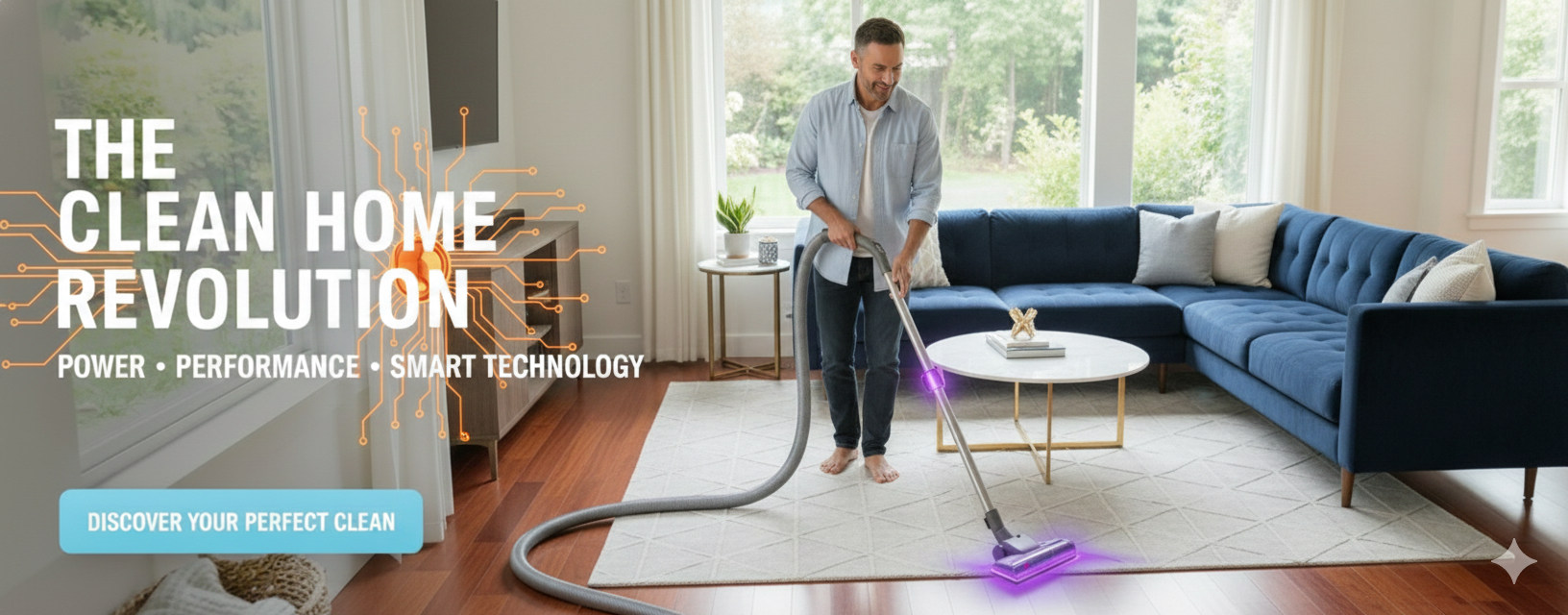
The Future of Home Cleaning Technology
Vacuuming has evolved dramatically from bulky machines and manual adjustments. Today, smart vacuum technology is transforming how homes stay clean, making the process more efficient, automated, and effortless than ever before. From intelligent sensors to fully autonomous robot vacuums, innovation is redefining what modern home cleaning looks like.
Homeowners researching upgrades often start by exploring professional vacuum systems and home cleaning solutions to compare technologies, features, and installation options.
Let’s explore how AI vacuums and connected devices are shaping the future of smart home cleaning.
What Is a Smart Vacuum?
A smart vacuum is designed to think, adapt, and respond to its environment. Unlike traditional models, smart vacuums use sensors, software, and connectivity to optimize cleaning performance with minimal user effort.
Key characteristics include:
- Automated navigation and mapping
- App and voice control
- Adaptive suction and cleaning modes
- Scheduling and real-time monitoring
These features allow homeowners to maintain cleaner spaces with less hands-on time and more consistent results.
Why Are Robot Vacuums Becoming So Popular?
One of the biggest breakthroughs in vacuum technology is the widespread adoption of robot vacuums. These compact devices clean autonomously while you focus on work, family, or relaxation.
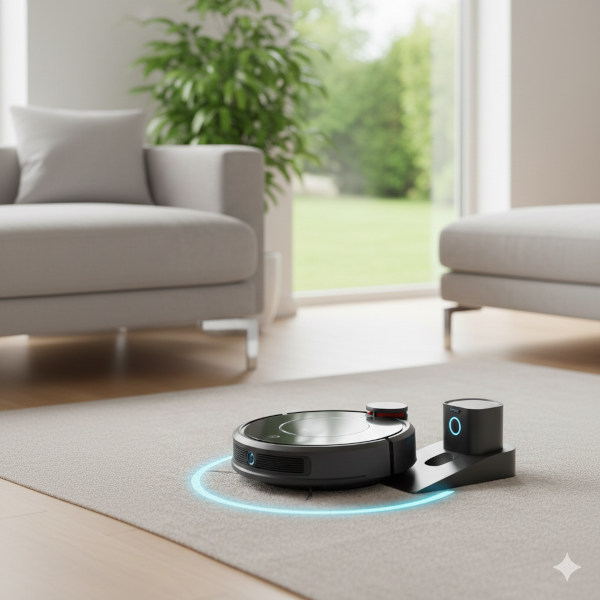 Why robot vacuums are so popular:
- Clean floors while you’re away
- Navigate around furniture and obstacles
- Recharge automatically when needed
- Maintain daily cleanliness with minimal effort
Robot vacuums are ideal for routine maintenance, especially in busy households and smart homes. Many homeowners pair them with built-in systems, and it helps to understand the benefits of central vacuum systems for whole-home cleaning when planning a layered cleaning strategy.
How AI Vacuums Learn and Adapt
AI-powered vacuums use machine learning and advanced sensors to improve cleaning performance over time.
They can:
- Recognize high-traffic areas
- Detect floor types and adjust suction automatically
- Avoid obstacles and fragile objects
- Optimize cleaning paths for efficiency
This intelligent adaptability results in faster cleaning, reduced energy use, and better overall coverage across different floor surfaces.
How Do Smart Vacuums Fit Into a Smart Home?
Modern smart vacuums are designed to work seamlessly within connected homes.
Common integrations include:
- Smartphone apps for remote control and scheduling
- Voice assistants like Alexa or Google Home
- Real-time notifications and cleaning reports
As smart home ecosystems grow, cleaning becomes a background task—handled quietly and consistently without interrupting daily life.
For homeowners building or upgrading a system, reviewing vacuum installation accessories and system components can help ensure compatibility, performance, and long-term reliability.
Convenience Meets Performance
Modern vacuum technology focuses not just on automation, but also on cleaning quality.
Advanced features include:
- Self-emptying dust bins
- HEPA-level filtration
- Precision edge and corner cleaning
- Multi-surface adaptability
These innovations ensure smart vacuums don’t just clean more often—they clean better.
Are Smart Vacuums Replacing Traditional Vacuums?
While smart vacuums excel at daily maintenance, they work best alongside traditional or central vacuum systems for deep cleaning tasks.
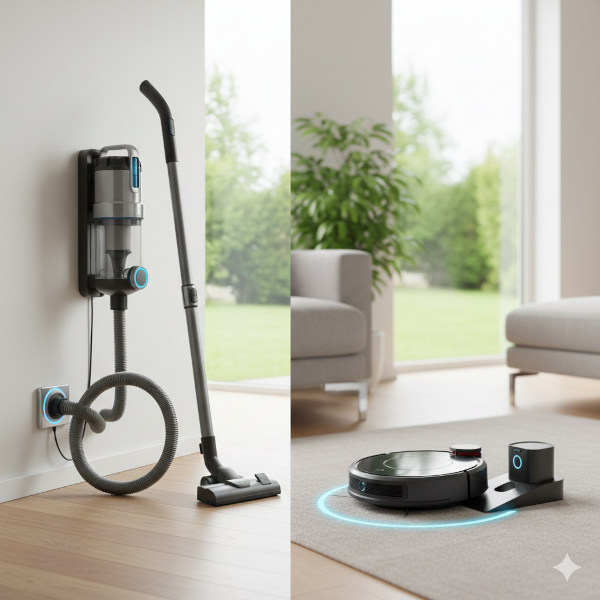 Smart vacuums are ideal for:
- Daily dust and debris removal
- Pet hair maintenance
- Keeping floors clean between deep cleans
Many homeowners use robot vacuums as part of a layered cleaning strategy for optimal results and long-term cleanliness.
Choosing the Right Vacuum System for Your Home
Every home has different cleaning needs depending on flooring, pets, square footage, and daily activity. Homeowners researching long-term solutions often consider a combination of robot vacuums for daily maintenance and built-in systems for deeper cleaning and improved air quality.
If you’re comparing options or planning an upgrade, reviewing central vacuum systems and installation guidance can help you understand what works best for different home layouts and cleaning routines.
The Future of Vacuum Technology
As innovation continues, smart vacuums are becoming even more intuitive and efficient.
Emerging trends include:
- Improved object recognition
- Enhanced AI-driven customization
- Better integration with whole-home systems
- Increased energy efficiency
The future of home cleaning is automated, intelligent, and increasingly hands-free.
Frequently Asked Questions About Smart Vacuums
Are robot vacuums powerful enough to replace traditional vacuums?
Robot vacuums are excellent for daily maintenance, dust, and pet hair, but most homeowners still rely on traditional or central vacuum systems for deep cleaning and heavy debris.
Do smart vacuums work well in larger homes?
Modern robot vacuums use mapping and navigation to clean larger floor plans efficiently. Many models can recharge and resume cleaning automatically, making them practical for bigger spaces.
What is the advantage of a central vacuum system over portable vacuums?
Central vacuum systems typically provide stronger suction, quieter operation, and improved indoor air quality because debris is collected away from living areas. Many homeowners use them together with robot vacuums for a complete cleaning approach.
Final Thoughts: A Smarter Way to Clean
The vacuum revolution is already underway. Smart vacuums, robot vacuums, and AI-powered technology are changing home cleaning by making it easier, more efficient, and more convenient than ever before.
For homeowners looking to simplify routines and embrace innovation, smart vacuum technology offers a glimpse into the future of smart home cleaning—quietly working in the background, keeping every corner ready for whatever life tracks in next.