


Sewing Machine Care, Repair & Performance Guide
(How Professional Service Extends the Life of Your Sewing Machine)
Sewing machines are the quiet engines behind creativity. From simple hems to intricate quilts, they power projects that require precision, consistency, and reliability. But like any precision tool, sewing machines require regular maintenance and occasional repair to perform at their best.
Understanding how to care for your machine, recognizing early warning signs, and choose expert service can dramatically extend its lifespan while improving stitch quality.
For many sewists, working with a trusted sewing machine professionals for sewing machine repair is the difference between ongoing frustration and effortless sewing.
Why Sewing Machine Maintenance Matters
A sewing machine contains dozens of moving parts working together in tight tolerances. Lint buildup, worn belts, tension issues, and dried lubrication can quickly impact performance.
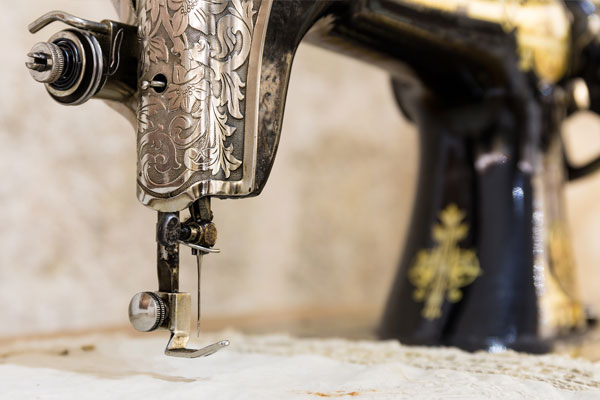 Routine maintenance typically includes:
- Cleaning internal components
- Lubricating moving parts
- Resetting tension
- Adjusting needles and belts
- Inspecting motors and drive systems
Professional tune-ups help prevent common issues such as skipped stitches, thread breakage, noise, and uneven seams. Regular servicing is recommended annually to keep machines operating smoothly and avoid costly repairs later.
Common Sewing Machine Problems (And What They Mean)
Many sewing issues start small but signal deeper mechanical needs.
1. Thread bunching or tension problems
Often caused by lint buildup, improper threading, or tension unit misalignment.
2. Machine noise or vibration
Typically related to lubrication loss, worn belts, or internal debris.
3. Skipped stitches
Can result from needle issues, timing problems, or feed mechanism wear.
4. Machine not feeding fabric properly
Usually tied to feed dog alignment or internal mechanical friction.
These issues are frequently resolved through professional cleaning, calibration, and part adjustment rather than replacement.
DIY Care vs Professional Repair
Basic at-home care is helpful:
- Removing lint after projects
- Replacing needles regularly
- Using quality thread
- Proper storage
However, internal servicing requires specialized tools and experience. Some repairs involve motor systems, timing calibration, and brand-specific components that are best handled by trained technicians.
Working with experienced technicians ensures authentic parts, proper diagnosis, and consistent repair quality across both vintage and modern machines.
The Benefits of Professional Sewing Machine Repair
Choosing expert repair offers several long-term advantages:
✔ Extended machine lifespan
Routine servicing prevents premature wear.
✔ Better stitch quality
Precise tension and calibration improve results.
✔ Reduced downtime
Quick diagnosis and repair restore productivity.
✔ Protection of your investment
Professional service avoids incorrect DIY fixes that can cause additional damage.
Many repair specialists service a wide range of brands and models, ensuring compatibility and accurate parts sourcing.
When to Schedule Service
You should consider professional service if:
- Your machine hasn’t been serviced in 12 months
- You notice noise, vibration, or tension changes
- Stitch quality suddenly declines
- The machine has been unused for long periods
- You sew frequently or run a sewing business
Even machines sitting unused can require servicing because lubrication can dry out and internal components may shift over time.
Choosing a Sewing Machine Repair Specialist
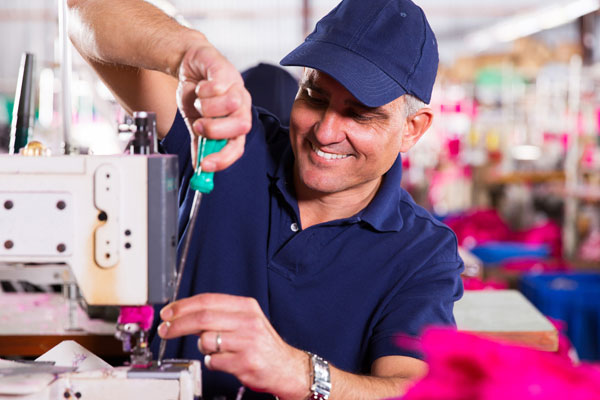 When selecting a repair provider, look for:
- Experienced technicians
- On-site repairs
- Brand expertise
- Genuine replacement parts
- Clear estimates before work begins
- Ongoing maintenance guidance
Established repair specialists often provide both routine tune-ups and complex repairs for household machines, helping sewists maintain consistent performance over time.
Supporting Your Sewing Machine Between Services
To keep your machine performing at its best:
- Clean lint frequently
- Store with a cover
- Use correct needles for each fabric
- Avoid forcing thick materials
- Schedule annual professional maintenance
Consistent care reduces repair frequency and preserves stitch precision.
Keep Creativity Running Smoothly
Your sewing machine is more than a tool. It is the foundation of every project you create. With proper maintenance and expert support, machines can perform reliably for decades.
If you’re noticing performance issues or simply want preventative care, professional sewing machine repair services can restore precision and extend the life of your equipment.
For more expert tips, maintenance advice, and repair insights, explore the latest resources on the Gator Vacuum blog.