

The 24-Point Tune-Up: What Parkland Sewists Should Expect
If you’ve invested in a high-quality sewing machine, you already understand that precision matters. Whether you’re quilting heirloom pieces, tailoring garments, or running embroidery projects daily, your machine is a finely tuned piece of equipment, not just a household appliance. And like any precision tool, it requires regular professional care.
For sewists in Parkland, where craftsmanship and quality are often top priorities, a professional 24-point sewing machine tune-up isn’t just maintenance. It’s protection for your investment. But what exactly does that mean? And why is it so much more valuable than a DIY cleaning or quick oiling?
Let’s break it down.
What Is a 24-Point Sewing Machine Tune-Up?
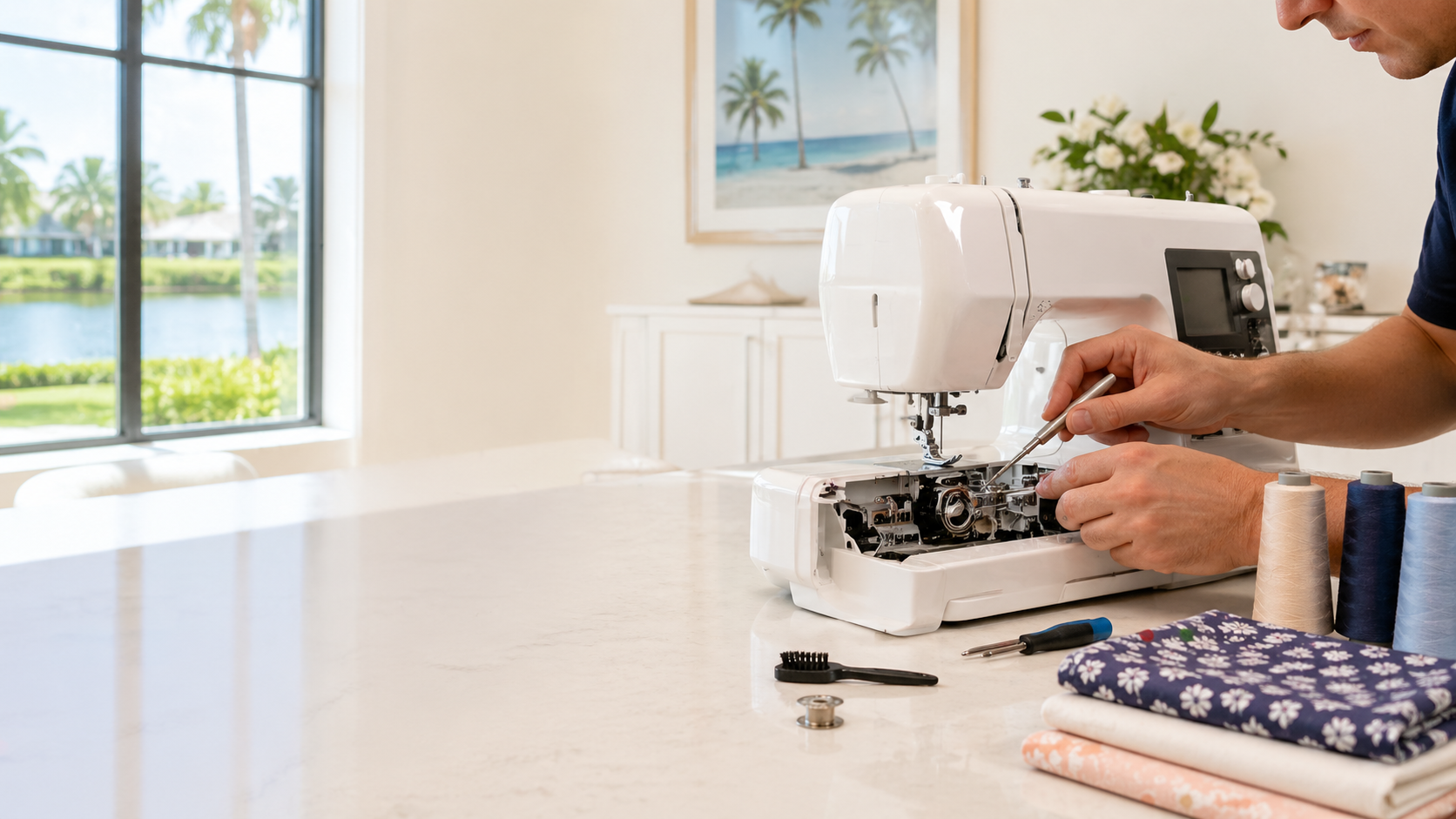
A 24-point sewing inspection is a comprehensive, multi-step service designed to restore your machine to peak performance. Unlike basic at-home maintenance, this process goes far beyond wiping lint and adding oil. It involves a full mechanical, electrical, and performance evaluation, along with adjustments that require specialized tools and training.
Think of it like a luxury car service: you wouldn’t trust a high-end vehicle to a quick oil change alone, and the same logic applies to your sewing machine.
A professional tune-up ensures:
- Optimal stitch quality
- Smooth, quiet operation
- Extended machine lifespan
- Prevention of costly repairs
Why DIY Maintenance Isn’t Enough
Many sewists are diligent about cleaning their machines, and that’s great. However, even the most careful at-home maintenance has limits.
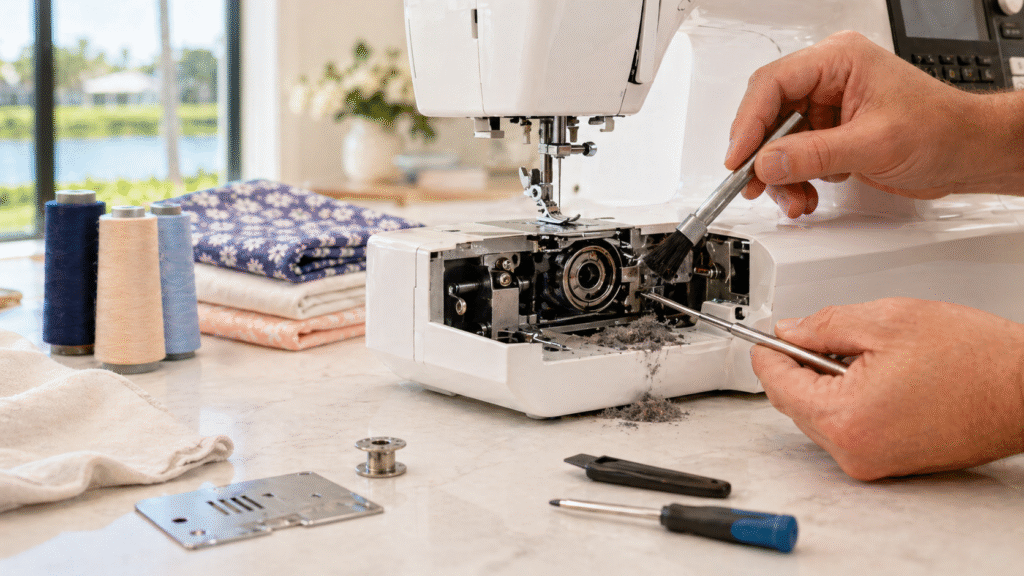
Here’s what DIY care typically can’t address:
Electrical inconsistencies
Internal timing issues
Gear wear and alignment
Motor strain or inefficiencies
Belt tension problems
Modern machines, especially computerized or embroidery models, are incredibly complex. Opening them without proper knowledge can actually cause damage or void warranties.
That’s why a professional sewing machine tune-up is not just helpful. It’s essential.
The 24-Point Checklist: What’s Included
While the exact checklist can vary slightly by service provider, a true 24-point sewing inspection covers all major systems of your machine. Here’s what Parkland sewists should expect:
1. External Inspection
Check for visible damage or wear
Inspect cords, plugs, and foot pedal condition
2. Full Disassembly
Open machine casing to access internal components
Remove accumulated lint and debris deep inside
3. Deep Cleaning
Remove lint buildup from the feed dogs, bobbin area, and tension discs
Clean old oil and residue that can gum up movement
4. Lubrication of Moving Parts
Apply manufacturer-approved oils to critical components
Ensure smooth motion and reduce friction
5. Timing Adjustment
Synchronize needle and hook timing
Prevent skipped stitches and thread breakage
6. Tension Calibration
Adjust upper and lower thread tension
Ensure balanced, professional-quality stitches
7. Feed Dog Alignment
Ensure proper fabric feeding
Prevent uneven stitching or fabric bunching
8. Needle Bar Adjustment
Align needle position for accuracy
Reduce needle breakage risk
9. Presser Foot Pressure Check
Adjust pressure settings for different fabric types
10. Bobbin System Inspection
Check bobbin case for wear or damage
Ensure smooth thread delivery
11. Hook Assembly Check
Inspect rotary or oscillating hook function
Clean and polish if necessary
12. Gear Inspection
Examine internal gears for wear or cracking
Replace damaged components if needed
13. Belt Inspection
Check motor and drive belts
Adjust tension or replace worn belts
14. Motor Performance Test
Evaluate motor efficiency and responsiveness
Identify overheating or power inconsistencies
15. Electrical System Check
Inspect wiring and internal connections
Ensure safe and consistent operation
16. Speed Control Calibration
Test foot pedal responsiveness
Adjust for smooth speed transitions
17. Stitch Pattern Testing
Run multiple stitch types
Verify consistency and accuracy
18. Buttonhole Function Test
Ensure proper sizing and formation
19. Embroidery Unit Check
Test alignment and stitch precision
Clean embroidery mechanisms
20. Software/Firmware Check
Ensure computerized machine systems are functioning correctly
Identify potential glitches
21. Noise and Vibration Assessment
Detect unusual sounds
Address underlying mechanical issues
22. Reassembly and Final Lubrication
Carefully reassemble all components
Apply final lubrication
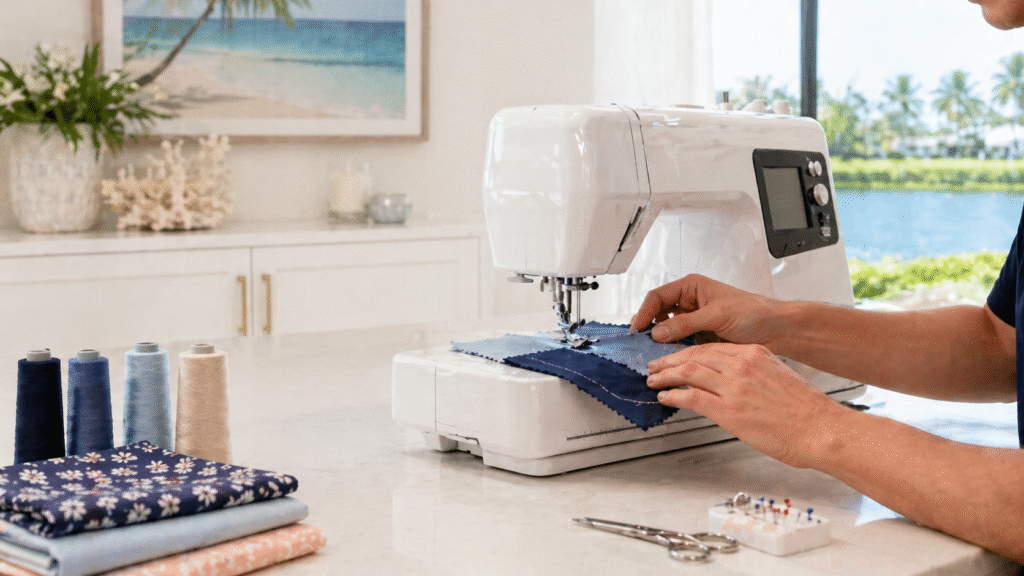
23. Final Stitch Test
Sew test samples on multiple fabrics
Confirm professional-grade results
24. Performance Report
Provide feedback on machine condition
Recommend future maintenance or repairs
Why Parkland Sewists Benefit Most
In a community like Parkland, many sewists own premium machines and expect high performance. Whether you’re working with brands like Bernina, Baby Lock, or Janome, these machines are built for precision, but they demand equally precise care.
- A professional Parkland sewing machine repair specialist understands:
- The value of high-end machines
- The importance of maintaining stitch integrity
- The need for preventative care, not just reactive fixes
- Regular tune-ups help you avoid:
- Costly part replacements
- Project delays
- Frustrating stitch inconsistencies
How Often Should You Schedule a Tune-Up?
The frequency depends on how often you sew:
Heavy use, including daily or business use: every 6 to 12 months
Moderate use, including weekly projects: once a year
Light use, including occasional sewing: every 1 to 2 years
If you notice any of the following, don’t wait:
- Skipped stitches
- Unusual noises
- Thread bunching
- Reduced power
These are signs your machine needs immediate attention.
The True Value of Professional Service
Some sewists hesitate at the cost of a professional sewing machine tune-up, but it’s important to look at the bigger picture.
A tune-up:
In reality, it’s one of the most cost-effective services you can schedule.
Extends machine lifespan by years
Improves stitch quality instantly
Prevents major repairs that can cost hundreds
Protects your investment
What to Look for in a Service Provider
Not all repair shops are equal. When choosing a technician for your 24-point sewing inspection, look for:
- Experience with high-end brands
- Transparent service checklists
- Clean, professional workspace
- Strong local reputation
- Willingness to explain findings
A true specialist will treat your machine like the precision instrument it is.
For Parkland sewists who want professional help maintaining their machines, Gator Vacuum & Sewing offers sewing machine repair and yearly tune-ups from experienced technicians at its Coral Springs location. Parkland homeowners can also learn more about Gator’s local Parkland central vacuum repair, sales, and service for whole-home cleaning support.
Final Thoughts: Precision Deserves Precision
Your sewing machine is the heart of your creative work. Whether you’re crafting custom garments, quilting masterpieces, or running a home-based business, performance matters, and that performance depends on proper care.
A 24-point sewing machine tune-up is not just maintenance. It’s a commitment to quality, longevity, and peace of mind.
For sewists in Parkland, where attention to detail and high standards are the norm, investing in regular professional service ensures your machine continues to perform exactly as it should: beautifully, reliably, and flawlessly.