
Central Vacuum vs. Upright Vacuum: What Works Best for Broward County Homes?
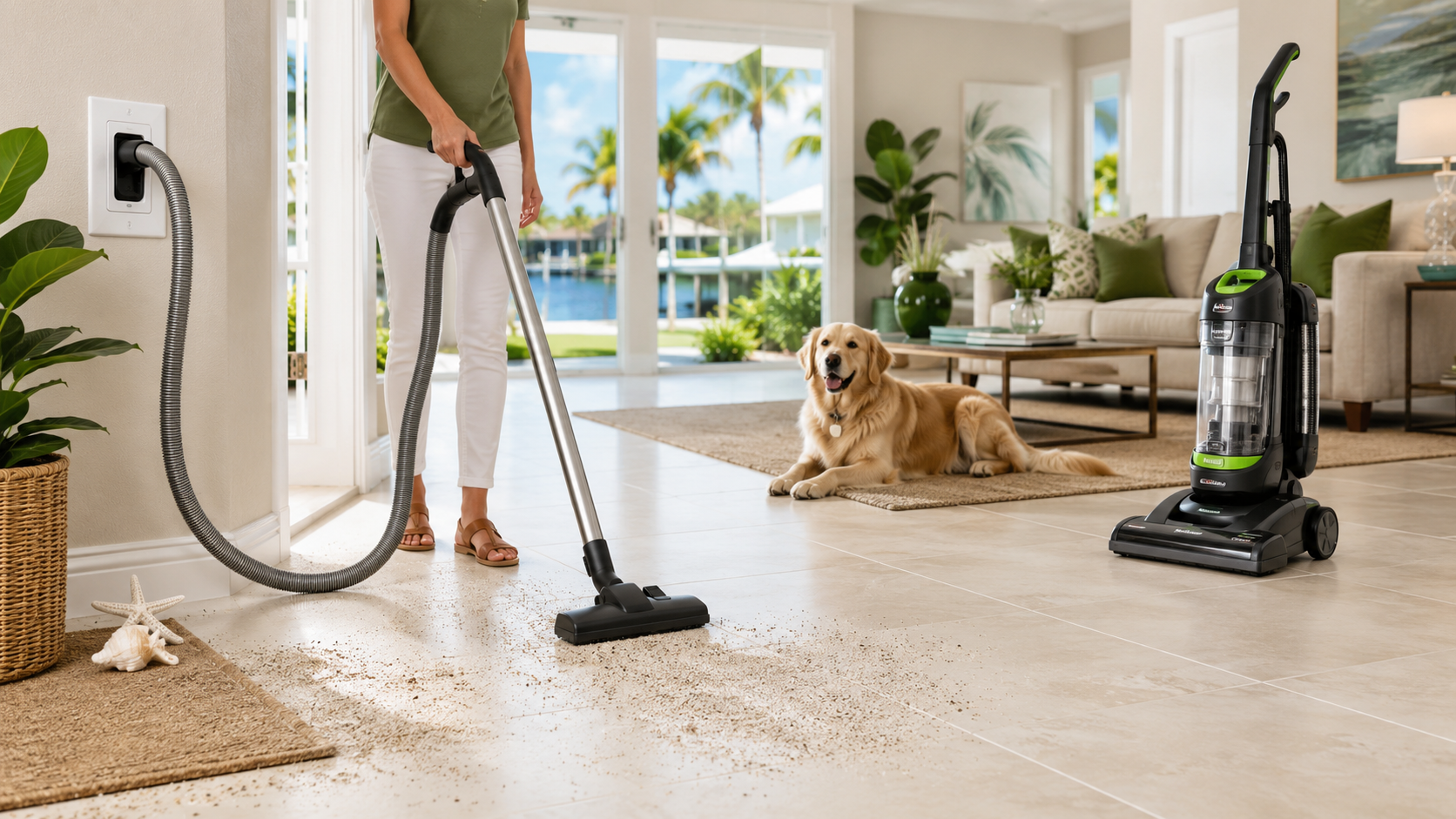
Choosing the right vacuum system for your home is more important than many homeowners realize. In Broward County, homes deal with unique cleaning challenges year-round, including tile floors covered in sand, pet hair trapped in area rugs, humidity-related dust buildup, and allergens like pollen that constantly make their way indoors.
For many homeowners in areas like Coral Springs, Parkland, Tamarac, Boca Raton, and Fort Lauderdale, the question often comes down to this: should you stick with a traditional upright vacuum, or invest in a central vacuum system?
The answer depends on your home size, cleaning habits, flooring, allergies, pets, and long-term goals. Both systems have advantages, but understanding the real differences can help you make the best decision for your family and budget.
For homeowners looking for local vacuum expertise, Gator Vacuum helps South Florida residents compare, repair, service, and upgrade vacuum systems for the way local homes are actually used.
Why Broward County Homes Have Different Cleaning Needs
South Florida homes experience cleaning conditions that homeowners in other parts of the country may not deal with as heavily. Sand, humidity, pollen, pet hair, and open floorplans can make vacuum performance more important than simply buying the cheapest option available.
- Fine sand tracked in from beaches, sidewalks, patios, and garages
- Tile and luxury vinyl floors that show dust easily
- Pet hair buildup from year-round shedding
- High humidity that contributes to dust accumulation
- Seasonal pollen and allergens
- Large open floorplans with more square footage to clean
- Multi-story homes with stairs and hard-to-reach spaces
Because of these factors, choosing the right vacuum setup can make everyday cleaning easier, healthier, and more efficient.
What Is a Central Vacuum System?
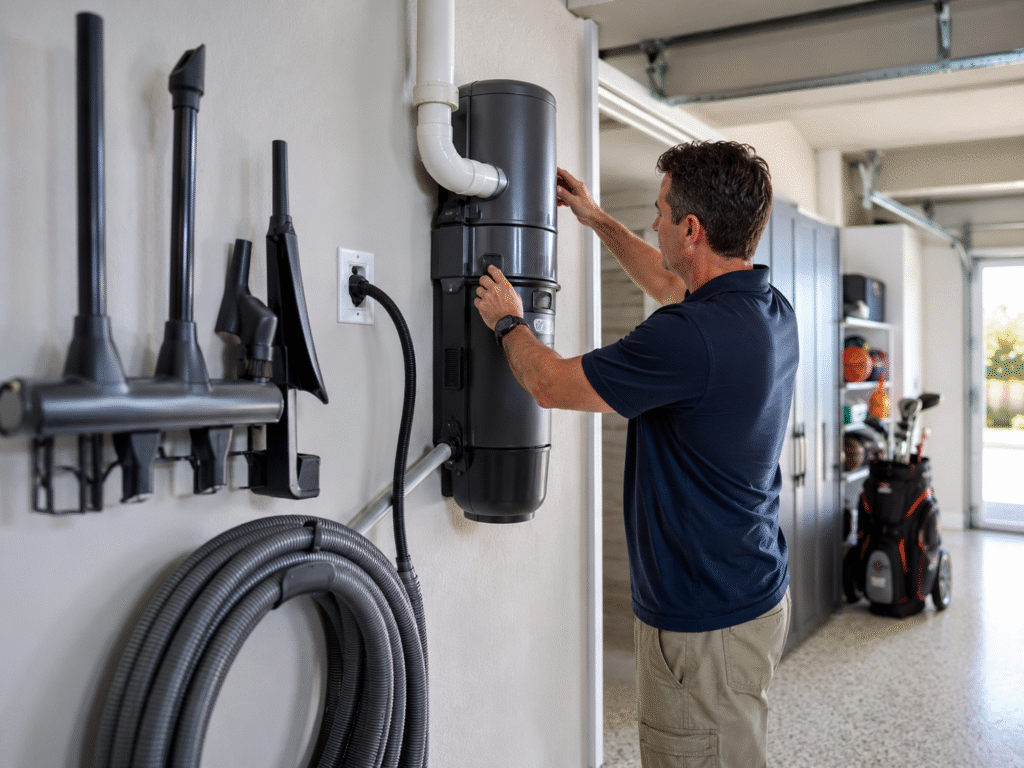
A central vacuum system is a built-in cleaning system installed inside the home. Instead of carrying a heavy vacuum around, homeowners plug a lightweight hose into wall inlets connected to tubing hidden inside the walls.
Dust and debris travel through the tubing into a large power unit, usually installed in the garage, utility room, or laundry area. Central vacuum systems are especially popular in larger Broward County homes because they offer powerful suction, quieter operation, and convenient whole-home cleaning.
What Is an Upright Vacuum?
An upright vacuum is the traditional portable vacuum most people are familiar with. The motor, filter, dirt container, brushroll, and handle are built into one movable unit.
Upright vacuums are widely used because they are affordable, easy to purchase, and simple to store in smaller homes. However, performance varies greatly depending on the brand, model, filtration system, and how often the vacuum is maintained.
Convenience: Which Vacuum Is Easier to Use?
Central Vacuum Advantages
For larger homes, central vacuum systems are often far more convenient. Instead of dragging a heavy machine from room to room, you only carry the hose, wand, and cleaning attachment.
- Easier cleaning on stairs
- Simpler movement through multi-story homes
- Less strain while cleaning around furniture
- Less physical effort compared to carrying a full upright vacuum
- Helpful for homeowners with back pain, mobility concerns, or large homes
Many newer systems also include retractable hose options that store inside the wall, making setup even faster and reducing the need for bulky storage.
Upright Vacuum Advantages
Upright vacuums are useful for quick grab-and-go cleaning. Smaller condos or apartments may benefit from a compact upright vacuum, especially if storage space is limited.
However, carrying the full vacuum around the house can become tiring, especially on stairs, in larger floorplans, or when cleaning multiple rooms in one session.
Suction Power and Deep Cleaning Performance
One of the biggest differences between central vacuum systems and upright vacuums is suction power. Central vacuum systems typically have larger motors and more airflow capacity because the power unit is permanently installed away from the living space.
Central Vacuums Typically Offer Stronger Suction
Because the motor is larger and permanently installed, central vacuum systems usually provide stronger suction, higher airflow, and better performance for whole-home cleaning.
- Better deep carpet cleaning
- More effective pet hair removal
- Stronger pickup for sand, grit, and fine dust
- Larger dirt canisters that help maintain performance longer
- Improved results for area rugs and high-traffic rooms
This can be especially helpful in Broward County homes with tile floors, large rugs, pets, and frequent outdoor-to-indoor foot traffic.
Upright Vacuums Can Lose Performance Faster
Portable upright vacuums can work well, but they often lose performance faster when dust bins fill, filters clog, belts wear down, or brushrolls become tangled with hair.
- Full dust bins can reduce suction
- Clogged filters can weaken airflow
- Brushrolls can tangle with pet hair
- Smaller motors may struggle with deep carpet or heavy debris
- Lower-cost models may scatter fine dust instead of capturing it
Indoor Air Quality and Allergies
Indoor air quality is a major concern in South Florida homes. Dust, pollen, pet dander, and humidity-related buildup can affect comfort, especially for families with allergies, asthma, or pets.
Central Vacuums Improve Indoor Air Quality
One of the biggest advantages of a central vacuum system is that dirt and allergens are moved away from the living space. Instead of recirculating microscopic dust particles back into the room, a central vacuum system sends debris to a remote collection container.
- Reduced dust circulation
- Less pet dander in the living space
- Lower pollen exposure indoors
- Fewer odors from collected debris
- Cleaner air while vacuuming
For families with allergies, asthma, or pets, this can make a noticeable difference in everyday comfort.
Upright Vacuums Can Recirculate Dust
Some high-quality upright vacuums include strong filtration, but many portable vacuums can still leak fine particles back into the air, especially when filters are dirty, seals weaken, or bags are not installed properly.
HEPA upright vacuums can perform well, but budget models may scatter dust while vacuuming, which can be frustrating in homes where allergies or air quality are a concern.
Pet Hair Cleanup
Pet owners in Broward County know how quickly fur can accumulate on tile floors, upholstery, area rugs, and carpeted rooms.
Central Vacuum Systems Excel With Pet Hair
Central vacuum systems are often better for pet-heavy homes because the stronger suction and larger airflow capacity can remove embedded hair more effectively.
- Stronger suction helps remove embedded fur
- Larger motors handle heavier debris loads
- Better airflow can reduce clogging
- Specialized powerheads improve carpet grooming
- Larger collection containers reduce frequent emptying
Many homeowners can also upgrade an existing central vacuum with newer powerheads, electric hose kits, or improved attachments instead of replacing the entire system.
Upright Vacuums Vary Widely
Some upright vacuums perform well with pets, while others constantly clog, overheat, or wrap hair around the brushroll.
- Tangled brushrolls
- Frequent dust bin emptying
- Reduced suction
- Burnt belts
- Overheating during heavy use
Noise Levels
Central Vacuums Are Much Quieter Indoors
Since the motor is located away from the living area, central vacuum systems operate much more quietly inside the home. This is especially appreciated in homes with children, pets, remote workers, or multiple people sharing the same space during the day.
Upright Vacuums Are Louder
Traditional upright vacuums place the motor directly next to the user, which creates more noise during cleaning. For households with noise-sensitive pets or family members working from home, this can become a real downside.
Storage and Appearance
Central Vacuum Systems Save Space
Because the motor is hidden away in a garage, utility room, or laundry area, homeowners only need to store the hose, wand, and attachments. This can reduce closet clutter and keep the home looking cleaner.
In upscale Broward County homes where storage and appearance matter, this is a valuable benefit.
Upright Vacuums Take Up More Room
Portable vacuums require storage for the full machine, attachments, replacement filters or bags, and sometimes charging docks for cordless models. This can become inconvenient in smaller closets or laundry rooms.
Maintenance and Repairs
Central Vacuum Systems Often Last Longer
A properly maintained central vacuum system can last 15 to 25 years or longer. Many common issues are repairable, including motors, circuit boards, hoses, inlets, and powerheads.
Because the system is built into the home, repairs are often more cost-effective than replacing the entire unit. Routine maintenance may include emptying the canister, replacing bags or filters, cleaning attachments, and inspecting hoses.
For local service, homeowners can learn more about central vacuum repair in Broward County through Gator Vacuum’s service-area information.
Upright Vacuums Usually Have Shorter Lifespans
Many consumer upright vacuums last around 5 to 8 years on average, while cheaper models may fail sooner in homes with pets, sand, or heavy use.
- Broken brushrolls
- Weak batteries
- Belt failures
- Cracked hoses
- Motor burnout
In many cases, replacing an upright vacuum becomes more practical than repairing it, especially when the machine is lower-cost or parts are difficult to source.
Upfront Cost vs. Long-Term Value
Upright Vacuums Cost Less Initially
A traditional upright vacuum is usually cheaper upfront. This makes upright vacuums attractive for apartments, temporary living situations, smaller homes, and budget-conscious buyers.
Central Vacuums Offer Better Long-Term Value
Although installation costs are higher, central vacuum systems often provide a longer lifespan, better durability, stronger whole-home cleaning performance, and a lower replacement frequency over time.
For larger Broward County homes, many homeowners find the investment worthwhile, especially when the system improves convenience, indoor air quality, and daily cleaning performance.
Which Vacuum Is Best for Tile Floors?
Tile flooring is common throughout South Florida. The right vacuum system should remove sand, dust, pet hair, and debris without scattering particles across the floor.
Central Vacuums Perform Extremely Well on Tile
With the right attachments, central vacuums are excellent for tile floors. Strong airflow helps capture debris instead of pushing it around, while hard-floor attachments can clean delicate surfaces without scratching.
- Removes fine dust effectively
- Picks up sand without scattering it
- Helps clean grout lines more efficiently
- Works well for large tile areas and open floorplans
- Can be paired with specialized hard-floor tools
Upright Vacuums Can Scatter Debris
Some upright vacuums struggle on hard floors because the brushroll may push sand, blow dust outward, or scratch delicate surfaces. Hard-floor-specific models perform better, but quality matters greatly.
When an Upright Vacuum Makes Sense
An upright vacuum may still be the best option if you live in a small condo or apartment, move frequently, need a lower upfront cost, or only vacuum occasionally.
- You live in a small condo or apartment
- You need a lower upfront cost
- You move frequently
- You only vacuum occasionally
- You want a portable secondary vacuum
For smaller spaces, a quality upright vacuum can work perfectly well, especially when the home does not have pets, heavy carpet, or large amounts of sand and dust.
When a Central Vacuum System Makes Sense
A central vacuum system is often the better investment for larger homes, pet-heavy households, allergy-sensitive families, and homeowners who want stronger suction with less noise.
- You own a larger home
- You have pets
- Family members have allergies
- You vacuum frequently
- You want quieter operation
- You want stronger suction
- You want long-term durability
- You already have an existing central vacuum system
In many cases, repairing or upgrading an older central vacuum is far more affordable than homeowners expect.
Should You Repair or Replace Your Existing Central Vacuum?
Many Broward County homeowners assume an older central vacuum system must be replaced entirely when performance drops. Often, the issue is much simpler.
- A worn hose
- A clogged line
- An aging motor
- Old accessories
- A failing powerhead
- A dirty filter or full canister
Upgrading accessories or repairing the existing unit can dramatically improve cleaning performance at a fraction of the cost of a new installation.
A professional inspection can help determine whether a repair makes sense, whether an accessory upgrade would help, or whether a full replacement is truly necessary. You can also learn more about the company’s local experience on the Gator Vacuum About Us page.
Central Vacuum vs. Upright Vacuum: Quick Comparison
| Category | Central Vacuum | Upright Vacuum |
| Suction Power | Usually stronger | Varies by model |
| Indoor Air Quality | Better debris removal from living space | May recirculate fine dust |
| Pet Hair | Excellent with the right powerhead | Can clog or tangle |
| Noise | Quieter indoors | Louder near the user |
| Storage | Stores hose and attachments only | Requires space for full machine |
| Best For | Larger homes, pets, allergies, frequent cleaning | Smaller homes, condos, lower upfront budgets |
FAQ: Central Vacuum vs. Upright Vacuum
Is a central vacuum better than an upright vacuum?
For many larger homes, yes. Central vacuum systems usually offer stronger suction, quieter operation, better indoor air quality, and easier whole-home cleaning. However, an upright vacuum may still be practical for smaller homes, condos, or occasional use.
Are central vacuums good for tile floors?
Yes. Central vacuums work very well on tile floors when paired with the right hard-floor attachments. They can remove sand, dust, and pet hair without scattering debris across the floor.
Can an old central vacuum be repaired?
In many cases, yes. Weak suction or poor performance may be caused by a clogged hose, worn motor, aging powerhead, blocked line, or old accessories. A repair or accessory upgrade may restore performance without replacing the entire system.
Which vacuum is better for pet hair?
Central vacuum systems are often better for pet hair because they provide stronger suction, larger debris capacity, and better airflow. The right powerhead or attachment can also make a major difference on rugs, carpets, upholstery, and tile floors.
Final Thoughts
Both upright vacuums and central vacuum systems can clean effectively, but they serve different needs. For many Broward County homeowners, central vacuum systems offer stronger suction, improved air quality, easier whole-home cleaning, better pet hair removal, longer lifespan, and greater convenience.
Meanwhile, upright vacuums remain a practical option for smaller homes, lower budgets, and lighter cleaning needs.
If your current vacuum system struggles with pet hair, sand, dust, or allergies, it may be time to explore repair options, accessory upgrades, or a more powerful cleaning solution designed for the demands of South Florida living.