When it comes to keeping your home clean, not all vacuums are created equal. While upright and cordless vacuums are convenient, nothing beats the cleaning power, convenience, and long-term value of a central vacuum system. These built-in solutions have been gaining popularity for decades, and in 2025, they remain one of the top upgrades for modern homes.
At Gator Vacuum & Sewing, we’ve worked with thousands of homeowners across South Florida to install, service, and repair central vacuum systems. Based on our years of experience, we’ve created this comprehensive buyer’s guide to help you choose the best central vacuum brand for your home in 2025.
We’ll review the top brands-Drainvac, NuTone, and Beam-and break down key factors like upright vs central vacuums, cordless vac alternatives, and pet hair vacuum performance.
Why Choose a Central Vacuum Over Upright or Cordless Models?
Before reviewing brands, let’s settle one of the most common questions: Why central vacuums instead of traditional upright or cordless vacs?
Upright vs Central Vacuums
- Upright vacuums are portable and affordable but wear out quickly (average lifespan: 3–5 years).
- They tend to lose suction over time and often recirculate dust into the air.
- Central vacuums, on the other hand, are built into the home, offering 3–5x more suction power and a lifespan of 20+ years with proper maintenance.
Cordless Vacuums vs Central Vacuums
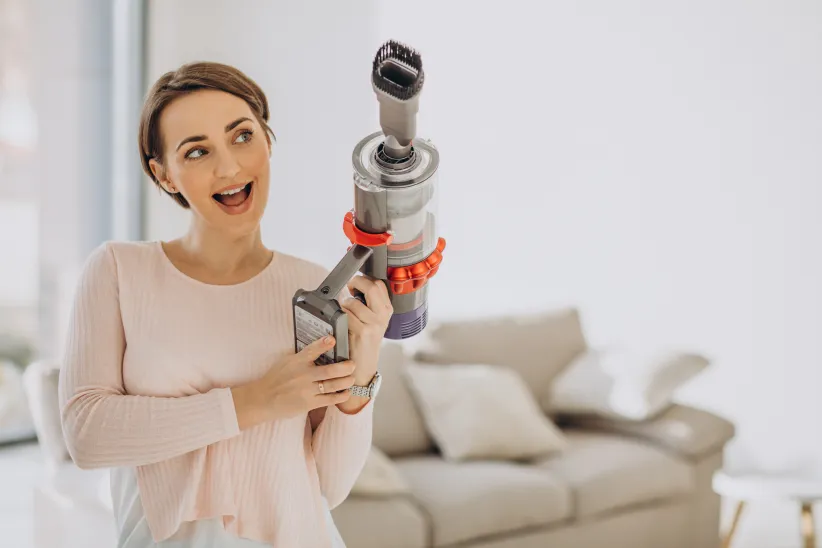
Cordless vacuums are popular because of their lightweight design, but they aren’t built for whole-home cleaning.
- Batteries typically run for 20-45 minutes.
- Dust containers are small and need constant emptying.
- Suction power is significantly weaker.
Central vacuums are the clear winner for homeowners who want power, longevity, and cleaner air quality.
The Best Central Vacuum Brands of 2025
Now let’s dive into the top central vacuum brands that continue to set the standard in 2025:
1. Drainvac – Power & Innovation
If you’re looking for maximum performance, Drainvac is one of the most advanced options available. Known for their automatic drain technology, some models connect directly to your plumbing system, eliminating the need to manually empty the dirt canister.
Highlights:
- Exceptional suction power (great for large homes).
- Perfect for pet hair vacuums-handles fur and dander with ease.
- Allergy-friendly models with superior filtration.
- Long-lasting and low maintenance.
Best for: Large homes, pet owners, and families who want a premium, hassle-free system.
2. NuTone – Affordable Reliability
NuTone has long been a trusted brand in the central vacuum industry. Their systems are budget-friendly while still offering solid performance, making them an excellent choice for homeowners upgrading to central vacuums for the first time.
Highlights:
- Lower upfront cost compared to premium brands.
- Good range of models to fit different home sizes.
- Easy integration into existing homes.
- Trusted reputation in the home improvement market.
Best for: Homeowners who want a reliable system at a reasonable price point.
3. Beam – Quiet & Family-Friendly
Beam is another household favorite, widely known for its whisper-quiet operation and high-efficiency filtration. These systems are especially popular in homes where allergies are a concern.
Highlights:
- Quiet performance-great for families and pets.
- Powerful suction with HEPA filtration for cleaner air.
- Durable construction and long product lifespan.
- Accessories designed for versatility (stairs, hardwood, cars, etc.).
Best for: Families, allergy sufferers, and anyone who values quiet performance.
Central Vacuums vs Pet Hair Vacuums
Pet owners know the struggle: fur in the carpets, on the couch, and floating through the air. While many companies market “pet hair vacuums,” portable models rarely deliver the deep-cleaning power needed for households with multiple pets.
Central vacuums-especially Drainvac and Beam-excel in this area because:
- They offer stronger suction for stubborn fur.
- They come with specialized pet hair attachments.
- They vent fine particles outside the living space, reducing odors and dander.
If you’re tired of battling pet hair daily, investing in a central vacuum can be a game-changer.
Comparison Chart: Drainvac vs NuTone vs Beam
| Brand | Drainvac | NuTone | Beam |
| Suction Power | Excellent | Good | Very Good |
| Noise Level | Very Quiet | Moderate | Quiet |
| Filtration/Allergy Relief | Excellent | Good | Excellent |
| Pet Hair Performance | Excellent | Fair | Very Good |
| Ease of Maintenance | High | Easy | Easy |
| Lifespan | 20+ years | 15+ years | 20+ years |
| Price Range | (Premium) | (Affordable) | (Mid-to-High) |
Buyer’s Checklist: How to Choose the Right Central Vacuum
Before purchasing, here are key factors to consider:
- Home Size – Larger homes require more powerful systems like Drainvac. Smaller homes may do well with Beam or NuTone.
- Noise Sensitivity – If you prefer a quiet home, Beam is one of the best options.
- Pets & Allergies – Drainvac and Beam offer superior filtration and power for handling fur and allergens.
- Budget – NuTone provides affordable reliability without compromising performance.
- Maintenance Preferences – Want less upkeep? Drainvac’s auto-drain systems minimize hands-on maintenance.
FAQs About Central Vacuum Systems
Q: How long do central vacuums last?
With proper care, most systems last 20 years or more-far longer than portable vacuums.
Q: Can I install one in an existing home?
Yes! At Gator Vacuum, we specialize in retrofitting older homes with central vacuum systems.
Q: Do central vacuums increase home value?
Absolutely. Like smart home upgrades or luxury finishes, central vacuums are a premium feature that helps your home stand out.
Q: How often do I need to empty the canister?
Usually 2–4 times a year. Drainvac’s auto-drain models handle this automatically.
Q: Are they good for pet owners?
Yes. Central vacuums are among the best pet hair vacuums thanks to their strong suction and outdoor venting.
Final Thoughts: Choose a Top Brand for 2025
Central vacuums are more than cleaning tools-they’re lifestyle upgrades. Compared to upright and cordless vacuums, they deliver stronger suction, cleaner air, longer lifespan, and even a boost in property value.
For 2025, the top central vacuum brands we recommend are:
- Drainvac – Best for innovation, power, and pet owners.
- NuTone – Best for affordability and first-time central vacuum buyers.
- Beam – Best for families, quiet performance, and allergy relief.
At Gator Vacuum & Sewing, we proudly carry, install, and service all major central vacuum brands. Whether you’re upgrading your current system or installing a new one, our experts are here to help you choose the right solution for your home.
Ready to discover the difference a central vacuum can make? Contact Gator Vacuum & Sewing today for expert advice and installation services.