

Broward: 954-341-4323
Palm Beach: 561-558-0770

MEGA SHOWROOM:
9853 W. Sample Rd,
Coral Springs, FL 33065
HOURS: M-F: 9am-6pm SAT: 10am-4pm

Tag: Coconut Creek FL

  • From Vintage Singers to Modern Marvels: Expert Care in Coconut Creek

    From Vintage Singers to Modern Marvels: Expert Care in Coconut Creek

    From Vintage Singers to Modern Marvels: Expert Care in Coconut Creek

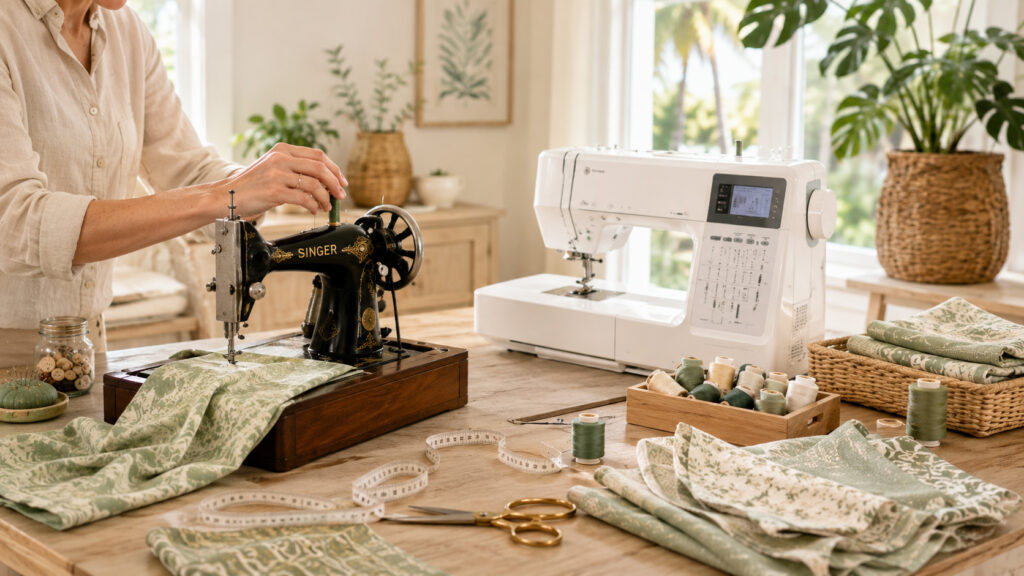
    Sewing machines have come a long way over the decades. From the solid, all-metal workhorses of the mid-20th century to today’s feature-rich computerized models, each generation of machines brings its own strengths—and its own maintenance needs.

    In a community like Coconut Creek, where long-time residents, hobbyists, and passionate sewists all coexist, it’s not uncommon to find both ends of that spectrum in use. One home may have a beautifully preserved vintage machine passed down through generations, while another relies on a modern embroidery system capable of thousands of stitches per minute.

    What connects them? They all require expert care—and not just any care, but service from professionals who truly understand the evolution of sewing technology.

    With over 65 years of combined expertise behind the scenes, experienced technicians have seen it all. And that depth of knowledge is exactly what makes the difference when it comes to maintaining everything from vintage Singer repair to advanced computerized sewing machine service.

    The Legacy of Vintage Sewing Machines

    There’s a reason so many sewists still treasure older machines. Brands like Singer built models in the 1940s, 50s, and 60s that were designed to last a lifetime—and many of them have.

    Why Vintage Machines Still Matter

    Vintage machines are known for:

    • All-metal construction
    • Powerful motors
    • Straight-stitch precision
    • Durability that modern plastic components can’t always match

    In Coconut Creek, many residents still use machines inherited from parents or grandparents. These machines often carry sentimental value alongside their practical use.

    But age brings challenges.

    Common Issues with Vintage Machines

    • Dried or hardened lubrication
    • Worn gear or belts
    • Electrical wiring deterioration
    • Timing misalignment

    This is where true expertise comes in. Vintage Singer repair requires a deep understanding of mechanical systems—skills that can’t be replaced by modern diagnostics alone.

    The Rise of Computerized Sewing Machines

    On the other end of the spectrum, today’s sewing machines are technological marvels. With digital controls, touchscreen interfaces, and programmable stitch patterns, they offer capabilities that were unimaginable decades ago.

    Features of Modern Machines

    • Hundreds of built-in stitches
    • Automatic tension adjustment
    • Embroidery capabilities
    • USB connectivity and software integration

    For hobbyists and advanced sewists in Coconut Creek, these machines open up a world of creative possibilities.

    But they also introduce new complexities.

    Common Issues with Computerized Machines

    • Software glitches
    • Sensor malfunctions
    • Motor calibration issues
    • Electrical board failures

    Unlike vintage machines, these require specialized tools and training. Proper computerized sewing machine service isn’t just mechanical—it’s technical.

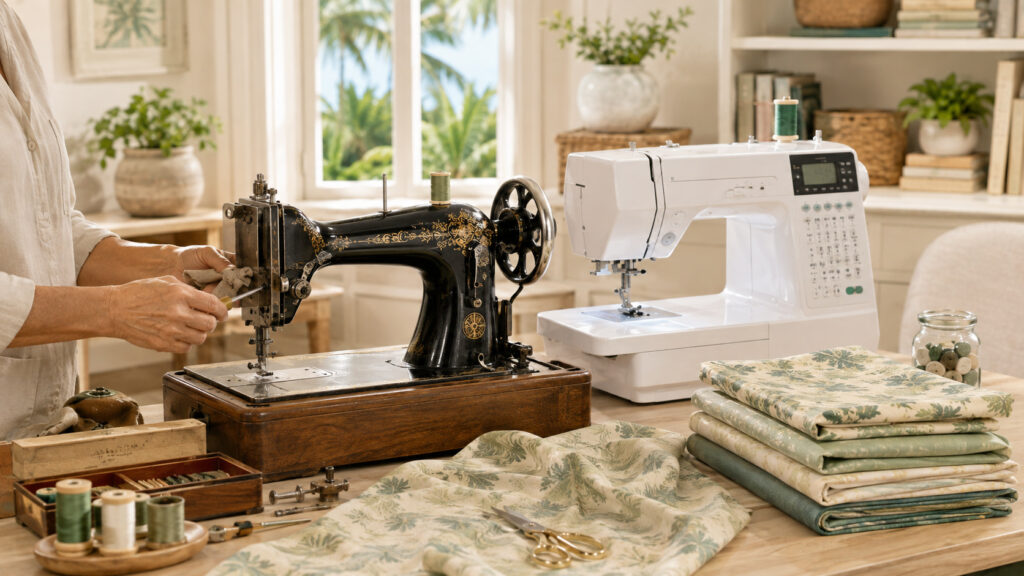
    Technician servicing a vintage sewing machine beside a modern computerized model
    Experienced technicians understand the different maintenance needs of vintage and computerized sewing machines.

    Why Experience Matters More Than Ever

    Servicing a 50-year-old mechanical machine and a modern computerized unit are two completely different disciplines. Yet in Coconut Creek, many sewists own both.

    That’s why experience isn’t just valuable—it’s essential.

    Technicians with decades of hands-on knowledge understand:

    • How older machines were engineered
    • How materials and components have evolved
    • How to diagnose problems across generations of technology

    With over 65 years of combined experience, seasoned professionals can transition seamlessly between restoring a vintage machine and troubleshooting a modern one.

    The Importance of Proper Diagnosis

    One of the biggest risks in sewing machine repair is misdiagnosis. A problem that appears simple—like skipped stitches—can have very different causes depending on the machine.

    For example:

    • On a vintage machine, it may be timing or needle alignment
    • On a computerized machine, it could involve sensors or calibration

    True Coconut Creek sewing experts know how to identify the root cause quickly and accurately, saving both time and money.

    Preserving the Past While Supporting the Future

    In a place like Coconut Creek, sewing isn’t just about function—it’s about tradition and creativity.

    For Vintage Machine Owners

    Professional service helps:

    • Restore performance
    • Extend lifespan
    • Preserve sentimental value

    A properly maintained vintage machine can continue sewing beautifully for decades to come.

    For Modern Machine Users

    Expert care ensures:

    • Consistent stitch quality
    • Reliable software performance
    • Protection of a significant financial investment

    Both types of machines deserve attention tailored to their design.

    What Sets True Experts Apart

    Not every repair shop has the capability to service both vintage and modern machines effectively. The difference lies in depth of knowledge and hands-on experience.

    When choosing a service provider in Coconut Creek, look for:

    • Proven experience across multiple machine generations
    • Ability to perform both mechanical and computerized diagnostics
    • Access to quality replacement parts
    • A thorough inspection and tune-up process

    A true expert doesn’t just fix the problem—they optimize the entire machine.

    The Value of Preventative Maintenance

    Whether your machine is 5 years old or 50, regular maintenance is key to avoiding major repairs.

    Benefits of Routine Service

    • Improved stitch quality
    • Reduced wear on components
    • Early detection of potential issues
    • Longer machine lifespan

    For vintage machines, this may mean cleaning and lubrication. For modern machines, it can include software checks and calibration.

    Either way, preventative care is always more cost-effective than reactive repairs.

    A Community That Values Craftsmanship

    Coconut Creek is home to a diverse community of sewists—retirees who have been sewing for decades, hobbyists exploring new techniques, and creators pushing the boundaries of modern embroidery.

    What they all share is a commitment to quality.

    And that commitment extends to the care of their machines.

    By trusting experienced professionals for vintage Singer repair and computerized sewing machine service, local sewists ensure their tools perform at the highest level—no matter their age or complexity.

    Final Thoughts: One Standard of Care for Every Machine

    From the timeless reliability of vintage machines to the cutting-edge capabilities of modern models, sewing technology continues to evolve. But one thing remains constant: the need for expert care.

    In Coconut Creek, sewists don’t have to choose between old and new—they can have both, supported by professionals who understand each inside and out.

    With decades of experience guiding every repair and tune-up, your machine—whether it’s a family heirloom or a modern masterpiece—gets the attention it deserves.

    Because in the end, great sewing starts with a machine you can trust.

  • Central Vacuum Maintenance Tips for Coconut Creek Homeowners

    Central Vacuum Maintenance Tips for Coconut Creek Homeowners

    Central Vacuum Maintenance Tips for Coconut Creek Homeowners

    A central vacuum system is one of the most convenient cleaning upgrades a homeowner can have. It offers powerful suction, quieter operation, improved indoor air quality, and less hassle compared to dragging a portable vacuum from room to room. But like any home system, regular maintenance is essential to keep it operating efficiently year after year.

    Many Coconut Creek homeowners rarely think about their central vacuum until something goes wrong. By the time weak suction, strange noises, or overheating appear, the system may already be dealing with unnecessary wear and tear. Fortunately, a little preventative maintenance can go a long way toward avoiding expensive repairs and extending the life of your central vacuum system.

    At Gator Vacuum & Sewing Co., we help South Florida homeowners keep their systems running properly with professional central vacuum maintenance, repairs, and replacement parts. Here are some of the most important central vacuum maintenance tips every Coconut Creek homeowner should follow.

    Why Central Vacuum Maintenance Matters

    Unlike portable vacuums that are constantly visible, central vacuum systems are mostly hidden behind walls, inside garages, utility rooms, or closets. Because they operate out of sight, homeowners often forget they still require routine care.

    A neglected system can develop:

    • Weak suction
    • Overheating motors
    • Dust buildup
    • Clogged tubing
    • Reduced airflow
    • Poor cleaning performance
    • Shortened motor lifespan

    Routine maintenance helps prevent these problems while improving the overall efficiency of your home cleaning system.

    Empty the Dirt Canister Regularly

    One of the easiest but most important maintenance tasks is emptying the collection canister before it becomes overly full.

    When debris accumulates too high inside the canister:

    • Airflow becomes restricted
    • Suction power decreases
    • Dust odors may develop
    • Motors work harder than necessary

    For most Coconut Creek homeowners, checking the canister every few months is a good habit. Homes with pets, children, or heavy carpet use may require more frequent emptying.

    A simple schedule can prevent unnecessary strain on the system and help maintain strong suction throughout the home.

    Clean or Replace Central Vacuum Filters

    Filters play a major role in both airflow and indoor air quality. Over time, dust and debris clog the filter material, making the motor work harder to pull air through the system.

    Depending on your central vacuum model, your system may use:

    • Washable filters
    • Disposable filters
    • Self-cleaning filtration systems
    • HEPA-style filtration

    Dirty filters can lead to:

    • Reduced suction
    • Motor overheating
    • Dust escaping into the air
    • Burning smells
    • Increased wear on internal components

    Many homeowners forget about filters entirely because they are hidden inside the power unit. Checking and cleaning them at least once or twice a year can make a noticeable difference in system performance.

    Inspect Vacuum Hoses for Damage

    Your hose handles constant movement, bending, and pulling during everyday use. Even small cracks or leaks can reduce suction dramatically.

    During routine maintenance, inspect the hose for:

    • Splits or tears
    • Loose handle connections
    • Air leaks
    • Crushed sections
    • Electrical connection problems

    If you hear hissing noises or notice weak suction only when using a particular hose, the hose itself may be the problem.

    Replacing a damaged hose early is far less expensive than allowing the system to overwork itself compensating for lost airflow.

    Check Wall Inlets Throughout the Home

    Wall inlet valves are another overlooked component of central vacuum systems. Over time, inlet doors can loosen, seals can wear out, or debris can collect inside the opening.

    A yearly inspection should include:

    • Testing suction at each inlet
    • Checking for loose mounting plates
    • Inspecting inlet doors for proper sealing
    • Cleaning visible debris around the opening

    If one inlet has noticeably weaker suction than the others, it may indicate a blockage or leak within that section of tubing.

    For larger homes in Coconut Creek, catching these issues early can help avoid more complicated repairs later.

    Listen for Changes in Motor Sound

    Your central vacuum motor usually develops a familiar operating sound over time. If the motor suddenly sounds louder, rougher, or inconsistent, it may be warning you about a developing issue.

    Pay attention to:

    • Grinding noises
    • High-pitched whining
    • Rattling sounds
    • Excessive vibration
    • Intermittent operation

    Motor changes often indicate:

    • Worn bearings
    • Internal debris buildup
    • Cooling issues
    • Electrical problems
    • Aging motor components

    Ignoring unusual sounds can eventually lead to total motor failure. Professional inspection can often identify problems before the motor completely burns out.

    Homeowner checking a central vacuum filter and hose in a bright laundry room
    Checking filters, hoses, and canisters regularly can help prevent weak suction and unnecessary central vacuum repairs.

    Test Suction Throughout the House

    One of the best ways to monitor your system’s health is by testing suction at multiple inlets periodically.

    Walk through the house and check:

    • Suction consistency
    • Airflow strength
    • Hose responsiveness
    • Carpet cleaning performance

    Weak suction in one area may indicate:

    • A clogged line
    • Cracked tubing
    • An inlet leak
    • A blockage behind the wall

    If the entire system feels weaker than normal, the issue may involve the filter, canister, hose, or motor itself.

    Routine testing helps homeowners spot problems before they become major repairs.

    Watch for Clogs Before They Become Serious

    Central vacuum systems can accidentally collect items that should never enter the tubing system, including:

    • Small toys
    • Socks
    • Large paper products
    • Excessive pet hair
    • Construction debris

    Partial clogs often develop gradually, reducing airflow little by little until cleaning performance becomes noticeably weaker.

    Warning signs include:

    • Reduced suction
    • Strange airflow sounds
    • Debris backing up
    • System overheating

    Professional clog removal tools can safely clear blockages without damaging hidden tubing inside your walls.

    South Florida Homes Need Extra Attention

    Coconut Creek homeowners often deal with factors that increase central vacuum maintenance needs, including:

    • High humidity
    • Sand and fine dust
    • Pet hair
    • Heavy year-round cleaning demands
    • Tile flooring with grout dust
    • Seasonal allergens

    These conditions can place additional stress on filters and motors, making routine maintenance even more important in South Florida homes.

    Seasonal Central Vacuum Maintenance Checklist

    Here’s a simple yearly checklist homeowners can follow to keep their central vacuum system running efficiently:

    Every 3-6 Months

    • Empty dirt canister
    • Inspect hose for cracks
    • Check suction performance
    • Clean visible debris from wall inlets

    Every 6-12 Months

    • Clean or replace filters
    • Inspect motor sound
    • Test every wall inlet
    • Check powerhead and attachments
    • Inspect for air leaks

    As Needed

    • Remove clogs
    • Replace damaged hoses
    • Repair inlet valves
    • Schedule professional diagnostics

    Following a simple maintenance routine can help avoid costly repairs and improve the lifespan of the entire system.

    Professional Central Vacuum Maintenance Near Coconut Creek

    While homeowners can handle basic maintenance tasks, professional inspections help identify hidden problems before they turn into expensive failures. Gator Vacuum & Sewing Co. helps Coconut Creek homeowners maintain, troubleshoot, and repair built-in vacuums in Coconut Creek from many major brands.

    Professional maintenance can include:

    • Full airflow testing
    • Motor inspection
    • Filter replacement
    • Clog detection
    • Hose diagnostics
    • Inlet repair
    • Suction performance testing
    • System troubleshooting

    Regular service helps protect your investment while keeping your home cleaner and your system operating at peak performance.

    Keep Your Central Vacuum Running Strong

    A central vacuum system is designed to last for many years, but only if it receives proper care along the way. Simple maintenance steps like emptying the canister, cleaning filters, checking hoses, and monitoring suction can prevent many common problems before they start.

    For Coconut Creek homeowners, staying proactive with central vacuum maintenance can improve cleaning performance, extend motor life, and reduce the likelihood of unexpected breakdowns.

    If your system has lost suction, developed unusual noises, or simply hasn’t been inspected in years, Gator Vacuum & Sewing Co. is here to help with professional central vacuum maintenance and repair services.

  • Sewing Machine Tune-Up Checklist for Tamarac and Coconut Creek Sewers

    Sewing Machine Tune-Up Checklist for Tamarac and Coconut Creek Sewers

    Whether you are a hobby sewer, quilter, embroidery enthusiast, or someone finally pulling a sewing machine out of the closet after months of sitting unused, regular maintenance plays a major role in keeping your machine sewing smoothly. Many common sewing problems start with simple issues like lint buildup, worn needles, dried lubrication, or tension imbalance.

    At Gator Vacuum and Sewing, customers from Tamarac, Coconut Creek, and surrounding South Florida communities often bring in sewing machines that simply need a professional tune-up to restore proper performance.

    If your machine has started making strange noises, skipping stitches, jamming, or struggling with basic fabrics, this sewing machine tune-up checklist can help you identify when it is time for maintenance or professional Coconut Creek sewing machine service.

    Why Regular Sewing Machine Maintenance Matters

    Sewing machines contain precision mechanical parts that operate at high speeds. Over time, dust, lint, thread fibers, dried oil, and general wear affect how efficiently the machine runs.

    Even machines that have not been used recently can develop issues from sitting too long. Lubricants dry out, belts age, and internal components stiffen over time.

    Routine tune-ups help:

    • Improve stitch quality
    • Reduce thread breakage
    • Prevent jamming
    • Extend machine lifespan
    • Protect internal components
    • Improve fabric feeding
    • Reduce motor strain
    • Catch small problems before major repairs develop

    For sewers in Tamarac and Coconut Creek, regular servicing is especially helpful because South Florida humidity and household dust can contribute to internal buildup over time.

    Sewing Machine Tune-Up Checklist

    Use this checklist to inspect your machine before starting your next sewing project.

    1. Check for Excessive Dust and Lint Buildup

    Lint accumulation is one of the most common causes of sewing machine problems.

    Check areas including:

    • Bobbin compartment
    • Feed dogs
    • Needle plate
    • Tension area
    • Thread pathways

    Heavy lint buildup can interfere with stitch formation and cause feeding problems.

    If your machine has not been cleaned in months or years, professional internal cleaning may be necessary.

    Warning Signs:

    • Machine feels sluggish
    • Increased noise
    • Fabric feeding poorly
    • Frequent jams
    • Visible lint around moving parts

    2. Inspect the Needle

    A worn or bent needle can create multiple sewing problems.

    Replace the needle if:

    • It has been used heavily
    • The tip looks dull
    • The machine skips stitches
    • Fabric snags during sewing
    • Thread breaks repeatedly

    Many sewing issues are solved simply by installing a fresh needle appropriate for the fabric being used.

    3. Listen for Strange Noises

    A properly functioning sewing machine should run relatively smoothly and consistently.

    Grinding, knocking, squeaking, or clicking noises may indicate:

    • Lack of lubrication
    • Timing problems
    • Internal debris
    • Motor strain
    • Loose components

    Unusual sounds should never be ignored because they often signal developing mechanical problems.

    At Gator Vacuum and Sewing, technicians inspect internal moving parts and lubrication systems during professional tune-ups.

    4. Test Stitch Quality

    Sew several test lines on scrap fabric before beginning important projects.

    Watch for:

    • Uneven stitches
    • Loose loops
    • Skipped stitches
    • Thread bunching
    • Puckered fabric
    • Inconsistent stitch length

    These issues often point to tension imbalance, timing problems, or worn components.

    5. Check Thread Tension

    Tension problems are one of the biggest frustrations for both beginner and experienced sewers.

    Signs of incorrect tension include:

    • Loops underneath fabric
    • Tight pulling stitches
    • Tangled thread
    • Uneven seam appearance
    • Frequent thread snapping

    Sometimes tension problems result from incorrect threading, but persistent tension issues may require professional adjustment and cleaning.

    6. Inspect the Bobbin Area

    The bobbin system is critical to stitch formation.

    Check for:

    • Thread buildup
    • Lint accumulation
    • Damaged bobbins
    • Improper bobbin winding
    • Scratched bobbin cases

    A dirty or damaged bobbin area can quickly lead to nesting thread and poor stitching.

    7. Evaluate Fabric Feeding

    Feed dogs move fabric beneath the needle at a consistent rate.

    Your machine may need servicing if:

    • Fabric stalls during sewing
    • Material bunches up
    • Stitch lengths vary
    • Thick fabrics become difficult to sew

    Feed dog cleaning and adjustment are common parts of a professional sewing machine tune-up.

    8. Check for Thread Breaking

    Frequent thread breakage is a strong indicator that something is wrong.

    Possible causes include:

    • Incorrect tension
    • Burrs along the thread path
    • Timing problems
    • Dull needles
    • Poor-quality thread
    • Internal buildup

    If thread continues breaking after changing needles and rethreading the machine, professional inspection may be necessary.

    9. Examine Power and Speed Consistency

    Pay attention to how the machine responds while sewing.

    Warning signs include:

    • Slow startup
    • Inconsistent speed
    • Hesitation while sewing
    • Motor overheating
    • Burning smells

    These symptoms may indicate motor, pedal, or belt issues that should be professionally inspected.

    10. Confirm Proper Lubrication

    Older sewing machines especially require proper lubrication to prevent wear and stiffness.

    If your machine:

    • Feels tight while turning
    • Sounds dry
    • Has been stored for years
    • Runs loudly

    It may need lubrication and cleaning.

    Using improper household oils can damage internal components, which is why professional servicing is often recommended.

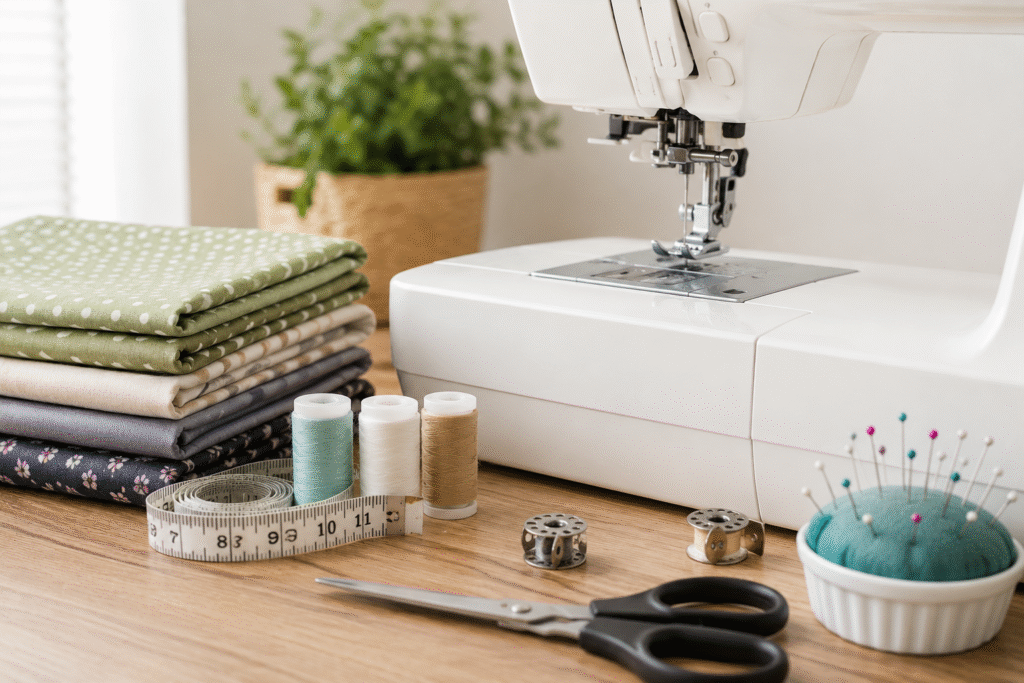
    Close-up of a sewing machine with fabric, thread, scissors, bobbins, measuring tape, and sewing maintenance supplies
    Regular cleaning, fresh needles, and proper maintenance help keep sewing machines running smoothly.

    Signs Your Sewing Machine Needs Professional Service

    While basic maintenance helps, some issues require experienced repair technicians.

    You should consider professional sewing machine service if:

    • The machine jams frequently
    • Timing appears off
    • Stitches remain uneven after troubleshooting
    • Tension problems continue
    • Internal cleaning has not been done in years
    • The machine smells hot during operation
    • The machine has been dropped or transported recently
    • Needle strikes occur repeatedly
    • Sewing quality continues to decline

    At Gator Vacuum and Sewing, professional tune-ups help restore performance for many sewing machine brands and models.

    What a Professional Sewing Machine Tune-Up Usually Includes

    Many people are surprised how detailed a proper tune-up actually is.

    Professional sewing machine service may include:

    • Internal cleaning
    • Removal of lint and thread buildup
    • Lubrication of moving parts
    • Timing adjustments
    • Tension calibration
    • Feed dog inspection
    • Motor testing
    • Belt inspection
    • Bobbin system adjustments
    • Mechanical alignment checks
    • General performance testing

    These services help improve reliability and reduce long-term wear.

    Why Tamarac and Coconut Creek Sewers Benefit From Routine Maintenance

    Many local sewing machine owners use their equipment for:

    • Quilting
    • Embroidery
    • Alteration work
    • Crafting
    • Costume sewing
    • Home décor projects
    • Small business sewing

    Machines that are used heavily or stored improperly can develop problems faster without regular maintenance.

    South Florida’s dust and humidity also make periodic cleaning especially important for long-term sewing machine care.

    Pulling a Sewing Machine Out After Months in Storage?

    One of the most common situations technicians see is a sewing machine that has been sitting unused in a closet for months or even years.

    Machines coming out of storage often experience:

    • Hardened lubricants
    • Dust accumulation
    • Stiff movement
    • Tension problems
    • Dry belts
    • Threading issues

    Before starting a large project, it is smart to inspect the machine carefully or schedule a professional tune-up to avoid frustration later.

    Professional Sewing Machine Service for Tamarac and Coconut Creek

    If your sewing machine is skipping stitches, making unusual noises, breaking thread, or simply overdue for maintenance, a professional tune-up can often restore smoother, quieter performance.

    At Gator Vacuum and Sewing, customers throughout Tamarac, Coconut Creek, and surrounding South Florida areas trust experienced technicians for sewing machine cleaning, tune-ups, timing adjustments, and repairs.

    Routine servicing helps protect your investment, improve sewing quality, and keep your machine operating reliably for years to come.