
Broward: 954-341-4323
Palm Beach: 561-558-0770

MEGA SHOWROOM:
9853 W. Sample Rd,
Coral Springs, FL 33065
HOURS: M-F: 9am-6pm SAT: 10am-4pm

Tag: home cleaning

  • Vacuum Repair in Coral Springs: Fast, Reliable, and Affordable

    Vacuum Repair in Coral Springs: Fast, Reliable, and Affordable

    If your vacuum has lost suction, stopped turning on, or just isn’t cleaning like it used to, you’re not alone. Many Coral Springs residents rely on their vacuums daily, and when problems strike, they need quick, dependable service. That’s where professional vacuum repair in Coral Springs comes in.

    Whether it’s a simple tune-up, a clogged hose, or a motor issue, having access to trusted repair experts saves you money and extends the life of your machine. In this guide, we’ll cover everything you need to know about local vacuum repair services, from emergency fixes to tune-up specials designed to keep your system running like new.

    Why Choose Professional Vacuum Repair in Coral Springs?

    Vacuum cleaners-whether upright, canister, cordless, or central systems-are built to last, but like any appliance, they need maintenance and occasional repairs. Choosing a professional repair service over DIY fixes ensures:

    • Accurate Diagnosis – Trained technicians quickly identify issues like electrical faults, belt damage, or clogged filters.
    • Affordable Solutions – Repairing is usually far less expensive than replacing your vacuum.
    • Extended Lifespan – With proper care, your vacuum can last many more years.
    • Warranty Protection – Authorized repair shops can help you maintain your warranty coverage.
    • Convenience – Local Coral Springs repair shops mean faster service and less downtime.

    Common Vacuum Problems That Need Repair

    If you notice any of these issues, it may be time to search for vacuum repair in Coral Springs:

    1. Loss of Suction – Often caused by clogged hoses, filters, or a full bag/bin.
    2. Strange Noises – Grinding, squealing, or rattling could mean a belt, brush, or motor problem.
    3. Vacuum Won’t Turn On – Could be electrical wiring, switch failure, or motor burnout.
    4. Burning Smell – Usually linked to worn belts or overheating motors.
    5. Brush Roll Not Spinning – Belts may be broken, stretched, or misaligned.
    6. Dust Blowing Back Out – Dirty or damaged filters can push dust into the air.

    A professional repair shop can resolve these issues quickly, often at a fraction of the cost of replacing your machine.

    Emergency Vacuum Repair in Coral Springs

    Sometimes, waiting days for a repair isn’t an option. Maybe you’re hosting guests, tackling spring cleaning, or dealing with pet hair build-up. For those urgent situations, many Coral Springs repair centers offer emergency vacuum repair.

    Benefits of emergency service include:

    • Same-day or next-day appointments
    • Fast turnaround times
    • Priority service for severe breakdowns
    • Peace of mind when you need your vacuum most

    If you depend on your vacuum daily, emergency repair ensures you won’t be left struggling without one.

    Tune-Up Specials for Long-Term Savings

    One of the smartest ways to avoid costly repairs is by taking advantage of tune-up specials offered by local shops. A routine tune-up may include:

    • Thorough filter cleaning or replacement
    • Belt inspection and adjustment
    • Hose and brush roll cleaning
    • Motor and suction test
    • Electrical safety check

    These preventive services keep your vacuum in peak condition, saving you money on emergency repairs down the road. Many Coral Springs shops run seasonal specials—perfect for scheduling annual or semi-annual maintenance.

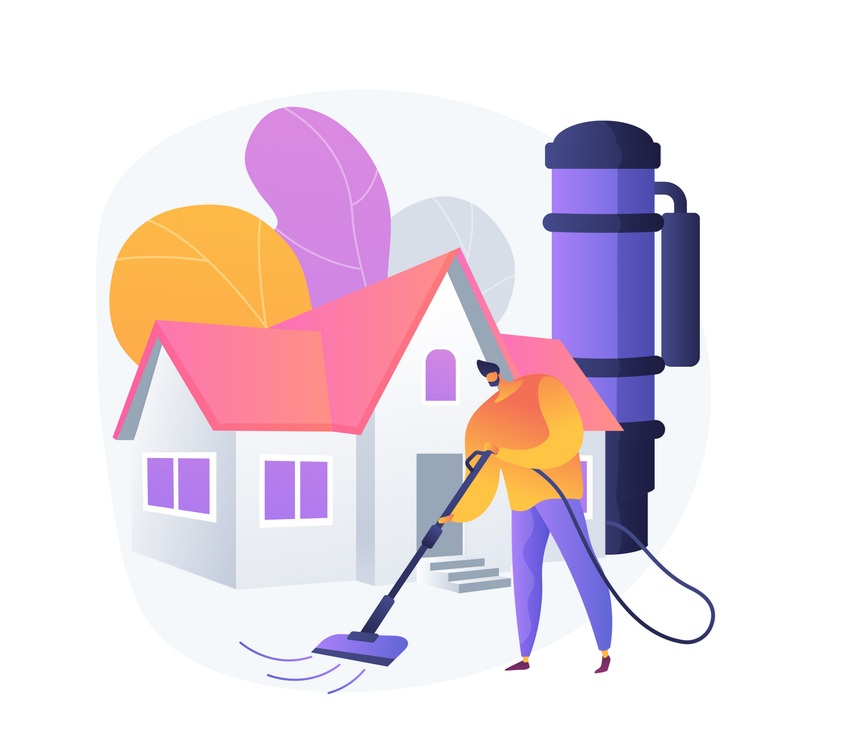
    Central Vacuum Repair in Coral Springs

    If you have a central vacuum system, local experts in Coral Springs can also help with:

    • Inlet or hose clogs
    • Pipe leaks or damage
    • Motor replacement
    • Filter cleaning and canister emptying
    • Power brush repairs

    Because central vacuums are built into the home, professional service is essential to keep them running smoothly.

    How to Choose the Best Vacuum Repair Shop in Coral Springs

    When searching for vacuum repair Coral Springs, keep these tips in mind:

    1. Look for Experience – Choose a shop that specializes in a wide range of vacuum brands and models.
    2. Ask About Warranties – Good shops stand behind their work with service guarantees.
    3. Check Reviews – Online testimonials reveal a lot about reliability and customer satisfaction.
    4. Compare Costs – Affordable doesn’t always mean cheap; you want value and quality service.
    5. Look for Specials – Ask about tune-up specials and discounts for ongoing maintenance.

    Fast, Reliable, and Affordable Service

    Your vacuum is an essential part of your daily routine-don’t let breakdowns slow you down. Whether you need a quick emergency vacuum repair or a scheduled tune-up, Coral Springs repair experts provide the right balance of speed, affordability, and professional care.

    With proper maintenance, your vacuum can last years longer, saving you the hassle and expense of replacement. And with local experts nearby, help is always just a phone call away.

    Final Thoughts

    Searching for vacuum repair in Coral Springs means you’re ready to restore your vacuum’s performance without overspending on a brand-new unit. From same-day emergency vacuum repair to affordable tune-up specials, local shops have the tools and expertise to get your vacuum back in action quickly.

    Fast, reliable, and affordable-that’s the Coral Springs way when it comes to vacuum repair. Don’t wait until a small issue becomes a major breakdown. Schedule your repair or tune-up today and keep your home fresh, clean, and dust-free.

    Central Vacuum Repair Across Broward County

    Gator Vacuum serves all of Broward County: Southwest Ranches · Plantation · Pembroke Pines · Oakland Park · North Lauderdale · Margate · Lauderhill · Lauderdale Beach · Hillsboro Beach · Hallandale Beach

    Call today for fast, reliable service!
  • Vacuum Repair or Replace? Here’s What You Need to Know

    Vacuum Repair or Replace? Here’s What You Need to Know

    When your vacuum stops performing the way, it should, the big question is always the same: should you repair it or replace it? The answer often comes down to understanding vacuum repair cost, the age of your machine, and how much longer it can realistically serve you. In this article, we’ll break down the key factors, including average tune-up price, when repair makes sense, and when investing in a new unit may save you more in the long run. If you’re located in South Florida, Gator Vacuum & Sewing is your trusted local resource for expert repairs, tune-ups, and honest advice.

    Understanding Vacuum Repair Cost

    On average, the vacuum repair cost can range anywhere from $50 to $150 depending on the brand, model, and type of issue. Simple problems like a broken belt or clogged filter are typically on the low end, while replacing a motor or major internal component can run higher.

    For high-end models such as central vacuums or premium brands, repairs may be slightly more costly, but still worth it when compared to the price of a brand-new machine. At Gator Vacuum & Sewing, we provide transparent estimates, so you’ll always know the value before deciding.

    Typical Tune-Up Price

    Sometimes your vacuum doesn’t need a full repair-just a tune-up. A vacuum tune-up price generally falls between $40 and $90. During a tune-up, technicians check the motor, replace or clean filters, inspect the brush roll, and ensure the system is free of clogs.

    This service is especially valuable for homeowners who rely heavily on their vacuum (think: families with pets or allergy sufferers). A routine tune-up can add years of life to your machine while improving suction and overall performance. At Gator Vacuum & Sewing, we specialize in preventative maintenance to save you time and money.

    Repair vs Replace: How to Decide

    The decision to repair or replace often comes down to three main factors:

    1. Age of the Vacuum
      • Most vacuums last about 8–10 years with proper care. If your unit is still relatively new, a repair is often the smarter choice.
    2. Cost of Repair vs Replacement
      • A good rule of thumb: if the repair cost is less than half the price of a new vacuum, repair it. For example, if a new vacuum costs $300 and your repair is $80, repairing is usually the more economical option.
    3. Performance Needs
      • If your current vacuum no longer meets your cleaning needs (for example, struggling with pet hair, allergies, or larger spaces), replacing it with a more powerful or specialized model may make sense.

    When Repair Makes Sense

    • Simple fixes like belts, filters, or hoses.
    • High-end or central vacuums where replacement is costly.
    • Your vacuum is under 5 years old and in otherwise good condition.

    When to Replace

    • Frequent breakdowns and multiple repairs in a short time.
    • Repairs exceeding 50% of the cost of a new vacuum.
    • Outdated technology that doesn’t meet your current cleaning needs.

    Final Thoughts

    Deciding whether to repair or replace your vacuum doesn’t have to be complicated. By weighing the vacuum repair cost, tune-up price, and overall performance, you can make the choice that’s right for your home and budget.

    If you’re still unsure, consulting with a professional vacuum service centre can give you a clear estimate and peace of mind. At Gator Vacuum & Sewing, we’re here to help South Florida homeowners get the most out of their machines-whether through expert repairs, affordable tune-ups, or honest recommendations on replacement options. After all, the goal is simple-keeping your floors clean without breaking the bank.

  • What to Expect When Installing a Central Vacuum System

    What to Expect When Installing a Central Vacuum System

    When homeowners search for central vacuum installation near me, it’s often because they’re ready to upgrade their cleaning routine to something more powerful, efficient, and convenient. A central vacuum system isn’t just a luxury-it’s an investment in your home’s long-term value and your family’s quality of life. But before you begin the process, it’s important to understand what central vacuum installation involves, what kind of costs you should expect, and how ongoing maintenance like filter cleaning fits into the picture.

    This guide walks you through everything you need to know about how to install a central vacuum system, from planning and installation to cost considerations and long-term upkeep.

    Why Choose a Central Vacuum System?

    Unlike traditional upright or cordless vacuums, a central vacuum system is built directly into your home. With inlets installed throughout the house and a power unit tucked away in the garage, basement, or utility room, central vacuums offer:

    • More Power – Central vacuum motors are much stronger than portable vacuums, allowing for deep cleaning of carpets, hardwoods, and furniture.
    • Less Noise – With the motor unit located away from living spaces, you’ll notice quieter cleaning.
    • Cleaner Air Quality – Dust and allergens are carried outside or to a sealed container, keeping them from recirculating inside.
    • Long-Term Value – Central vacuums can increase home resale value, making them attractive to potential buyers.

    For many families-especially those with pets, allergies, or large homes—the convenience and efficiency of a central vacuum make installation well worth the investment.

    What Happens During Central Vacuum Installation?

    When you contact a professional for central vacuum installation near me, the process typically involves several stages. Understanding these steps helps you know what to expect and allows you to make informed decisions along the way.

    1. In-Home Assessment

    A trained installer will begin with a walkthrough of your home. They’ll examine the layout, determine where inlets should be placed for maximum reach, and select an appropriate location for the power unit. Common choices include the garage, basement, or utility room.

    They will also consider your home’s construction-whether it’s new or existing. Central vacuum installation is easiest during new construction, but retrofits are very common and often surprisingly simple with minimal wall disruption.

    2. Planning the Pipe System

    The installer will design a pipe system that runs through walls, floors, or attic spaces to connect the inlets to the main unit. High-quality PVC piping is used, designed specifically for central vacuums to prevent clogs and ensure smooth airflow.

    3. Installing Inlets

    Wall inlets are strategically placed, typically in hallways or central areas of each floor. A standard 30-foot hose can cover about 700–800 square feet, so the installer will make sure that each hose reaches multiple rooms.

    4. Mounting the Power Unit

    The vacuum’s motor and filtration system are installed in a remote location. This unit connects to the piping system and is designed to last many years with proper care.

    5. Electrical Setup

    Some central vacuums require direct electrical connections for powered attachments, while others rely on low-voltage wiring. The installer ensures everything is connected safely.

    6. System Testing

    Once installed, the technician tests the system for suction, checks for air leaks, and confirms that all inlets function properly.

    Central Vacuum Installation Cost

    One of the most common questions homeowners ask is: “How much does it cost to install a central vacuum?”

    Here’s a breakdown of factors that influence pricing:

    • Size of Home – Larger homes require more piping and more inlets, raising installation costs.
    • New Construction vs Retrofit – It’s less expensive to install during construction since walls are open. Retrofitting an existing home can take longer and cost more.
    • Brand & Model – Premium central vacuum systems come with higher initial costs but often last longer and offer stronger suction.
    • Number of Inlets – Each inlet adds materials and labor.
    • Extras – Options like retractable hose systems, garage inlets, and specialty attachments for pet hair or hardwood floors can add to the price.

    On average, homeowners can expect installation to range between $1,200 and $3,500, depending on the above factors. While that might sound like a big investment, remember that central vacuums typically last 20 years or more-much longer than portable vacuums.

    DIY vs Professional Installation

    If you’re handy, you might be wondering how to install a central vacuum system yourself. While DIY installation is possible, there are pros and cons.

    DIY Pros:

    • Lower labor costs
    • Personal control over system design
    • Satisfaction of completing the project yourself

    DIY Cons:

    • Risk of air leaks or clogs if pipes aren’t installed correctly
    • Requires cutting into walls and patching afterward
    • More time-consuming than hiring a professional
    • Mistakes may void the warranty

    Most homeowners choose professional installation to ensure the system runs efficiently from day one. However, if you have construction or plumbing experience, you may feel confident tackling the job on your own.

    Filter Cleaning and Ongoing Maintenance

    Installing a central vacuum is just the beginning. Like any appliance, it requires routine care to stay in top condition. One of the most important tasks is filter cleaning.

    • Types of Filters – Some units use disposable bags, while others have permanent filters that can be shaken or washed.
    • Cleaning Frequency – Filters or bags should be checked every 3–6 months, depending on usage. Homes with pets or allergies may need more frequent maintenance.
    • Emptying the Dirt Canister – The main canister typically only needs to be emptied every 3–6 months, much less often than portable vacuums.
    • Motor & Hose Care – Regularly check the hose for clogs, and make sure the motor’s venting system is clear.

    By keeping up with maintenance, you’ll extend the life of your system and enjoy powerful suction for years.

    Benefits After Installation

    Once your central vacuum is installed, you’ll immediately notice the difference:

    • Faster cleaning with fewer trips up and down stairs
    • Cleaner indoor air-perfect for families with allergies
    • A quieter environment, since the motor is out of living areas
    • Less frequent maintenance compared to traditional vacuums
    • Added home value and long-term savings

    Final Thoughts

    Searching for central vacuum installation near me is the first step toward upgrading your home with a cleaning system that’s powerful, quiet, and built to last. Whether you’re building a new house or retrofitting your current one, professional installers can help design and set up a system tailored to your needs.

    From understanding installation costs to knowing how to install and what role filter cleaning plays in ongoing care, you’re now equipped with the knowledge to make an informed decision. A central vacuum system is more than a cleaning tool-it’s an investment in convenience, health, and home value.

    If you’re ready to enjoy easier, more effective cleaning, reach out to a trusted installer in your area today and experience firsthand the difference a central vacuum system can make.

  • 7 Surprising Benefits of Central Vacuum Systems for Modern Homes

    7 Surprising Benefits of Central Vacuum Systems for Modern Homes

    7 Surprising Benefits of Central Vacuum Systems for Modern Homes

    When it comes to home upgrades, most people think about kitchens, bathrooms, or smart home features. But there’s one hidden upgrade that delivers huge returns in cleanliness, convenience, and even property value: the central vacuum system.

    At Gator Vacuum & Sewing, we’ve been serving South Florida homeowners for decades, and one thing we hear repeatedly is this: once people experience the difference of a central vacuum, they can’t imagine going back to traditional portable vacuums.

    So, are central vacuums worth it? Absolutely. Let’s dive into seven surprising central vacuum benefits that make them one of the smartest investments for modern homes.

    1. Central Vacuums Are Absolutely Worth It

    The first question many homeowners ask is: “Are central vacuums worth it?” While the initial cost may be higher than a store-bought upright vacuum, the long-term value is undeniable.

    • More power: Central vacuums deliver far stronger suction than portable models.
    • Longevity: With proper care, central vacuums can last 20 years or more.
    • Ease of use: No more dragging heavy equipment up and downstairs.

    At Gator Vacuum & Sewing, we’ve installed thousands of systems across Coral Springs, Boca Raton, Fort Lauderdale, and surrounding cities. Homeowners consistently tell us the same thing: the investment pays off in both convenience and quality of life.

    If you’re curious about what’s possible, explore our central vacuum installation services to see how we can design a system tailored for your home.

    2. Increase Home Value

    Did you know that a central vacuum can make your home more appealing to buyers? Just like granite countertops or hardwood floors, a central vacuum system is considered a luxury feature that adds sophistication and functionality.

    • Realtors often highlight central vacuums as a selling point.
    • Buyers see it as a premium upgrade they won’t have to install themselves.
    • A home equipped with a central vacuum stands out in today’s competitive South Florida market.

    In other words, if you’re planning to sell in the future, this is one upgrade that can help increase home value while giving you years of use in the meantime. Learn more about how central vacuums add resale value on our site.

    3. Allergy Relief and Cleaner Indoor Air

    If someone in your home struggles with allergies or asthma, a central vacuum system can make a life-changing difference.

    Traditional vacuums often blow fine particles like dust, pollen, and pet dander back into the room through their exhaust. But a central vacuum system vents these particles completely out of the living area, usually to the garage or outside.

    That means:

    • Cleaner indoor air for the entire family.
    • Reduced allergy symptoms for sensitive individuals.
    • Better sleep and wellness, thanks to a healthier environment.

    At Gator Vacuum, many of our customers tell us this was the number one reason they switched—and they noticed an immediate difference. Discover how central vacuums improve air quality and overall home health.

    4. Whisper-Quiet Cleaning

    Let’s be honest: vacuuming with a traditional upright can sound like a jet engine. Central vacuums eliminate that issue because the motor is located in a garage, utility room, or basement.

    Inside the home, all you hear is a gentle whoosh of air through the hose. That makes it possible to:

    • Clean while children nap.
    • Vacuum without scaring pets.
    • Tidy up while others watch TV or work from home.

    For families with busy schedules and shared spaces, this is a huge lifestyle upgrade. Check out our central vacuum bags and filters page for refills when needed.

    5. Everyday Convenience

    Forget hauling around bulky vacuums, tripping over cords, or hunting for outlets. With a central vacuum system, you simply plug a lightweight hose into wall inlets, and you’re ready to go.

    Modern systems even offer:

    • Retractable hoses that store neatly in the wall.
    • Specialized tools for cars, stairs, hardwood floors, and upholstery.
    • Quick-clean sweep inlets where you can sweep dirt directly into a wall vent without even using a hose.

    The ease and speed of cleaning are some of the biggest reasons families say central vacuums are worth it. See the latest innovations on our central vacuum products page.

    6. Long-Term Durability and Cost Savings

    Here’s another central vacuum benefit: they last a very long time. While portable vacuums are often worn out every few years, central vacuums can easily last two decades with basic maintenance.

    Plus:

    • The large dirt canisters only need to be emptied a few times a year.
    • The motor and filtration systems are designed for heavy-duty use.
    • You save money by not having to constantly replace disposable vacuums.

    Over the lifespan of your home, this makes central vacuums one of the most cost-effective cleaning solutions available. For expert tune-ups or parts, visit our central vacuum repair and maintenance page.

    7. Built for Modern Homes

    Today’s homes are bigger, smarter, and busier than ever. A central vacuum system is designed to keep up.

    From handling open floor plans and high ceilings to cleaning garages, cars, and outdoor spaces, these systems adapt to your needs. With Gator Vacuum’s installation expertise, we can design a system tailored specifically to your home-whether you live in a condo, townhouse, or single-family house.

    Explore our Why Central Vacuums page to see how we make it easy to integrate a system in any type of home.

    Final Thoughts: Why Gator Vacuum & Sewing?

    When you add it all up-allergy relief, increased home value, quiet cleaning, and long-lasting durability-it’s clear that central vacuum systems are one of the smartest home upgrades available.

    At Gator Vacuum & Sewing, we don’t just sell and install central vacuums. We’ve been trusted in South Florida for over 30 years, providing expert service, maintenance, and repairs. From Coral Springs to Fort Lauderdale, Boca Raton to Tamarac, our family-owned business is here to make your home cleaner, healthier, and more valuable.

    Ready to upgrade? Contact us today for a free consultation or estimate.