

Broward: 954-341-4323
Palm Beach: 561-558-0770

MEGA SHOWROOM:
9853 W. Sample Rd,
Coral Springs, FL 33065
HOURS: M-F: 9am-6pm SAT: 10am-4pm

Tag: Tamarac FL

  • The “Drive-In” Advantage: Why Shipping Your Sewing Machine Is a Risk

    The “Drive-In” Advantage: Why Shipping Your Sewing Machine Is a Risk

    The “Drive-In” Advantage: Why Shipping Your Sewing Machine Is a Risk

    When your sewing machine starts acting up with skipped stitches, strange noises, or tension issues, the first instinct is to get it fixed as quickly as possible. But how you choose to service your machine can make a bigger difference than you might think.

    For many sewists, especially in areas like Margate and Tamarac, the choice often comes down to two options:

    • Ship it off to a repair center and wait
    • Drive it to a local expert and get it handled fast

    At first glance, shipping might seem convenient. But it introduces risks, delays, and uncertainties that can turn a simple repair into a frustrating experience.

    Let’s break down why more local sewists are choosing the “drive-in” advantage and why shipping your machine is often not worth the risk.

    What Really Happens When You Ship Your Machine

    Shipping a sewing machine isn’t like mailing a small package. These are precision instruments with delicate internal components that rely on exact alignment.

    When you ship your machine, it typically goes through:

    • Multiple handling points
    • Conveyor systems
    • Truck transport over long distances
    • Warehousing before and after repair

    Even with careful packaging, that journey can take a toll.

    The Hidden Risks of Shipping

    1. Internal Misalignment

    Sewing machines depend on precise timing between the needle, hook, and feed system. A hard bump or drop during transit can shift that alignment even slightly.

    The result?

    • Skipped stitches
    • Timing issues
    • Reduced stitch quality

    And here’s the frustrating part: your machine might come back “repaired” but still not perform the way it should.

    2. Cracked Frames and Structural Damage

    Many machines, especially modern ones, contain internal frames and components that aren’t designed to absorb shock.

    Shipping can lead to:

    • Hairline cracks in frames
    • Broken plastic housing
    • Loosened internal mounts

    These issues aren’t always visible right away, but they can cause long-term problems.

    3. Electrical and Computerized Component Damage

    For computerized machines, shipping introduces another layer of risk:

    • Circuit board sensitivity to vibration
    • Loose connections from impact
    • Static or environmental exposure

    A machine that left with a minor issue could return with a much bigger one.

    4. Lost or Delayed Packages

    It doesn’t happen often, but when it does, it’s a nightmare.

    Shipping delays, lost packages, or damage claims can leave you without your machine for weeks or longer.

    The Time Factor: Weeks vs. Days

    Beyond physical risks, shipping comes with a major downside: time.

    Mail-In Repair Timeline:

    • Shipping to facility: 3–7 days
    • Intake and queue: 1–3 weeks
    • Repair time: Varies
    • Return shipping: Another 3–7 days

    Total: Often 3–6 weeks or more

    Local “Drive-In” Service Timeline:

    For sewists near Margate and Tamarac, local service offers a completely different experience:

    • Drop off your machine in person
    • Receive a same-day sewing estimate
    • Repairs are often completed within 24–48 hours

    No shipping. No waiting weeks. No uncertainty.

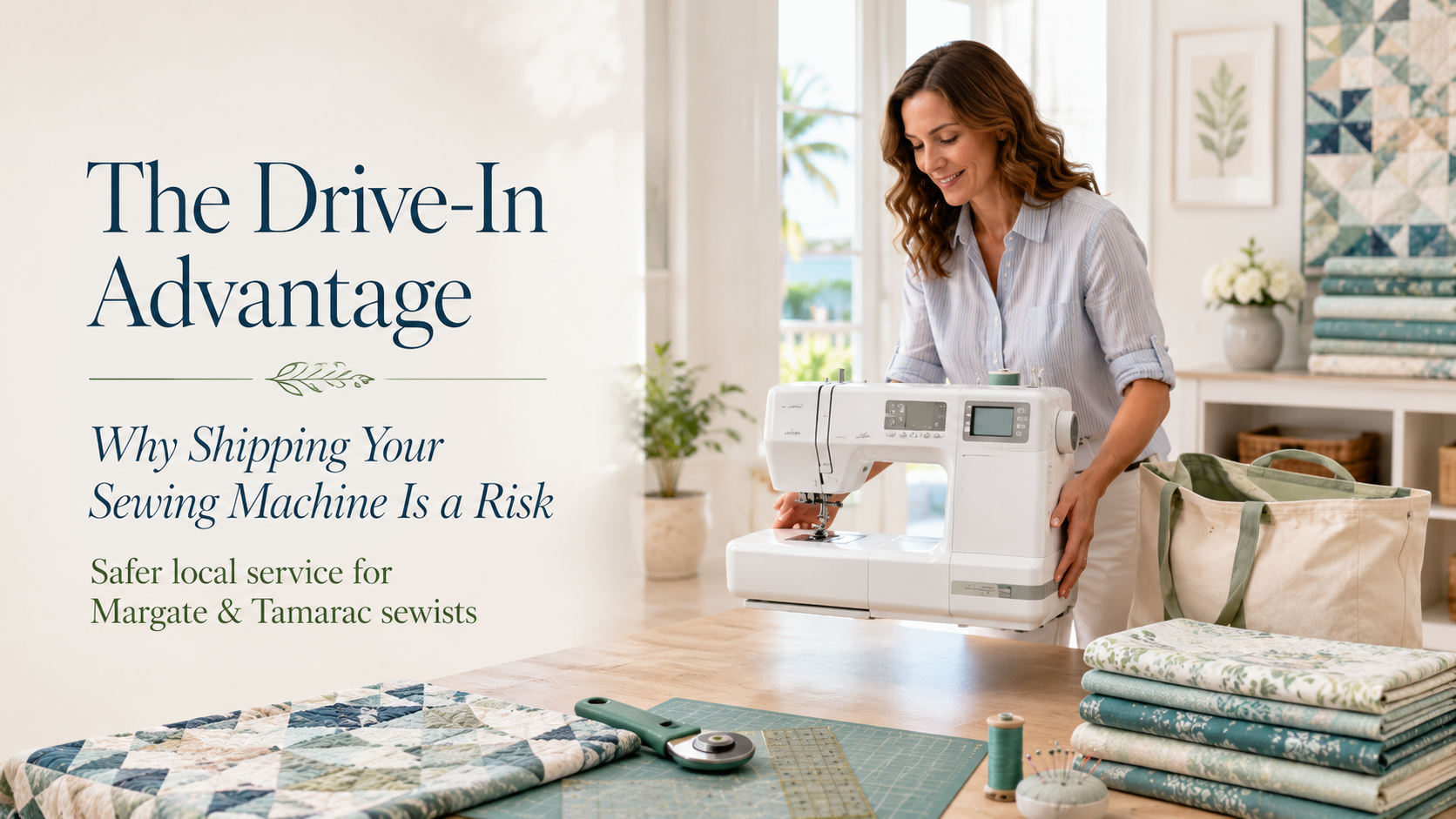
    Customer dropping off a sewing machine with a local repair professional in Margate
    Face-to-face service allows customers to explain machine problems directly and receive a faster, more accurate diagnosis.

    The Convenience of Staying Local

    Driving your machine to a nearby shop isn’t just safer; it’s easier.

    Benefits of Local Drop-Off:

    • No packing or boxing required
    • No risk of shipping damage
    • Face-to-face communication with technicians
    • Faster diagnosis and turnaround

    For residents in Margate and Tamarac, a short drive can save weeks of downtime.

    Better Communication, Better Results

    When you ship your machine, communication is limited to forms, emails, or customer service representatives who may not be technicians.

    With a local Margate sewing machine repair provider, you can:

    • Explain the issue in detail
    • Demonstrate problems if needed
    • Ask questions directly to the expert

    This leads to:

    • More accurate diagnostics
    • Fewer misunderstandings
    • Better overall results

    Protecting Your Investment

    A sewing machine, especially a high-quality one, is a significant investment. Whether you use it for quilting, garment making, or embroidery, its performance matters.

    Shipping adds unnecessary risk to that investment.

    Local service, on the other hand, keeps your machine:

    • In a controlled environment
    • Handled by experienced professionals
    • Protected from transit-related damage

    The Real Value of Fast Turnaround

    Time without your machine isn’t just inconvenient. It can disrupt projects, deadlines, and even income for those who sew professionally.

    That’s why fast sewing machine turnaround is such a game-changer.

    Instead of putting your work on hold for weeks, local service allows you to:

    • Get back to projects quickly
    • Maintain productivity
    • Avoid unnecessary stress

    Why More Sewists Are Choosing the “Drive-In” Advantage

    In communities like Margate and Tamarac, the shift toward local service is clear.

    Sewists are prioritizing:

    • Speed
    • Safety
    • Reliability
    • Personal service

    They’ve experienced the difference, and once you do, it’s hard to go back to shipping.

    When, (If Ever) Shipping Makes Sense

    To be fair, shipping may be necessary in very specific situations:

    • Highly specialized repairs only available from manufacturers
    • Warranty-required service centers

    But for most maintenance and repairs, a local shop provides a better experience.

    Final Thoughts: Skip the Shipping, Save the Stress

    Your sewing machine is a precision tool that deserves careful handling, not a cross-country journey through shipping hubs.

    For sewists in Margate and Tamarac, Gator Vacuum & Sewing Co. offers a simple solution:

    Drive it in. Get a same-day sewing estimate. Enjoy a fast sewing machine turnaround. Most importantly, protect your machine from unnecessary risk.

    Because when it comes to repairs, the shortest distance between the problem and the solution is often just a short drive away.

  • Sewing Machine Tune-Up Checklist for Tamarac and Coconut Creek Sewers

    Sewing Machine Tune-Up Checklist for Tamarac and Coconut Creek Sewers

    Whether you are a hobby sewer, quilter, embroidery enthusiast, or someone finally pulling a sewing machine out of the closet after months of sitting unused, regular maintenance plays a major role in keeping your machine sewing smoothly. Many common sewing problems start with simple issues like lint buildup, worn needles, dried lubrication, or tension imbalance.

    At Gator Vacuum and Sewing, customers from Tamarac, Coconut Creek, and surrounding South Florida communities often bring in sewing machines that simply need a professional tune-up to restore proper performance.

    If your machine has started making strange noises, skipping stitches, jamming, or struggling with basic fabrics, this sewing machine tune-up checklist can help you identify when it is time for maintenance or professional Coconut Creek sewing machine service.

    Why Regular Sewing Machine Maintenance Matters

    Sewing machines contain precision mechanical parts that operate at high speeds. Over time, dust, lint, thread fibers, dried oil, and general wear affect how efficiently the machine runs.

    Even machines that have not been used recently can develop issues from sitting too long. Lubricants dry out, belts age, and internal components stiffen over time.

    Routine tune-ups help:

    • Improve stitch quality
    • Reduce thread breakage
    • Prevent jamming
    • Extend machine lifespan
    • Protect internal components
    • Improve fabric feeding
    • Reduce motor strain
    • Catch small problems before major repairs develop

    For sewers in Tamarac and Coconut Creek, regular servicing is especially helpful because South Florida humidity and household dust can contribute to internal buildup over time.

    Sewing Machine Tune-Up Checklist

    Use this checklist to inspect your machine before starting your next sewing project.

    1. Check for Excessive Dust and Lint Buildup

    Lint accumulation is one of the most common causes of sewing machine problems.

    Check areas including:

    • Bobbin compartment
    • Feed dogs
    • Needle plate
    • Tension area
    • Thread pathways

    Heavy lint buildup can interfere with stitch formation and cause feeding problems.

    If your machine has not been cleaned in months or years, professional internal cleaning may be necessary.

    Warning Signs:

    • Machine feels sluggish
    • Increased noise
    • Fabric feeding poorly
    • Frequent jams
    • Visible lint around moving parts

    2. Inspect the Needle

    A worn or bent needle can create multiple sewing problems.

    Replace the needle if:

    • It has been used heavily
    • The tip looks dull
    • The machine skips stitches
    • Fabric snags during sewing
    • Thread breaks repeatedly

    Many sewing issues are solved simply by installing a fresh needle appropriate for the fabric being used.

    3. Listen for Strange Noises

    A properly functioning sewing machine should run relatively smoothly and consistently.

    Grinding, knocking, squeaking, or clicking noises may indicate:

    • Lack of lubrication
    • Timing problems
    • Internal debris
    • Motor strain
    • Loose components

    Unusual sounds should never be ignored because they often signal developing mechanical problems.

    At Gator Vacuum and Sewing, technicians inspect internal moving parts and lubrication systems during professional tune-ups.

    4. Test Stitch Quality

    Sew several test lines on scrap fabric before beginning important projects.

    Watch for:

    • Uneven stitches
    • Loose loops
    • Skipped stitches
    • Thread bunching
    • Puckered fabric
    • Inconsistent stitch length

    These issues often point to tension imbalance, timing problems, or worn components.

    5. Check Thread Tension

    Tension problems are one of the biggest frustrations for both beginner and experienced sewers.

    Signs of incorrect tension include:

    • Loops underneath fabric
    • Tight pulling stitches
    • Tangled thread
    • Uneven seam appearance
    • Frequent thread snapping

    Sometimes tension problems result from incorrect threading, but persistent tension issues may require professional adjustment and cleaning.

    6. Inspect the Bobbin Area

    The bobbin system is critical to stitch formation.

    Check for:

    • Thread buildup
    • Lint accumulation
    • Damaged bobbins
    • Improper bobbin winding
    • Scratched bobbin cases

    A dirty or damaged bobbin area can quickly lead to nesting thread and poor stitching.

    7. Evaluate Fabric Feeding

    Feed dogs move fabric beneath the needle at a consistent rate.

    Your machine may need servicing if:

    • Fabric stalls during sewing
    • Material bunches up
    • Stitch lengths vary
    • Thick fabrics become difficult to sew

    Feed dog cleaning and adjustment are common parts of a professional sewing machine tune-up.

    8. Check for Thread Breaking

    Frequent thread breakage is a strong indicator that something is wrong.

    Possible causes include:

    • Incorrect tension
    • Burrs along the thread path
    • Timing problems
    • Dull needles
    • Poor-quality thread
    • Internal buildup

    If thread continues breaking after changing needles and rethreading the machine, professional inspection may be necessary.

    9. Examine Power and Speed Consistency

    Pay attention to how the machine responds while sewing.

    Warning signs include:

    • Slow startup
    • Inconsistent speed
    • Hesitation while sewing
    • Motor overheating
    • Burning smells

    These symptoms may indicate motor, pedal, or belt issues that should be professionally inspected.

    10. Confirm Proper Lubrication

    Older sewing machines especially require proper lubrication to prevent wear and stiffness.

    If your machine:

    • Feels tight while turning
    • Sounds dry
    • Has been stored for years
    • Runs loudly

    It may need lubrication and cleaning.

    Using improper household oils can damage internal components, which is why professional servicing is often recommended.

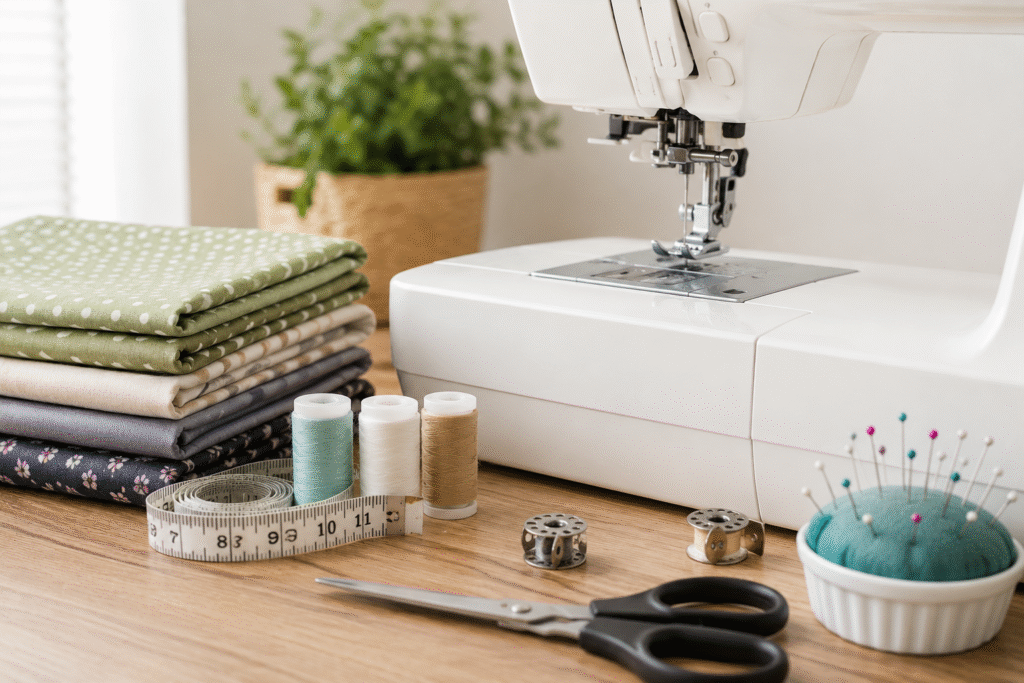
    Close-up of a sewing machine with fabric, thread, scissors, bobbins, measuring tape, and sewing maintenance supplies
    Regular cleaning, fresh needles, and proper maintenance help keep sewing machines running smoothly.

    Signs Your Sewing Machine Needs Professional Service

    While basic maintenance helps, some issues require experienced repair technicians.

    You should consider professional sewing machine service if:

    • The machine jams frequently
    • Timing appears off
    • Stitches remain uneven after troubleshooting
    • Tension problems continue
    • Internal cleaning has not been done in years
    • The machine smells hot during operation
    • The machine has been dropped or transported recently
    • Needle strikes occur repeatedly
    • Sewing quality continues to decline

    At Gator Vacuum and Sewing, professional tune-ups help restore performance for many sewing machine brands and models.

    What a Professional Sewing Machine Tune-Up Usually Includes

    Many people are surprised how detailed a proper tune-up actually is.

    Professional sewing machine service may include:

    • Internal cleaning
    • Removal of lint and thread buildup
    • Lubrication of moving parts
    • Timing adjustments
    • Tension calibration
    • Feed dog inspection
    • Motor testing
    • Belt inspection
    • Bobbin system adjustments
    • Mechanical alignment checks
    • General performance testing

    These services help improve reliability and reduce long-term wear.

    Why Tamarac and Coconut Creek Sewers Benefit From Routine Maintenance

    Many local sewing machine owners use their equipment for:

    • Quilting
    • Embroidery
    • Alteration work
    • Crafting
    • Costume sewing
    • Home décor projects
    • Small business sewing

    Machines that are used heavily or stored improperly can develop problems faster without regular maintenance.

    South Florida’s dust and humidity also make periodic cleaning especially important for long-term sewing machine care.

    Pulling a Sewing Machine Out After Months in Storage?

    One of the most common situations technicians see is a sewing machine that has been sitting unused in a closet for months or even years.

    Machines coming out of storage often experience:

    • Hardened lubricants
    • Dust accumulation
    • Stiff movement
    • Tension problems
    • Dry belts
    • Threading issues

    Before starting a large project, it is smart to inspect the machine carefully or schedule a professional tune-up to avoid frustration later.

    Professional Sewing Machine Service for Tamarac and Coconut Creek

    If your sewing machine is skipping stitches, making unusual noises, breaking thread, or simply overdue for maintenance, a professional tune-up can often restore smoother, quieter performance.

    At Gator Vacuum and Sewing, customers throughout Tamarac, Coconut Creek, and surrounding South Florida areas trust experienced technicians for sewing machine cleaning, tune-ups, timing adjustments, and repairs.

    Routine servicing helps protect your investment, improve sewing quality, and keep your machine operating reliably for years to come.

  • Should You Repair or Replace Your Vacuum? A Tamarac Homeowner’s Guide

    Should You Repair or Replace Your Vacuum? A Tamarac Homeowner’s Guide

    Should You Repair or Replace Your Vacuum? A Tamarac Homeowner’s Guide

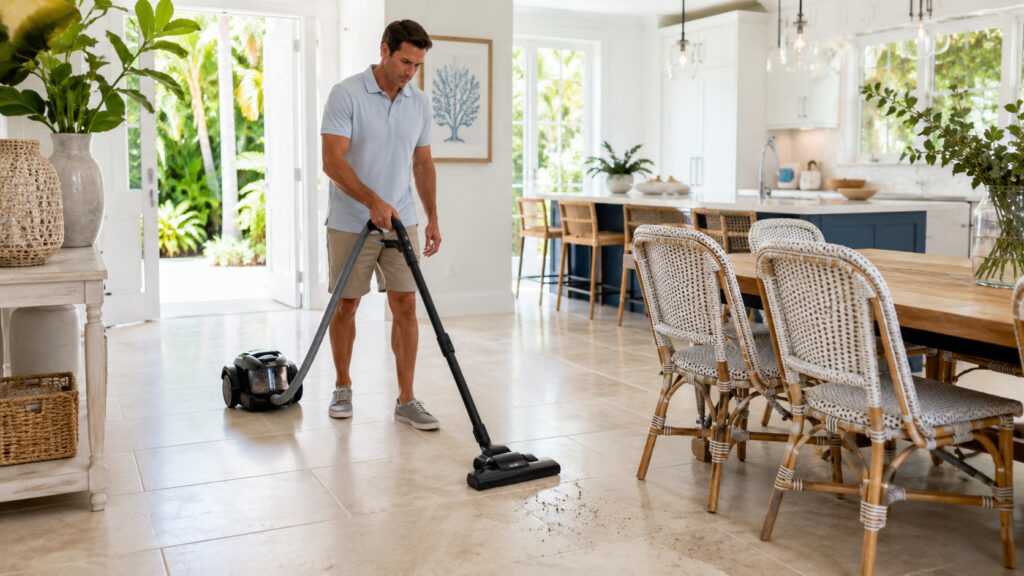
    A vacuum cleaner is one of the hardest-working appliances in your home. In Tamarac and throughout Broward County, vacuums deal with constant challenges like tile-floor dust, pet hair, sand, allergens, and heavy daily use.

    Eventually, every homeowner faces the same question:

    Should you repair your vacuum or replace it entirely?

    Sometimes the answer is obvious. Other times, a simple repair can restore years of reliable performance and save you hundreds of dollars.

    The key is understanding what problems are worth fixing, when replacement makes more sense, and how to choose the best option for your home and budget.

    For homeowners in Tamarac, Coral Springs, Margate, and nearby areas, Gator Vacuum and Sewing helps customers with both professional vacuum repairs and replacement vacuum sales, making it easier to find the right long-term solution.

    Why Vacuum Problems Are Common in South Florida Homes

    South Florida homes create unique wear and tear on vacuum systems.

    Common issues include:

    • Sand damaging brushrolls and belts
    • Pet hair clogging hoses
    • Fine dust overwhelming filters
    • Humidity contributing to dirt buildup
    • Heavy use on large tile floors
    • Constant debris from indoor-outdoor living

    Even high-quality vacuums eventually experience performance issues.

    The important thing is determining whether the vacuum still has enough life left to justify repair.

    Start With the Age of the Vacuum

    The age of your vacuum is one of the biggest decision factors.

    Vacuums Worth Repairing

    In many cases, repairing makes sense when:

    • The vacuum is under 8 to 10 years old
    • The motor still runs well
    • The vacuum was originally high quality
    • Replacement parts are still available
    • The repair is relatively minor

    Higher-end vacuums are often built to last significantly longer than cheaper retail models.

    A quality vacuum that receives proper maintenance can provide many additional years of service after repair.

    When Replacement Makes More Sense

    Replacement may be smarter if:

    • The vacuum is very old
    • Multiple components are failing
    • Repair costs are excessive
    • Parts are discontinued
    • The vacuum no longer meets your cleaning needs

    Many inexpensive vacuums are designed more like disposable appliances than long-term investments.

    How to Tell if Your Vacuum Has Lost Suction

    Weak suction is one of the most common complaints homeowners have.

    However, low suction doesn’t always mean the vacuum is dying.

    Sometimes the issue is simple.

    Common causes include:

    • Full bags or canisters
    • Dirty filters
    • Clogged hoses
    • Blocked brushrolls
    • Worn belts
    • Air leaks

    At Gator Vacuum and Sewing, many vacuums that appear “dead” are actually repairable with basic service and maintenance.

    Broken Belts: A Common and Affordable Repair

    Vacuum belts wear out over time, especially in homes with:

    • Pets
    • Thick rugs
    • Heavy debris
    • Long hair buildup

    Signs of a broken or worn belt include:

    • Brushroll not spinning
    • Burning smell
    • Poor carpet cleaning
    • Sudden loss of agitation

    Fortunately, belt replacement is usually inexpensive and straightforward.

    Many homeowners replace an otherwise functional vacuum unnecessarily because they assume major damage has occurred.

    Clogged Hoses Can Mimic Serious Problems

    A clogged hose can make even a powerful vacuum feel weak.

    South Florida homes often create blockages from:

    • Pet hair
    • Sand
    • Dust buildup
    • Small toys or debris
    • Excess lint

    Symptoms may include:

    • Reduced airflow
    • Strange noises
    • Overheating
    • Poor pickup performance

    Professional cleaning and inspection can often restore full performance quickly.

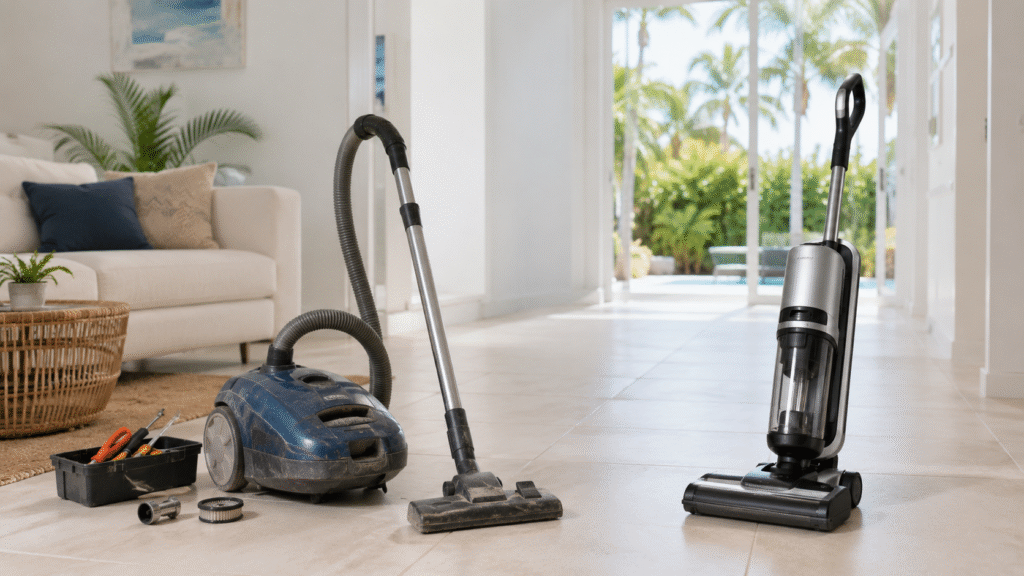
    Older vacuum with repair tools beside a newer vacuum in a Tamarac home
    Comparing an older vacuum with a newer model can help homeowners decide whether repair or replacement makes more sense.

    Motor Problems: Repair or Replace?

    Motor issues require closer evaluation.

    Signs of motor trouble include:

    • Loud whining noises
    • Burning odors
    • Intermittent shutdowns
    • Overheating
    • Failure to power on
    • Electrical smells

    For higher-end vacuums or central vacuum systems, motor replacement is often worthwhile.

    For lower-cost retail vacuums, replacement may be more practical depending on repair costs.

    At Gator Vacuum and Sewing, technicians can evaluate whether motor replacement makes financial sense compared to buying a new machine.

    Missing or Damaged Parts

    Many homeowners continue struggling with vacuums missing important components.

    Common missing or damaged parts include:

    • Attachments
    • Wand sections
    • Floor tools
    • Hoses
    • Brushrolls
    • Powerheads
    • Handles

    In many cases, replacing individual parts can restore functionality without replacing the entire vacuum.

    This is especially true for higher-quality machines designed with replaceable components.

    Is Your Vacuum Still Right for Your Home?

    Sometimes the vacuum itself still works, but it no longer fits your lifestyle or home.

    For example:

    • A small vacuum may struggle in a larger home
    • A carpet vacuum may perform poorly on tile floors
    • A lightweight stick vacuum may not handle pet hair well
    • An older machine may lack modern HEPA filtration

    As homes change, cleaning needs often change too.

    Many Tamarac homeowners are upgrading to:

    • Better pet-hair vacuums
    • HEPA filtration systems
    • Central vacuum systems
    • More powerful canister vacuums
    • Lightweight maneuverable designs

    If your current vacuum constantly frustrates you, replacement may improve both cleaning results and convenience.

    When Repairing Your Vacuum Saves Money

    Repairing usually makes sense when:

    • The vacuum is high quality
    • Repair costs are reasonable
    • The vacuum still meets your needs
    • The motor is healthy
    • Replacement parts are available

    A professional tune-up may include:

    • Deep cleaning
    • Filter replacement
    • Belt replacement
    • Brushroll cleaning
    • Electrical inspection
    • Hose unclogging
    • Suction testing

    These repairs can dramatically improve performance for far less than replacement cost.

    When Buying a New Vacuum Is the Better Investment

    Replacement may be the better choice if:

    • Repairs approach replacement cost
    • The vacuum repeatedly breaks down
    • Suction remains poor after repairs
    • Filtration is outdated
    • The vacuum struggles with pets
    • Your flooring has changed
    • The machine overheats regularly

    Investing in a better vacuum can:

    • Improve indoor air quality
    • Reduce cleaning time
    • Increase reliability
    • Improve pet hair removal
    • Make vacuuming less frustrating

    Why Professional Advice Matters

    One reason homeowners trust Gator Vacuum and Sewing is because the goal isn’t simply selling a new vacuum.

    Sometimes the best solution is:

    • A repair
    • A replacement hose
    • A new powerhead
    • Updated attachments
    • A central vacuum upgrade
    • A completely new machine

    Getting honest recommendations helps homeowners avoid unnecessary spending while still improving cleaning performance.

    Central Vacuum Repair vs. Replacement

    Many Broward County homeowners assume older central vacuum systems need complete replacement when performance declines.

    In reality, many systems only need:

    • Motor replacement
    • New hoses
    • Updated powerheads
    • Inlet repairs
    • Filter replacement

    Central vacuum systems are often designed to last decades with proper maintenance.

    Repairing or upgrading an existing system can often restore excellent cleaning power without major renovation costs.

    Signs It’s Time for a Vacuum Evaluation

    If you notice any of these issues, it may be time for professional inspection:

    • Weak suction
    • Burning smells
    • Loud noises
    • Frequent clogs
    • Brushroll not spinning
    • Dust blowing into the air
    • Poor pet hair pickup
    • Overheating
    • Electrical issues
    • Cracked hoses or broken attachments

    Catching problems early often prevents more expensive repairs later.

    Final Thoughts

    Deciding whether to repair or replace your vacuum depends on several factors:

    • Age
    • Repair cost
    • Performance
    • Home size
    • Flooring type
    • Pets
    • Indoor air quality needs

    For Tamarac homeowners, the best solution isn’t always replacing the vacuum, and it isn’t always repairing it either.

    That’s why many local homeowners turn to Gator Vacuum and Sewing for honest advice, professional vacuum repairs, replacement parts, central vacuum service, and quality new vacuum systems.

    Whether your vacuum needs a quick repair, an upgraded attachment, or a complete replacement, getting expert guidance can help you make the smartest long-term decision for your home and cleaning needs.