

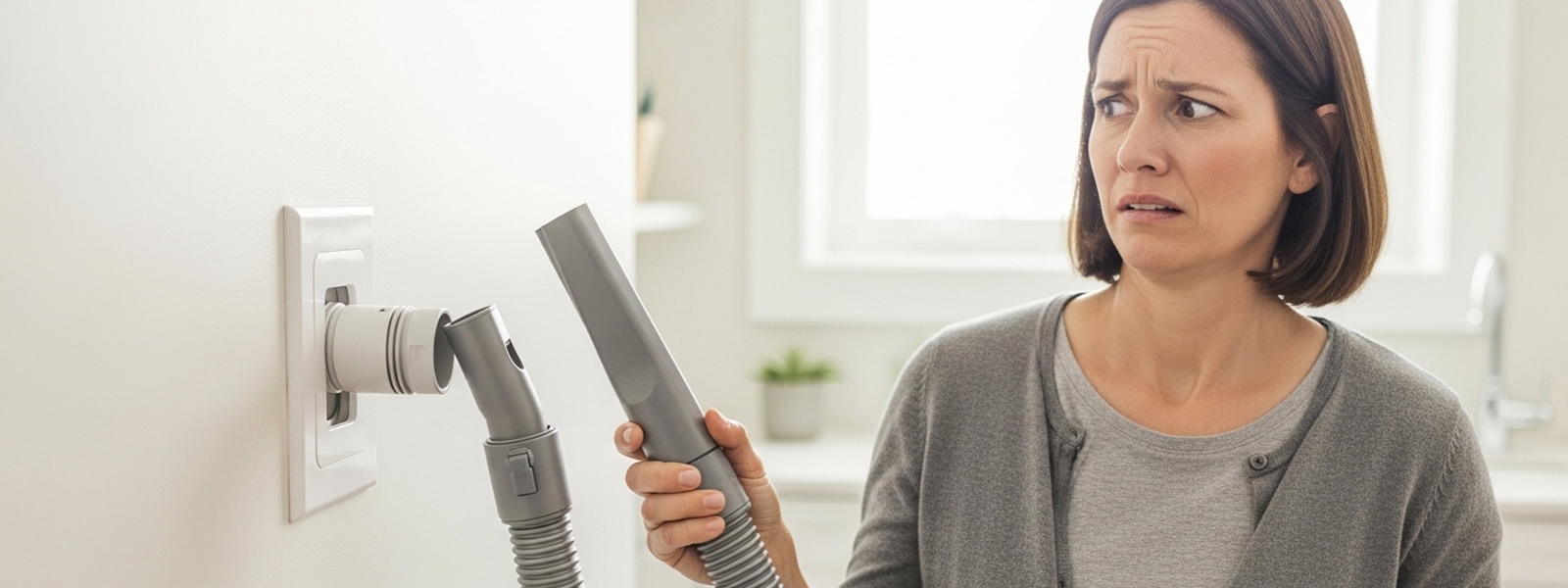
Vacuuming seems simple—but many homeowners unknowingly make mistakes that reduce cleaning effectiveness, shorten the life of their vacuum, and leave dirt behind.
If your floors still feel dusty after cleaning, the issue may not be your vacuum—it’s how you’re using it.
This guide breaks down the most common vacuuming mistakes and shows you how to vacuum properly for cleaner floors, better air quality, and longer-lasting equipment.
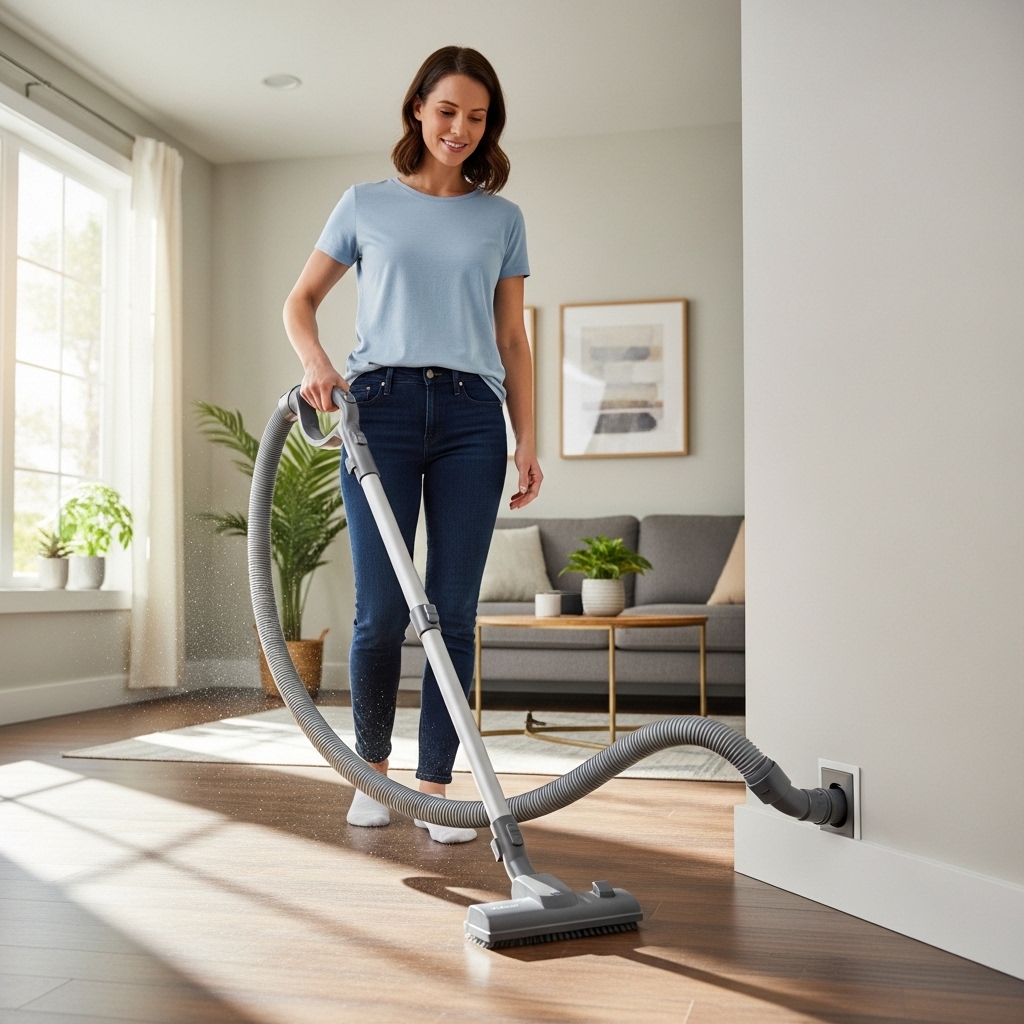
1. Using the Wrong Vacuum Setting for Your Floor Type
One of the most common mistakes is using the same setting across all surfaces. Carpet, tile, and hardwood each require different approaches.
 Why It’s a Problem:
- Brush rolls can scratch or damage hard floors
- Incorrect height settings reduce suction on carpet
- Dirt gets pushed instead of removed
How to Avoid It:
- Adjust brush height for carpet pile
- Turn off brush rolls on hardwood and tile
- Use suction-only modes for delicate surfaces
If your vacuum struggles to adapt, it may be time to consider upgrading to a more efficient solution like a central vacuum system that delivers consistent suction across your entire home.
2. Vacuuming Too Fast
Speed feels productive—but it’s one of the biggest reasons dirt gets left behind.
Why It’s a Problem:
- Embedded debris isn’t fully lifted
- Fine dust stays trapped in fibers
- Allergens remain in your home
How to Avoid It:
- Move slowly and steadily
- Overlap each pass slightly
- Let the brush roll do the work
If your vacuum still isn’t performing properly even with better technique, it may need servicing. Scheduling a
professional vacuum repair service can restore suction and improve performance quickly.
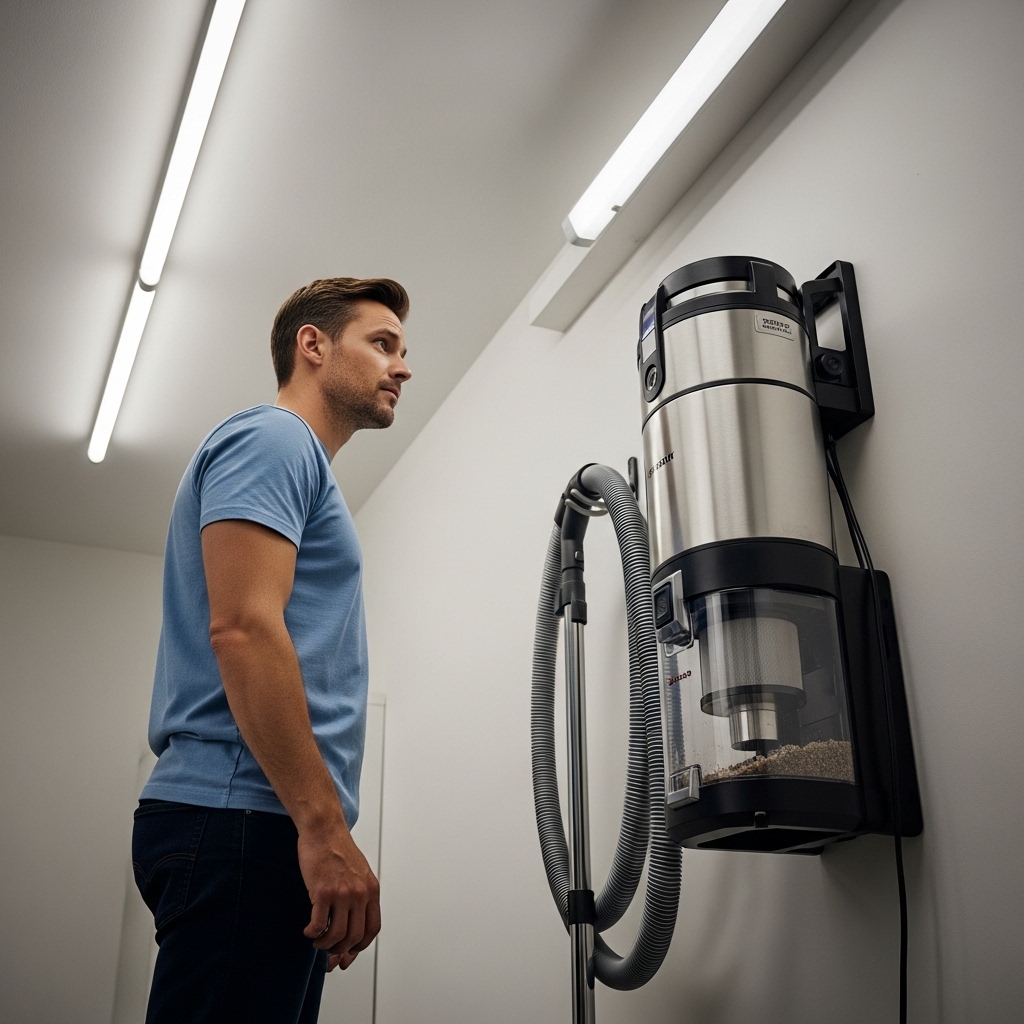
3. Using the Wrong Attachments (or Not Using Them at All)
Attachments aren’t extras—they’re essential tools.
 Why It’s a Problem:
- Floors get partially cleaned
- Dust builds up in corners and edges
- Upholstery and baseboards are neglected
How to Avoid It:
- Use powerheads for carpet
- Switch to hard floor brushes for tile and wood
- Use crevice tools for tight spaces
Using the right tools ensures a deeper clean and helps prevent dirt from redistributing throughout your home.
4. Overusing or Neglecting Filters
Filters are critical for both suction and indoor air quality.
Why It’s a Problem:
- Reduced airflow and suction
- Dust recirculates into the air
- Motor strain shortens lifespan
How to Avoid It:
- Clean washable filters regularly
- Replace disposable filters on schedule
- Never vacuum with a dirty filter
For homeowners dealing with dust or allergies, upgrading to a central vacuum installation can significantly improve indoor air quality by venting debris outside the living space.
5. Ignoring Vacuum Maintenance
Even the best vacuum needs routine care.
Why It’s a Problem:
- Worn belts reduce cleaning power
- Blockages kill suction
- Small issues turn into expensive repairs
How to Avoid It:
- Check hoses for clogs
- Remove hair from brush rolls
- Schedule routine maintenance
If your vacuum has lost power, don’t assume it needs replacing—many issues can be fixed quickly with professional service.
Bonus Vacuuming Tips for Better Results
- Vacuum high-traffic areas more often
- Empty canisters before they’re full
- Work from the farthest point toward the exit
- Match your vacuum to your flooring type
Final Thoughts: Small Changes, Big Cleaning Results
Most vacuuming problems don’t come from weak machines—they come from avoidable habits.
By correcting these mistakes, you’ll clean more effectively, extend the life of your vacuum, and improve your home’s air quality.
And if your current system still isn’t delivering results, upgrading or servicing your vacuum can make a dramatic difference.
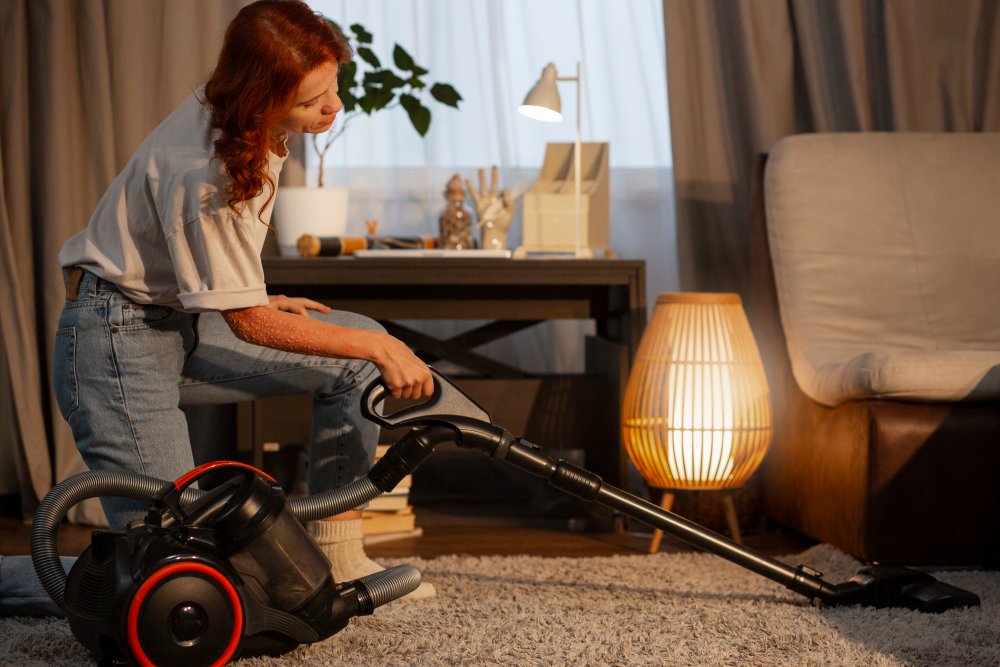
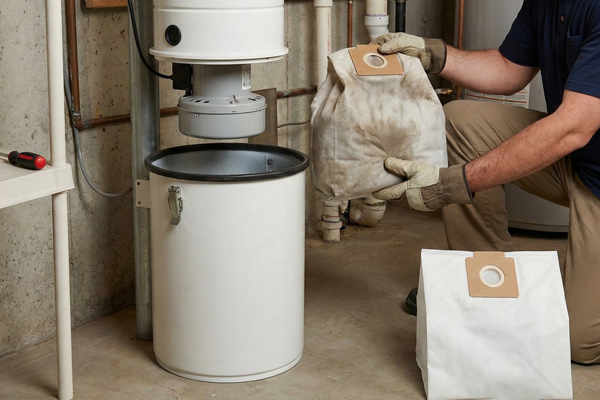 Maintenance tips:
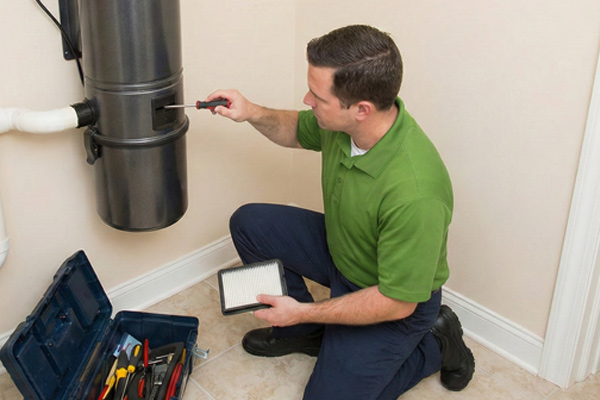 Preventative steps: