
Broward: 954-341-4323
Palm Beach: 561-558-0770

MEGA SHOWROOM:
9853 W. Sample Rd,
Coral Springs, FL 33065
HOURS: M-F: 9am-6pm SAT: 10am-4pm

Category: Modern Homes

Explore how central vacuum systems fit into modern homes with cleaner design, built-in convenience, quieter operation, and improved indoor air quality. This category highlights solutions that support today’s lifestyles and home cleaning needs.

  • Why South Florida Sand Is Tough on Vacuums in Pompano Beach Homes

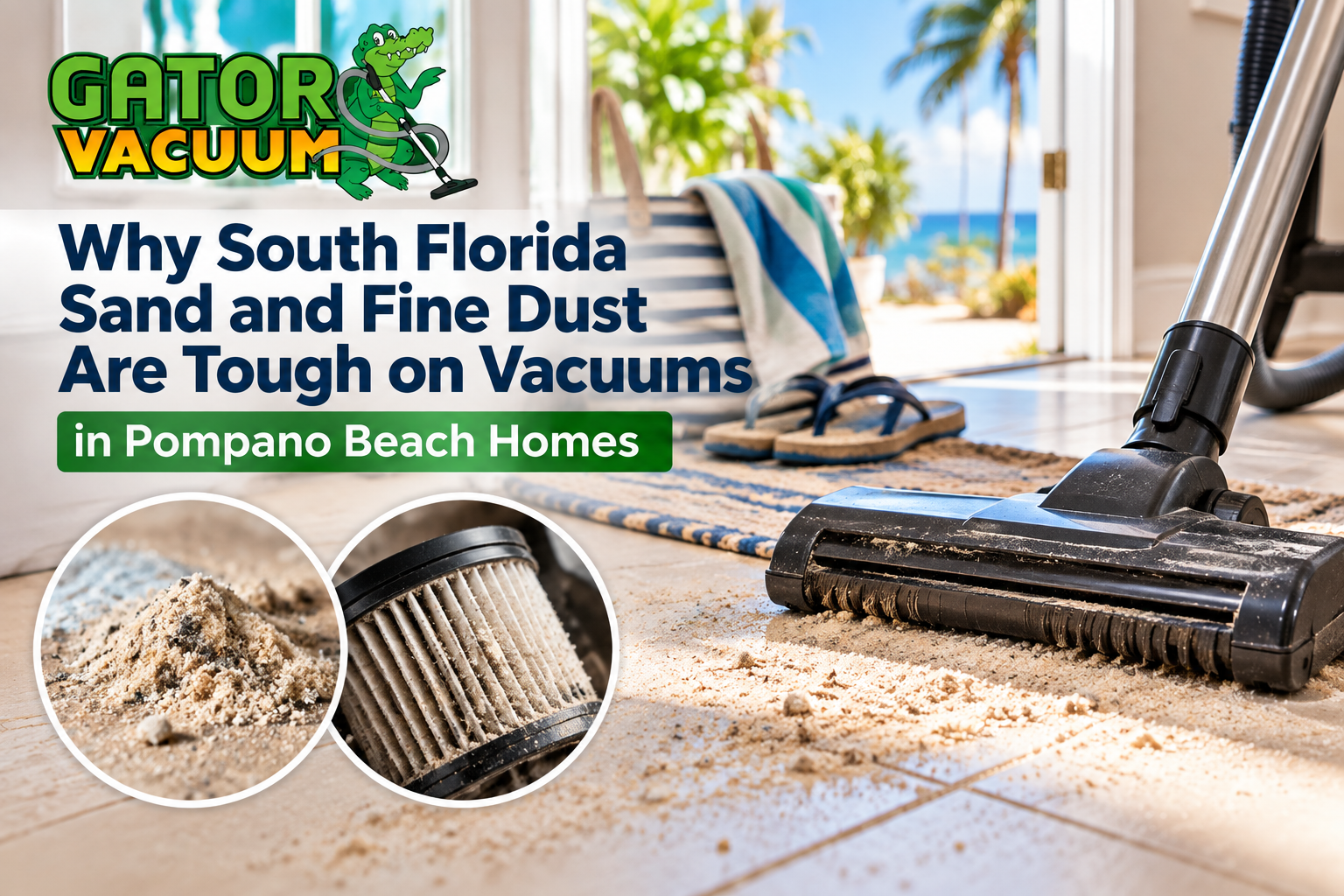
    Why South Florida Sand Is Tough on Vacuums in Pompano Beach Homes

    Why South Florida Sand and Fine Dust Are Tough on Vacuums in Pompano Beach Homes

    If you live in Pompano Beach, you already know that sand has a way of getting everywhere.

    It comes home from the beach on shoes, towels, beach bags, clothing, and pets. It gets tracked in from the garage, pool deck, patio, and backyard. Even when you don’t live directly on the beach, South Florida’s outdoor lifestyle means your vacuum may be dealing with far more sand and fine dust than the average household vacuum was designed to handle.

    That constant exposure can take a toll on your vacuum.

    Sand can collect in brush rolls, bags, dirt containers, hoses, and filters. Fine dust can restrict airflow and cause a vacuum to lose performance. When sand is mixed with pet hair, carpet fibers, and everyday household dirt, your vacuum may have to work even harder.

    Understanding how South Florida sand affects your vacuum can help you choose the right equipment and know when routine maintenance is needed.

    Sand Doesn’t Stay at the Beach

    One of the biggest challenges for Pompano Beach homeowners is simply how easily sand travels.

    A trip to the beach doesn’t have to involve walking through the house with sandy feet for sand to end up indoors. Small particles can cling to shoes, clothing, towels, bags, and pets.

    The same thing happens around other outdoor areas of the home.

    Pool decks, patios, garages, driveways, screened porches, and outdoor entertaining areas can all introduce dirt and fine particles into the house.

    Over time, that debris collects in the places where you spend the most time.

    That’s why some Pompano Beach homeowners may find themselves vacuuming more frequently than they expected.

    Why Fine Dust Can Be a Problem

    Large pieces of debris are usually easy for a vacuum to collect. Fine dust is different.

    Very small particles can move through the vacuum’s airflow and accumulate on filters. As the filter becomes loaded with dust, airflow can become restricted.

    When airflow drops, the vacuum may not pick up debris as effectively.

    You might notice:

    • The vacuum doesn’t seem as powerful

    • Sand is left behind after cleaning

    • You need to make multiple passes

    • The vacuum sounds different

    • The filter becomes dirty quickly

    • The machine appears to run hotter

    • Cleaning takes longer than it used to

    A dirty filter isn’t always the only possible cause of reduced suction, but it is one of the first things worth checking.

    Sand Can Fill Your Vacuum Faster Than You Think

    Sand is heavy compared with ordinary household dust.

    If you’re regularly vacuuming sand from tile floors, entryways, rugs, and other areas, the vacuum’s bag or dirt container can fill faster than it would in a home with less outdoor debris.

    This is especially important for homeowners who wait until a bag is completely full before changing it.

    Depending on the vacuum, a full or heavily loaded bag can affect airflow and cleaning performance.

    Bagless machines require their own maintenance routine. Dirt containers need to be emptied, and filters may need to be cleaned or replaced according to the manufacturer’s recommendations.

    The important thing is to monitor the vacuum rather than assuming it can continue operating at peak performance indefinitely.

    Sand and Your Vacuum’s Brush Roll

    The brush roll is another component that can take a beating from frequent sand pickup.

    When a powered brush roll is operating on carpet or rugs, it is constantly making contact withdebris. Sand can work into areas around the brush roll while hair, string, and fibers can wrap around it.

    For homes with pets, this can become an even bigger issue.

    A brush roll may end up dealing with a combination of:

    • Sand

    • Pet hair

    • Human hair

    • Carpet fibers

    • Threads

    • Dust

    • Larger pieces of debris

    Over time, buildup can interfere with the brush roll’s ability to spin properly.

    Checking and cleaning the brush roll regularly is one of the easiest ways to help prevent unnecessary problems.

    Tile Floors Need the Right Vacuum Attachment

    Pompano Beach homes often have tile and other hard flooring because these surfaces are practical for Florida living.

    But cleaning sand from tile isn’t always as simple as it looks.

    Fine sand can settle into grout lines, collect around baseboards, and gather underneath furniture. A vacuum that is excellent on carpet isn’t necessarily the best tool for every hard-floor surface.

    That’s where the right attachment becomes important.

    A dedicated bare-floor tool can help collect fine dust and larger particles while allowing the vacuum to move smoothly across hard flooring.

    If your home has mostly tile with a few area rugs, you may want a vacuum system that can transition easily between those surfaces rather than relying on one attachment for everything.

    What About Area Rugs?

    Area rugs can hide sand surprisingly well.

    Instead of remaining on top of the floor, particles can work down between rug fibers. Walking across the rug can push them even deeper.

    A vacuum with appropriate agitation can help loosen this debris so the vacuum can collect it.

    However, different rugs require different cleaning approaches. A powerful brush roll may be useful for some rugs and inappropriate for others.

    If your home contains tile, delicate area rugs, carpet, or multiple flooring types, choosing the right combination of vacuum and attachments is important.

    Pets Can Bring Even More Sand Indoors

    For many Pompano Beach homeowners, pets are part of the sand problem.

    Dogs in particular can bring sand into the house after walks, trips to the beach, time around the pool, or playing outdoors.

    Once that sand mixes with pet hair, vacuum maintenance becomes even more important.

    Pet hair can wrap around a brush roll while sand and fine dust collect throughout the vacuum. A vacuum designed for pet hair and equipped with appropriate attachments can make frequent cleanup easier.

    If you have pets and live in a home with a lot of hard flooring, a combination of a good bare-floor tool and a pet-focused attachment may be particularly useful.

    Don’t Forget About Your Central Vacuum System

    Central vacuum systems can be an excellent option for larger homes, but they still require maintenance.

    If you’re frequently picking up sand and fine dust, pay attention to the condition of the central vacuum’s bag or dirt container and filters.

    The hose and floor attachments should also be checked if you notice a sudden decrease in pickup.

    A clog doesn’t necessarily mean the main power unit has failed.

    Sometimes the problem is in the hose, wand, floor tool, inlet, or tubing.

    If only one inlet has poor suction, the problem may be localized. If suction is weak throughout the home, the power unit, filter, bag, tubing, or other components may need to be inspected.

    How Pompano Beach Homeowners Can Reduce Vacuum Wear

    You don’t have to eliminate every grain of sand from your home. Instead, a few simple habits can reduce how much work your vacuum has to do.

    Put Mats at Exterior Doors

    Good entry mats can catch some sand and dirt before it reaches the rest of the house.

    Consider mats near doors leading from garages, patios, pool areas, and other outdoor spaces.

    Create a Shoe-Free Area

    Shoes can carry a surprising amount of sand indoors. Keeping shoes near the entrance can help reduce the amount of outdoor debris reaching your floors.

    Shake Out Beach Towels Outside

    Beach towels can hold a lot of sand. Shaking them out outdoors before bringing them into the house can keep a significant amount of debris off your floors.

    Check the Vacuum Regularly

    Don’t wait for the vacuum to stop working before performing basic maintenance.

    Check the:

    • Filter

    • Bag or dirt container

    • Brush roll

    • Belt

    • Hose

    • Floor attachments

    • Wheels

    • Electrical cord

    Small maintenance issues are generally easier to address before they become larger problems.

    What Should You Look for When Buying a Vacuum for Sand?

    If you’re replacing an older vacuum, think about the environment where you’ll be using it.

    For a Pompano Beach home, useful features may include effective filtration, good airflow, appropriate dirt capacity, easy maintenance, and attachments designed for different flooring types.

    You may also want to consider:

    Strong Filtration

    Fine dust requires effective filtration. A vacuum that can maintain good airflow as it collects fine particles can be helpful in homes that see a lot of dust and sand.

    Easy Filter Maintenance

    Filters eventually collect dust. Look for a vacuum where routine filter maintenance is straightforward and replacement filters are readily available.

    Appropriate Floor Tools

    If your home has tile, hardwood, rugs, and carpet, look for a system with tools designed for those different surfaces.

    Good Dirt Capacity

    If you vacuum frequently, a larger bag or dirt container can reduce how often you have to stop and empty the machine.

    Pet Attachments

    If pets are part of the household, consider a vacuum with tools designed to handle pet hair.

    Replacement Parts

    A vacuum is easier to maintain when replacement bags, filters, belts, brushes, and other parts are readily available.

    When Sand Pickup Becomes a Vacuum Problem

    Frequent sand pickup is normal in South Florida, but repeated performance problems shouldn’t be ignored.

    If your vacuum suddenly has weak suction, makes unusual noises, smells like it’s overheating, or repeatedly clogs, it may be time to have it checked.

    The same applies if your vacuum is leaving noticeable amounts of sand behind even after multiple passes.

    A professional vacuum inspection can help determine whether the problem is a clogged hose, dirty filter, worn belt, brush-roll issue, airflow restriction, or another mechanical problem.

    For central vacuum systems, professional service can also help identify problems with the power unit, tubing, inlets, hoses, and attachments.

    Gator Vacuum & Sewing Can Help

    South Florida living is hard on vacuums. Between beach sand, pool areas, patios, pets, shoes, garages, and fine household dust, your vacuum may see considerably more use than you realize.

    The good news is that the right vacuum and the right maintenance routine can make a big difference.

    Gator Vacuum & Sewing helps homeowners with vacuum sales, parts, bags, filters, attachments, maintenance, and repairs. Whether you’re looking for a vacuum that can handle tile and rugs, need better tools for pet hair and sand, or have a central vacuum system that isn’t performing the way it should, getting the right equipment can make every day cleaning much easier.

    If sand seems to be taking over your Pompano Beach home—or your vacuum is struggling to keep up—stop by Gator Vacuum & Sewing for help finding the right cleaning solution for your floors and lifestyle.
    Sand and fine dust can put extra stress on filters, brush rolls, hoses, and other vacuum components. If your machine is losing suction or leaving sand behind even after routine maintenance, our vacuum repair services can help identify the underlying problem.
    A vacuum that runs hotter, clogs frequently, or struggles with fine debris may have an airflow restriction or worn component. Gator Vacuum & Sewing provides professional vacuum repair in Pompano Beach for homeowners dealing with sand, dust, pet hair, and performance issues.
    If cleaning the filter, emptying the bag, and checking the brush roll do not restore performance, professional inspection may be the next step. Visit our vacuum repair service page to learn more about repair options for upright, canister, and central vacuum systems.
  • Vacuum Brush Roll Not Spinning? Powerhead Problems in Davie

    Vacuum Brush Roll Not Spinning? Powerhead Problems in Davie

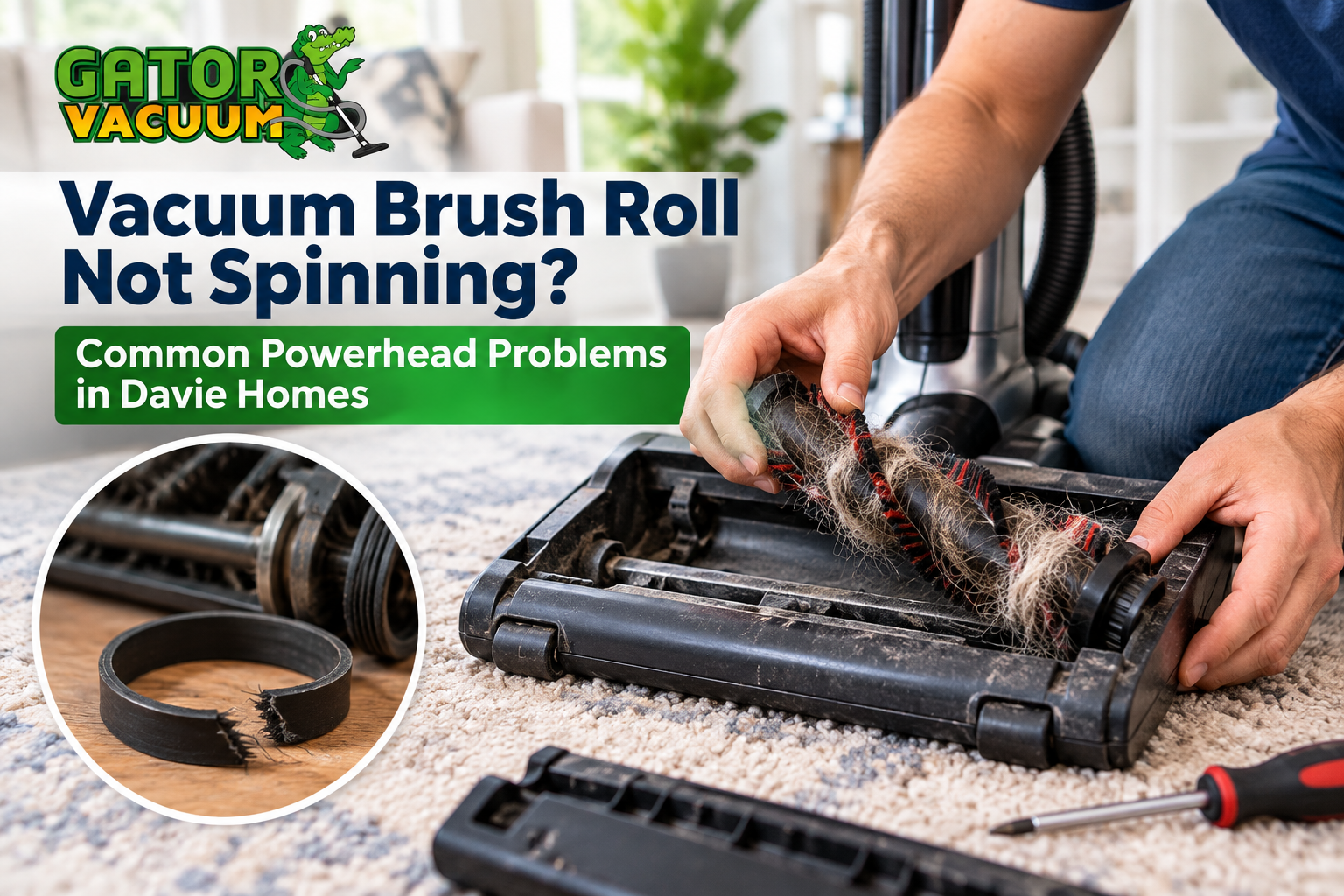
    Vacuum Brush Roll Not Spinning? Common Powerhead Problems in Davie Homes

    If your vacuum still has strong suction but your carpet suddenly is not getting clean, the problem may not be the vacuum motor or central vacuum system at all. In many cases, the real culprit is the powerhead brush roll.

    A vacuum powerhead is designed to do more than simply move across the floor. The rotating brush roll, powered by a separate motor or belt system depending on the powerhead design, agitates carpet fibers and helps loosen dirt, pet hair, dust, and debris so the vacuum can remove it more effectively.

    When the vacuum brush roll stops spinning, your vacuum may continue to run and still have excellent suction. However, cleaning performance can drop dramatically, especially on carpet.

    For homeowners in Davie, Florida, understanding the most common powerhead problems can help you determine whether your vacuum needs a simple cleaning, a replacement part, or professional vacuum repair.

    At Gator Vacuum & Sewing, we help homeowners troubleshoot and repair vacuum cleaners, central vacuum accessories, powerheads, hoses, and related components. If your powerhead has stopped working properly, the issue may be easier to fix than you think.

    What Does the Brush Roll Do?

    The brush roll is one of the most important components inside a powered vacuum head.

    As you push the powerhead across carpet, the brush roll spins rapidly. Bristles, agitators, or brush strips work their way through the carpet fibers to loosen debris. The vacuum’s suction then carries that loosened debris through the airflow system.

    This combination of agitation and suction is especially important for:

    • Carpeted bedrooms

    • Living rooms

    • Area rugs

    • Pet hair

    • Ground-in dirt

    • Fine debris trapped between carpet fibers

    • High-traffic areas

    When the brush roll stops spinning, the vacuum may sound like it is operating normally. You may even notice that the suction at the hose is still strong.

    But if the brush roll is not rotating, the powerhead is not doing its part.

    That is why one of the most common complaints we hear is:

    “My vacuum has suction, but it isn’t picking up the dirt like it used to.”

    In many cases, the powerhead is the first place to investigate.

    1. Hair and Debris Wrapped Around the Brush Roll

    One of the simplest—and most common—reasons a brush roll stops spinning is hair buildup.

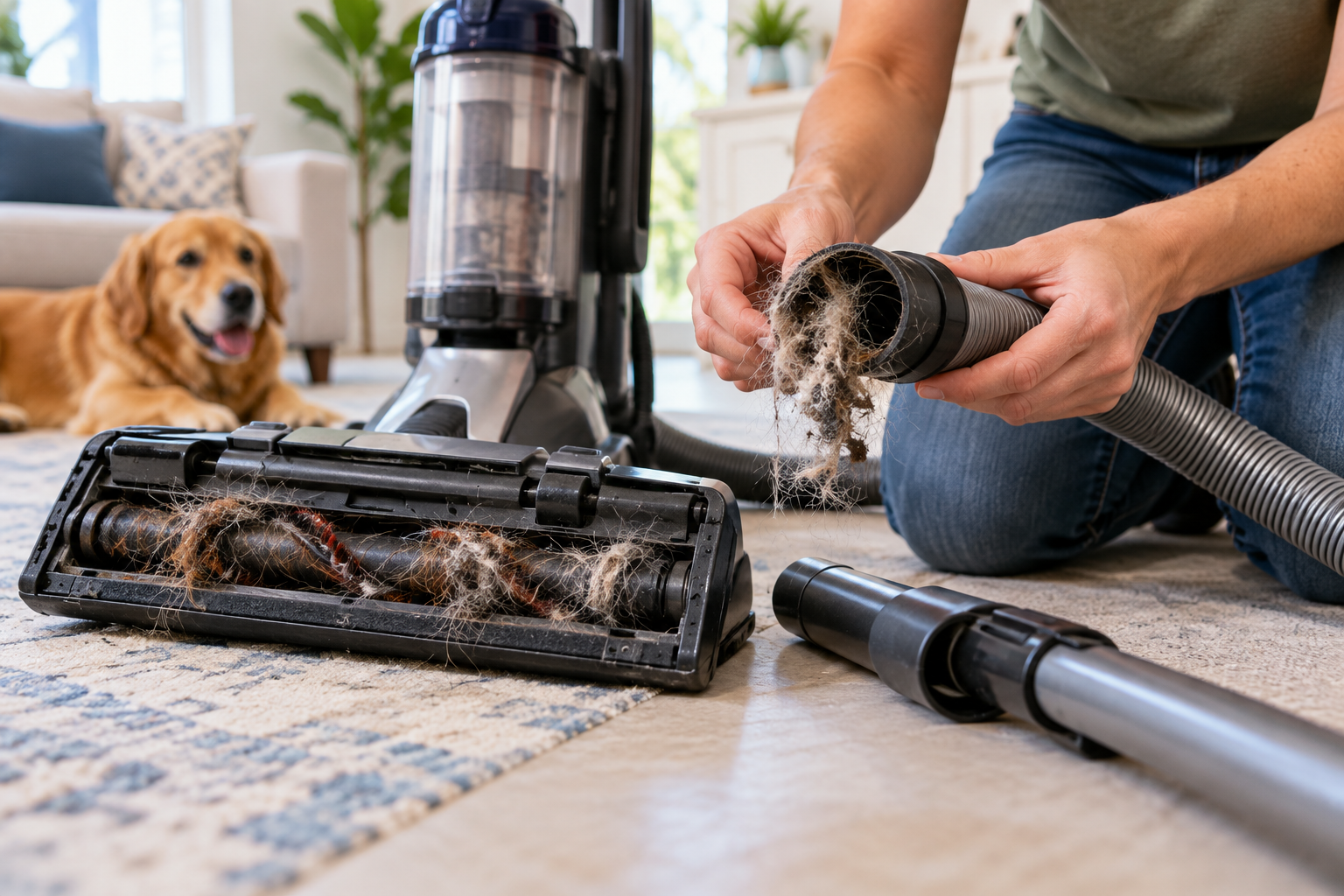
    Long hair, pet hair, thread, string, carpet fibers, and other debris can become tightly wrapped around the ends of the brush roll. Over time, the buildup can create enough resistance to slow the brush roll or stop it completely.

    This is particularly common in homes with:

    • Dogs

    • Cats

    • Long-haired family members

    • Multiple pets

    • High-pile carpeting

    Hair may also wrap around the brush-roll bearings or end caps rather than simply collecting in the middle of the brush.

    If the brush roll is difficult to turn by hand when the powerhead is disconnected from the vacuum, debris may be preventing it from moving properly.

    Regularly checking and cleaning the brush roll can help prevent unnecessary wear.

    However, if the brush roll has already become damaged or the bearings have seized, cleaning alone may not solve the problem.

    2. A Stretched or Broken Powerhead Belt

    Some powered vacuum heads use a belt to transfer power from the motor to the brush roll.

    Over time, belts can stretch, crack, become brittle, or break.

    A stretched belt may allow the brush roll to turn, but not at the proper speed. In other cases, the brush roll may start spinning and then stop when it encounters resistance from carpet.

    A completely broken belt will usually result in a brush roll that does not move at all.

    You may hear the powerhead motor running while the brush remains stationary.

    That is a classic indication that the powerhead belt may be broken, stretched, or slipping.

    Replacing the belt can sometimes restore the powerhead to proper operation. However, it is important to use the correct belt for the specific powerhead. Installing the wrong belt can result in poor performance or premature failure.

    3. Worn Brush Roll Bearings

    The brush roll needs to rotate smoothly.

    At each end of the brush roll are components that allow it to rotate. Depending on the design, these may include bearings, bushings, end caps, or other supports.

    Over time, these components can wear out.

    When a brush-roll bearing begins to fail, you may notice:

    • A grinding sound

    • A squealing noise

    • Increased vibration

    • A brush roll that turns unevenly

    • The brush roll becoming difficult to turn

    • The powerhead shutting down when the brush encounters carpet

    A worn bearing can also put additional stress on the belt and powerhead motor.

    If you continue using the powerhead while the brush roll is binding, you may turn what could have been a relatively simple repair into a larger problem.

    4. Electrical Connection Problems

    Powered vacuum heads require electricity to operate the brush-roll motor.

    Depending on your vacuum system, power may travel through the hose, wand, electrical contacts, wiring, or connections inside the powerhead.

    A poor electrical connection can cause intermittent operation.

    For example, your powerhead may:

    • Work sometimes and stop other times

    • Start when the handle is moved into a certain position

    • Stop when the hose or wand moves

    • Have no brush-roll motor activity

    • Work briefly and then shut off

    Dirty, worn, loose, or damaged electrical contacts can interfere with the flow of electricity.

    This is one reason it is important not to immediately assume that a failed brush roll means the entire powerhead needs to be replaced.

    The problem could be an electrical connection, switch, wiring issue, or another replaceable component.

    5. A Failed Powerhead Switch

    Many powered vacuum heads have a switch that controls the brush-roll motor.

    A worn switch can eventually fail due to repeated use.

    If the switch no longer makes reliable electrical contact, the brush roll may not turn even though the vacuum itself continues to operate.

    A switch problem may be more likely if the powerhead has been used frequently for many years.

    You may notice that the powerhead works intermittently or that the brush roll starts and stops unexpectedly.

    Before replacing the entire powerhead, it can be worthwhile to have the switch and electrical circuit inspected.

    6. Powerhead Motor Problems

    The brush roll is typically driven by a motor inside the powerhead.

    Like any electric motor, it can eventually wear out.

    A failing powerhead motor may produce unusual noises, become excessively hot, operate intermittently, or fail to run at all.

    Motor problems can sometimes be caused by excessive resistance from a jammed brush roll. If hair and debris prevent the brush from rotating, the motor may have to work much harder than it was designed to.

    Over time, this additional load can contribute to motor wear.

    If the brush roll is clean, the belt is intact, the electrical connections appear normal, and the switch is functioning, the motor may need further testing.

    Depending on the powerhead, replacing the motor or another internal component may be possible.

    7. The Brush Roll Itself May Be Worn Out

    Sometimes the problem isn’t that the brush roll has stopped spinning.

    Instead, the brush roll may be spinning but no longer cleaning effectively.

    Brush strips and bristles wear down over time. The brush roll can also become damaged, bent, cracked, or worn at the ends.

    When the bristles become significantly worn, they may no longer agitate carpet effectively.

    This can be especially noticeable in homes with heavy carpet traffic.

    You may find that:

    • The brush roll spins but doesn’t pick up embedded debris

    • Carpet doesn’t look as clean after vacuuming

    • Pet hair remains behind

    • The vacuum needs multiple passes over the same area

    • The brush roll appears visibly worn

    Replacing a worn brush roll may restore the cleaning performance of the powerhead without requiring replacement of the entire unit.

    8. The Powerhead May Be Clogged

    While most people think about clogs inside the vacuum hose, the powerhead itself can also become obstructed.

    Debris can accumulate around the brush roll, intake opening, belt area, or other internal passages.

    A clog can restrict airflow and increase the load on the brush-roll system.

    If your powerhead suddenly becomes louder, stops spinning, or begins overheating, inspect it for visible obstructions.

    Always disconnect the powerhead from the vacuum system before attempting to remove debris or inspect moving components.

    How to Tell What Is Wrong With Your Powerhead

    If your vacuum brush roll is not spinning, start with a few basic observations.

    Check #1: Is the vacuum itself running?

    If the vacuum motor is running and you still have suction, the issue may be isolated to the powerhead.

    Check #2: Is the brush roll completely stationary?

    If the powerhead motor is running but the brush roll isn’t moving, a belt or mechanical problem may be responsible.

    Check #3: Does the brush roll turn freely?

    With the powerhead disconnected, carefully check whether the brush roll can rotate normally.

    If it is difficult to turn, look for wrapped hair, debris, or possible bearing problems.

    Check #4: Do you hear unusual noises?

    Grinding, squealing, clicking, or burning smells can indicate a mechanical or electrical problem.

    Check #5: Does the powerhead work intermittently?

    Intermittent operation can point toward a switch, electrical connection, wiring, or motor problem.

    Should You Replace the Powerhead or Repair It?

    This is a common question from homeowners.

    The answer depends on the condition and design of the powerhead.

    If the powerhead housing, motor, and major components are in good condition, replacing a belt, brush roll, switch, bearing, or other individual component may be a practical repair.

    However, if multiple components have failed or the powerhead is severely worn, replacement may make more sense.

    A professional inspection can help determine which option provides the best value.

    At Gator Vacuum & Sewing, we can help you identify the source of the problem and determine whether you need a vacuum powerhead repair, replacement brush roll, belt, electrical component, or complete powerhead replacement.

    Don’t Ignore a Powerhead That Has Stopped Spinning

    It can be tempting to continue using a vacuum when the brush roll stops working because the vacuum still has suction.

    But suction alone does not provide the same carpet-cleaning action as a properly functioning powered brush roll.

    A powerhead that is struggling to turn can also place additional stress on its belt, motor, bearings, and other components.

    Addressing the problem early may help prevent additional damage.

    For Davie homeowners, getting the right replacement part can also be important. Vacuum powerheads are not universal, and different models can use different brush rolls, belts, motors, electrical connections, and switches.

    That is why identifying the exact powerhead and vacuum model is an important part of the repair process.

    Professional Vacuum Powerhead Repair in Davie

    When your vacuum brush roll is not spinning, don’t assume that your entire vacuum cleaner has failed.

    The problem may be as simple as tangled hair or a broken belt. It could also involve worn bearings, a faulty switch, electrical connections, a damaged brush roll, or a failing powerhead motor.

    The good news is that many powerhead problems can be diagnosed and repaired without replacing the entire vacuum system.

    Gator Vacuum & Sewing serves homeowners looking for help with vacuum repair, central vacuum accessories, powerheads, replacement parts, and related vacuum problems in Davie and surrounding South Florida communities.

    If your vacuum still has suction but your carpets aren’t getting clean, the brush roll and powerhead should be one of the first places to look.

    Whether you need a replacement brush roll, belt, powerhead component, or professional troubleshooting, getting the problem diagnosed correctly can help restore your vacuum’s cleaning performance and extend the life of your equipment.

    Is your vacuum brush roll not spinning? Bring your powerhead or vacuum to Gator Vacuum & Sewing for help identifying the problem and finding the right repair or replacement solution.

    If your vacuum has strong suction but the brush roll still is not spinning, the issue may be inside the powerhead rather than the main vacuum motor. Gator Vacuum & Sewing provides professional vacuum repair services for problems involving belts, brush rolls, motors, switches, and electrical connections.

    A powerhead that stops spinning, works intermittently, or makes unusual noises can sometimes be repaired without replacing the entire vacuum. Our vacuum repair in Davie service can help identify whether the problem is caused by hair buildup, a worn belt, damaged bearings, or another component.

    If basic cleaning does not restore the brush roll, it may be time for a professional inspection. Visit our vacuum repair service page to learn more about troubleshooting and repair options for vacuum cleaners, powerheads, and related components.

  • Vacuum Keeps Clogging? Common Causes & Fixes in Coral Springs

    Vacuum Keeps Clogging? Common Causes & Fixes in Coral Springs

    Why Does My Vacuum Keep Clogging? A Coral Springs Troubleshooting Guide

    If your vacuum keeps clogging, clearing the blockage only to have the problem return a few minutes, days, or weeks later, there may be more going on than a piece of debris stuck in the hose. Recurring vacuum clogs can be caused by pet hair, oversized debris, dirty filters, blocked hoses or wands, poorly fitting attachments, and restricted airflow.

    For Coral Springs homeowners, frequent clogging can become especially frustrating when you rely on your vacuum to keep up with pets, children, tile, hardwood, carpeting, and everyday household messes. Understanding what is causing the repeated blockage can help you determine whether the problem is simple maintenance or a sign that your vacuum needs professional repair.

    At Gator Vacuum & Sewing, we help homeowners troubleshoot and repair vacuum cleaners and central vacuum systems. If your vacuum continues to clog after you’ve cleared the obvious blockage, our technicians can inspect the machine and identify the underlying problem.

    Why Does My Vacuum Keep Clogging?

    A vacuum should be able to move dirt and debris through its airflow system without repeatedly becoming blocked. When clogging happens over and over, something may be restricting that airflow or causing debris to collect where it shouldn’t.

    Some of the most common causes include:

    • Excessive pet hair

    • Large or oversized debris

    • Dirty or clogged filters

    • Blocked vacuum hoses

    • Obstructions in the wand

    • Clogged brush rolls or floor heads

    • Attachments that do not fit properly

    • Airflow restrictions

    • Internal blockages

    • Damaged or deteriorated vacuum components

    The first step is finding out where the blockage is occurring.

    1. Pet Hair Can Cause Recurring Vacuum Clogs

    Pet owners often deal with more frequent vacuum blockages. Dog and cat hair can collect inside hoses, wands, brush rolls, and floor attachments, especially when large amounts of hair are picked up at once.

    Long pet hair can wrap around a brush roll rather than traveling smoothly through the vacuum. Hair can also combine with dust, lint, and other debris to create a dense obstruction.

    If you have pets and your vacuum repeatedly clogs, check the brush roll and floor head for wrapped hair. Make sure the hose and wand are also free of accumulated debris.

    Regularly removing hair from the brush roll can help prevent larger blockages from developing.

    2. Oversized Debris May Be Blocking the Air Path

    Vacuum cleaners are designed to pick up dirt, dust, crumbs, hair, and other appropriately sized debris. They aren’t designed to swallow everything that happens to be on the floor.

    Small toys, paper, tissues, socks, plastic pieces, leaves, and other larger objects can become lodged inside a hose or wand.

    This is particularly common when vacuuming quickly or when children or pets have left objects on the floor.

    Before vacuuming, look for larger objects that could be accidentally pulled into the machine. If something has already become lodged inside the hose, continuing to run the vacuum can sometimes compact the obstruction farther into the airway.

    3. A Dirty Filter Can Reduce Airflow

    A vacuum filter that is heavily loaded with dust and debris can restrict airflow. When air cannot move through the vacuum properly, the machine may lose suction and become more prone to clogging.

    Check your vacuum’s filter according to the manufacturer’s maintenance recommendations. Depending on the model, the filter may need to be cleaned, washed, replaced, or serviced periodically.

    It’s important to use the correct filter for your particular vacuum. A filter that is damaged, incorrectly installed, or excessively dirty can affect the way the entire vacuum operates.

    If you’ve cleaned or replaced the filter but the vacuum still has poor airflow and repeatedly clogs, the filter may not be the actual source of the problem.

    4. Check the Vacuum Hose for Obstructions

    A blocked hose is one of the first things to check when a vacuum suddenly loses suction or repeatedly clogs.

    Disconnect the hose and inspect both ends. Look for visible debris and listen for unusual airflow restrictions. Hair, paper, toys, and compacted dirt can become lodged farther inside the hose where they aren’t immediately visible.

    A central vacuum hose can present a similar problem. If the power unit operates but suction at the hose is weak, there may be a blockage somewhere between the hose, wall inlet, tubing, or power unit.

    Do not assume the power unit is defective simply because the system isn’t picking up properly. The obstruction could be somewhere in the airflow path.

    5. Don’t Forget the Wand

    The wand is another common location for a blockage.

    If your vacuum uses a wand between the hose and floor attachment, disconnect the components and inspect the wand separately. A long, narrow wand can trap debris that is difficult to see from the outside.

    If suction is strong at the hose but becomes weak after the wand or floor attachment is connected, that can help narrow down where the restriction is located.

    Testing each section individually is often more useful than repeatedly running the complete vacuum and hoping the blockage clears itself.

    6. Check the Floor Head and Brush Roll

    Sometimes what looks like a hose clog is actually a blockage in the floor head.

    Hair, string, carpet fibers, and debris can accumulate around the brush roll. In some cases, the brush roll can become so packed with material that airflow and cleaning performance are affected.

    Inspect the underside of the floor head and remove accumulated debris. If the brush roll doesn’t rotate properly, makes unusual noises, or appears damaged, the problem may require more than routine cleaning.

    A damaged brush roll, belt, bearing, or other floor-head component can affect how well the vacuum moves debris through the cleaning path.

    7. Poorly Fitting Attachments Can Affect Airflow

    Vacuum attachments should fit securely and create a proper connection. If an attachment, wand, hose, or floor tool doesn’t fit correctly, air can escape from the connection.

    An attachment that is loose, cracked, damaged, or incorrectly matched to the vacuum can interfere with normal airflow.

    This can sometimes create a confusing situation where the vacuum appears to have a clog because cleaning performance is poor, when the actual issue is an airflow leak or improper connection.

    Check each connection point for cracks, looseness, damaged seals, or components that don’t seatproperly.

    8. Reduced Airflow Is an Important Clue

    Repeated clogging and reduced airflow often go hand in hand.

    If your vacuum is making an unusual sound, losing suction, overheating, or becoming clogged in the same location repeatedly, pay attention to the pattern. The location of the blockage can provide useful information about what’s happening inside the machine.

    For example, if the vacuum repeatedly clogs at the floor head, the problem may involve the brush roll or cleaning head. If the hose repeatedly becomes blocked, there could be an issue with the type of debris being picked up or an airflow restriction farther down the system.

    If the machine has poor suction everywhere, the cause may be more extensive.

    What If I Keep Clearing the Same Clog?

    If you clear a blockage and the exact same problem keeps happening, it’s worth looking beyond the debris itself.

    Repeated clogging can indicate:

    • A damaged or restricted hose

    • A blockage farther inside the vacuum

    • A dirty or incorrectly installed filter

    • A problem with the brush roll

    • An airflow restriction

    • A damaged attachment

    • A problem with the vacuum’s internal airflow system

    • A component that isn’t operating correctly

    At that point, repeatedly clearing the clog may only be treating the symptom.

    When Should You Have Your Vacuum Professionally Inspected?

    Not every vacuum clog requires a repair technician. Many simple blockages can be resolved at home with routine cleaning and maintenance.

    However, professional vacuum repair may be appropriate if:

    • Your vacuum repeatedly clogs after being thoroughly cleaned

    • Suction remains weak after clearing the hose

    • The vacuum overheats

    • You notice unusual noises or odors

    • The brush roll isn’t operating correctly

    • The same area repeatedly becomes blocked

    • The vacuum shuts off during use

    • The machine has poor airflow even with a clean filter

    • You suspect an internal obstruction

    • Your central vacuum system has weak suction at multiple inlets

    A technician can inspect the vacuum’s airflow path and components to determine whether the problem is a simple blockage or something requiring repair.

    What About Central Vacuum Systems?

    Recurring clogs can also happen with central vacuum systems.

    Because central vacuums use wall inlets and tubing installed throughout the home, a blockage isn’t necessarily located in the hose. An obstruction can occur at an inlet, inside the tubing, at a connection point, or near the power unit.

    If one central vacuum inlet has poor suction while other inlets work normally, that can provide an important clue that the restriction is localized.

    If every inlet has reduced suction, the problem may be closer to the power unit, filter, collection container, or main airflow system.

    Professional central vacuum repair can help locate restrictions that aren’t easily accessible to the homeowner.

    How to Help Prevent Vacuum Clogs

    A few simple maintenance habits can reduce the chance of recurring blockages.

    Empty the Vacuum Regularly

    Don’t allow the dirt container or bag to become excessively full. Follow your vacuum manufacturer’s recommendations for emptying or replacing it.

    Clean the Brush Roll

    If you have pets, inspect the brush roll regularly for hair, string, and carpet fibers.

    Maintain the Filter

    Clean or replace filters as recommended for your specific vacuum model.

    Avoid Vacuuming Large Objects

    Pick up toys, paper, plastic, clothing, and other oversized objects before vacuuming.

    Inspect Hoses and Wands

    If your vacuum’s suction suddenly changes, check the hose and wand before assuming the motor has failed.

    Use the Correct Attachments

    Make sure accessories are designed for your vacuum and fit securely.

    Don’t Let a Recurring Clog Turn Into a Bigger Vacuum Problem

    A single clog is usually just a maintenance issue. A vacuum that repeatedly clogs, loses airflow, overheats, or stops cleaning properly deserves more attention.

    If you’ve already cleared the hose, cleaned the filter, checked the brush roll, and inspected the attachments but your vacuum still keeps clogging, there may be an underlying airflow or mechanical problem.

    Gator Vacuum & Sewing provides vacuum repair and central vacuum service for homeowners in Coral Springs and surrounding South Florida communities. Our technicians can help diagnose recurring clogs, suction problems, airflow restrictions, and other vacuum issues.

    If your vacuum keeps clogging and you’re tired of clearing the same blockage over and over, bring it to Gator Vacuum & Sewing for professional troubleshooting and repair.

    Frequently Asked Questions About Vacuum Clogs

    Why does my vacuum keep clogging with pet hair?

    Pet hair can accumulate around the brush roll, inside hoses, and throughout the cleaning path. Long hair can also combine with dust and debris to create dense blockages. Regular brush-roll cleaning and filter maintenance can help, but persistent clogging may indicate an airflow restriction or component problem.

    Why does my vacuum lose suction after it gets clogged?

    A blockage restricts the movement of air through the vacuum. Even after removing the visible debris, additional material may remain farther inside the hose, wand, floor head, or internal airflow path.

    Why does my central vacuum keep clogging?

    Central vacuum systems can develop blockages in the hose, wall inlet, tubing, or near the power unit. If only one inlet has weak suction, the restriction may be localized. If suction is weak throughout the home, the problem may involve the main system.

    Can a dirty filter cause a vacuum to clog?

    Yes. A heavily loaded filter can restrict airflow and reduce vacuum performance. Follow the manufacturer’s instructions for cleaning or replacing the filter.

    When should I take my vacuum to a repair shop?

    Consider professional inspection if your vacuum continues to clog after routine maintenance, has persistent low suction, overheats, makes unusual noises, shuts off unexpectedly, or repeatedly develops a blockage in the same location.

    How can I prevent my vacuum from clogging?

    Empty the bag or dirt container regularly, maintain the filter, clean pet hair from the brush roll, remove large objects before vacuuming, and periodically inspect the hose, wand, and floor attachment for debris.

    Where can I get vacuum repair in Coral Springs?

    Gator Vacuum & Sewing provides vacuum repair services in Coral Springs and the surrounding area. If your vacuum has a recurring clog or another problem that basic maintenance isn’t resolving, professional troubleshooting can help identify the cause.

    If your vacuum continues to clog even after you’ve checked the hose, filter, and brush roll, the problem may require a closer inspection. Our vacuum repair services can help identify airflow restrictions, worn components, and other issues that basic cleaning may not resolve.

    A vacuum that repeatedly loses suction, overheats, or develops the same clog may be dealing with more than routine debris buildup. Gator Vacuum & Sewing offers professional vacuum repair in Coral Springs to diagnose the underlying cause and help restore proper performance.

    If you’ve already tried basic troubleshooting and the problem keeps returning, professional service can save you from repeatedly clearing the same blockage. Visit our vacuum repair service page to learn more about repair options for upright, canister, and other vacuum systems.

  • Smart Vacuum Technology: How Robot Vacuums Are Changing Home Cleaning

    Smart Vacuum Technology: How Robot Vacuums Are Changing Home Cleaning

    The Future of Home Cleaning Technology

    Vacuuming has evolved dramatically from bulky machines and manual adjustments. Today, smart vacuum technology is transforming how homes stay clean, making the process more efficient, automated, and effortless than ever before. From intelligent sensors to fully autonomous robot vacuums, innovation is redefining what modern home cleaning looks like.

    Homeowners researching upgrades often start by exploring professional vacuum systems and home cleaning solutions to compare technologies, features, and installation options.

    Let’s explore how AI vacuums and connected devices are shaping the future of smart home cleaning.

    What Is a Smart Vacuum?

    A smart vacuum is designed to think, adapt, and respond to its environment. Unlike traditional models, smart vacuums use sensors, software, and connectivity to optimize cleaning performance with minimal user effort.

    Key characteristics include:

    • Automated navigation and mapping
    • App and voice control
    • Adaptive suction and cleaning modes
    • Scheduling and real-time monitoring

    These features allow homeowners to maintain cleaner spaces with less hands-on time and more consistent results.

    Why Are Robot Vacuums Becoming So Popular?

    One of the biggest breakthroughs in vacuum technology is the widespread adoption of robot vacuums. These compact devices clean autonomously while you focus on work, family, or relaxation.

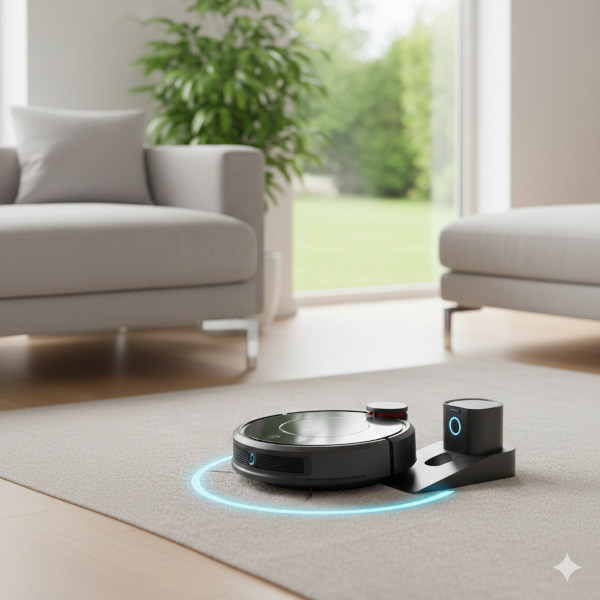
    Modern Smart Robo -vacuum Docking StationWhy robot vacuums are so popular:

    • Clean floors while you’re away
    • Navigate around furniture and obstacles
    • Recharge automatically when needed
    • Maintain daily cleanliness with minimal effort

    Robot vacuums are ideal for routine maintenance, especially in busy households and smart homes. Many homeowners pair them with built-in systems, and it helps to understand the benefits of central vacuum systems for whole-home cleaning when planning a layered cleaning strategy.

    How AI Vacuums Learn and Adapt

    AI-powered vacuums use machine learning and advanced sensors to improve cleaning performance over time.

    They can:

    • Recognize high-traffic areas
    • Detect floor types and adjust suction automatically
    • Avoid obstacles and fragile objects
    • Optimize cleaning paths for efficiency

    This intelligent adaptability results in faster cleaning, reduced energy use, and better overall coverage across different floor surfaces.

    How Do Smart Vacuums Fit Into a Smart Home?

    Modern smart vacuums are designed to work seamlessly within connected homes.

    Common integrations include:

    • Smartphone apps for remote control and scheduling
    • Voice assistants like Alexa or Google Home
    • Real-time notifications and cleaning reports

    As smart home ecosystems grow, cleaning becomes a background task—handled quietly and consistently without interrupting daily life.

    For homeowners building or upgrading a system, reviewing vacuum installation accessories and system components can help ensure compatibility, performance, and long-term reliability.

    Convenience Meets Performance

    Modern vacuum technology focuses not just on automation, but also on cleaning quality.

    Advanced features include:

    • Self-emptying dust bins
    • HEPA-level filtration
    • Precision edge and corner cleaning
    • Multi-surface adaptability

    These innovations ensure smart vacuums don’t just clean more often—they clean better.

    Are Smart Vacuums Replacing Traditional Vacuums?

    While smart vacuums excel at daily maintenance, they work best alongside traditional or central vacuum systems for deep cleaning tasks.

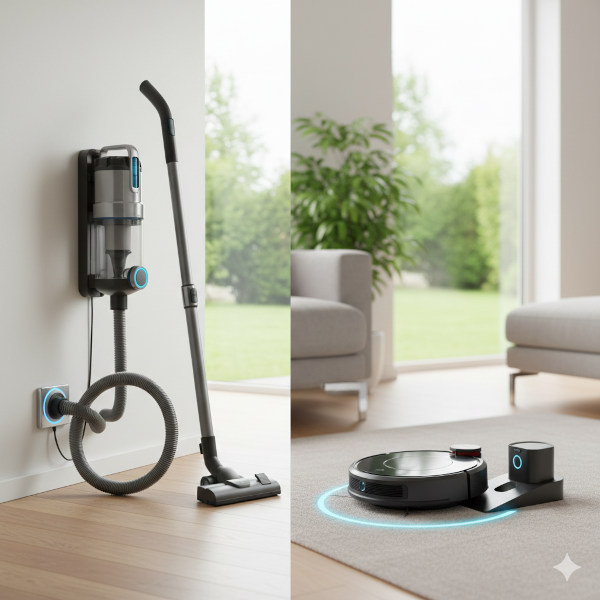
    Central Vacuum vs Robot Vacuum ComparisonSmart vacuums are ideal for:

    • Daily dust and debris removal
    • Pet hair maintenance
    • Keeping floors clean between deep cleans

    Many homeowners use robot vacuums as part of a layered cleaning strategy for optimal results and long-term cleanliness.

    Choosing the Right Vacuum System for Your Home

    Every home has different cleaning needs depending on flooring, pets, square footage, and daily activity. Homeowners researching long-term solutions often consider a combination of robot vacuums for daily maintenance and built-in systems for deeper cleaning and improved air quality.

    If you’re comparing options or planning an upgrade, reviewing central vacuum systems and installation guidance can help you understand what works best for different home layouts and cleaning routines.

    The Future of Vacuum Technology

    As innovation continues, smart vacuums are becoming even more intuitive and efficient.

    Emerging trends include:

    • Improved object recognition
    • Enhanced AI-driven customization
    • Better integration with whole-home systems
    • Increased energy efficiency

    The future of home cleaning is automated, intelligent, and increasingly hands-free.

    Frequently Asked Questions About Smart Vacuums

    Are robot vacuums powerful enough to replace traditional vacuums?

    Robot vacuums are excellent for daily maintenance, dust, and pet hair, but most homeowners still rely on traditional or central vacuum systems for deep cleaning and heavy debris.

    Do smart vacuums work well in larger homes?

    Modern robot vacuums use mapping and navigation to clean larger floor plans efficiently. Many models can recharge and resume cleaning automatically, making them practical for bigger spaces.

    What is the advantage of a central vacuum system over portable vacuums?

    Central vacuum systems typically provide stronger suction, quieter operation, and improved indoor air quality because debris is collected away from living areas. Many homeowners use them together with robot vacuums for a complete cleaning approach.

    Final Thoughts: A Smarter Way to Clean

    The vacuum revolution is already underway. Smart vacuums, robot vacuums, and AI-powered technology are changing home cleaning by making it easier, more efficient, and more convenient than ever before.

    For homeowners looking to simplify routines and embrace innovation, smart vacuum technology offers a glimpse into the future of smart home cleaning—quietly working in the background, keeping every corner ready for whatever life tracks in next.

  • Central Vacuuming for Pet Owners: Tips, Tricks, and the Best Tools

    Central Vacuuming for Pet Owners: Tips, Tricks, and the Best Tools

    Central Vacuuming for Pet Owners: Tips, Tricks, and the Best Tools

    Pets bring joy, companionship—and plenty of hair. For dog and cat owners, keeping floors, furniture, and air clean can feel like a never-ending task.

    The good news? A central vacuum system is one of the most effective solutions for removing pet hair and maintaining a cleaner, healthier home. With the right tools and expert advice from professionals like Gator Vacuum, a central vacuum can dramatically reduce fur, dander, and odors.

    Why Central Vacuums Are Ideal for Pet Owners

    Unlike portable units that often clog or lose suction as the bin fills, pet-friendly central vacuum systems move dirt, hair, and allergens completely away from living spaces. This means less hair floating in the air and fewer allergens settling back onto surfaces.

    According to the experts at Gator Vacuum, brands like Drainvac are particularly well-suited for pet owners due to their exceptional power and hybrid filtration options. Key benefits include:

    • Strong, consistent suction that pulls embedded pet hair out of carpets better than standard uprights.
    • Reduced recirculation of dander and allergens, improving indoor air quality.
    • Quieter operation, which is less stressful for pets sensitive to loud motor noises.

    Use the Right Attachments for Pet Hair

    The right tools make all the difference when tackling fur on different surfaces. Standard floor brushes often just push hair around, but specialized tools are designed to lift and capture it.

    Best Central Vacuum Attachments for Pet Hair

    Must-have attachments for pet owners include:

    Motorized power heads for deep cleaning carpets.

    Turbo brushes for removing hair from stairs, upholstery, and pet beds.

    Crevice tools for reaching baseboards, corners, and tight furniture seams.

    Gator Vacuum recommends checking your attachments regularly, as using the wrong tool can actually cause hair to tangle and block airflow.

    Tackle High-Traffic Pet Areas Regularly

    Pet hair tends to collect in specific spots—near entryways, favorite sleeping areas, and feeding stations. Effective strategies include:

    • Vacuuming high-traffic pet areas several times a week.
    • Focusing on rugs, furniture, and stairs where fur clings stubbornly.
    • Emptying the dirt canister before it becomes overfilled to maintain peak suction.

    Groom Pets to Reduce Hair at the Source

    One of the best cleaning tips starts before you even turn on the vacuum. Regular grooming significantly reduces the amount of hair shed around your home. As noted in Gator Vacuum’s guide on preventing pet hair damage, catching loose fur at the source is the most effective way to protect your machine.

    Dog Brushing

    Helpful grooming habits:

    Brush pets frequently, especially during shedding seasons.

    Use deshedding tools when appropriate.

    Bathe pets as recommended for their breed.

    Maintain Your Central Vacuum for Peak Performance

    Pet hair is tough on vacuum motors. To keep your system working efficiently, regular maintenance is essential. Neglecting this can lead to overheating or clogs that shorten the life of your unit.

    Maintenance tips from Gator Vacuum:

    • Check filters every 3-6 months: Pet hair can quickly clog standard filters. You can find specialized replacement filters designed to handle heavy dander loads.
    • Inspect hoses and inlets: Hair can clump in the bends of hoses; stretch them out and check for blockages regularly.
    • Clear brush rollers: Remove tangled hair from your power heads to prevent belt breakage.

    If you are unsure about the condition of your system, Gator Vacuum offers a Central Vacuum Yearly Tune-Up to ensure your unit is handling the extra “pet load” without issue.

    Cleaner Homes, Happier Pets

    For households with pets, a central vacuum offers unmatched convenience and performance. With the right attachments and a few smart habits, these systems make removing pet hair easier, faster, and more effective.

    Whether you’re upgrading an old system or installing a new one, consulting with experts like Gator Vacuum ensures you get the right machine to handle your furry friends.

  • How to Choose the Right Central Vacuum for Your Flooring: Carpet, Hardwood, or Tile

    How to Choose the Right Central Vacuum for Your Flooring: Carpet, Hardwood, or Tile

    Choosing the right central vacuum system isn’t just about raw power-it’s about matching the system and attachments to your flooring type. Whether your home has plush carpet, sleek hardwood, or durable tile, the right vacuum setup can dramatically improve cleaning efficiency, protect your floors, and enhance indoor air quality.

    At Gator Vacuum, we are experts in central vacuum sales, repair, parts, and installation and are here to help homeowners select the best system and accessories for every surface. From central vacuum systems to the right attachment kits, we’ll walk you through how flooring type impacts your choice and performance.

    Why Flooring Type Matters When Choosing a Central Vacuum

    Different flooring materials trap dirt differently. Carpet fibers hold debris deep below the surface while hardwood and tile floors require powerful – yet gentle – suction to avoid scratching or scattering dust.

    A high-quality central vacuum system paired with the right tool kit ensures:

    • More effective dirt removal
    • Longer floor lifespan
    • Quieter operation than portable systems
    • Better overall cleaning results

    Explore central vacuum options on our Central Vacuums section to find systems that match your flooring needs.

    Best Central Vacuum for Carpeted Floors

    Carpet requires strong, consistent agitation to lift dirt, pet hair, and allergens embedded deep in fibers.

    A person using a central vacuum powerhead attachment to deep clean a plush beige carpet in a sunlit living room.Key Features to Look For

    • Motorized powerhead for deep carpet cleaning
    • Adjustable height settings for varied pile levels
    • Strong airflow (CFM) to lift debris efficiently
    • Stiff brush bristles to loosen embedded dirt

    If your home has wall-to-wall carpet or pets, choose a system with a performance powerhead — available in our attachment kits and accessories. Consider linking to specific powerhead or accessory pages once those are live on the site.

    Best Central Vacuum for Hardwood Floors

    Hardwood floors need powerful suction without aggressive agitation that could scratch or dull finishes.

    Using a central vacuum floor brush to gently clean dust and debris from polished hardwood flooring in a residential hallway.Key Features to Look For

    • Soft-bristle or felt-lined floor brush
    • Brush roll shutoff or suction-only mode
    • Wide cleaning path for large areas

    For hardwood and other delicate surfaces, look for systems with dedicated hard floor tools found in our vacuum filters & accessories catalog or by searching the Gator Vacuum product menu.

    Best Vacuum for Tile and Stone Floors

    Tile and stone floors often trap debris in grout lines and texture surfaces.

    A powerful central vacuum system cleaning ceramic tile floors in a kitchen, showing the canister unit on the floor.Key Features to Look For

    • Strong suction power
    • Hard floor brush with stiff but non-abrasive bristles
    • Edge-cleaning capability

    A central vacuum with a tile-specific floor brush excels at clearing grout and edges without damaging surfaces.

    Best Vacuums for Mixed Flooring Homes

    If your home includes carpet, hardwood, and tile, versatility is key.

    What to Look For in Multi-Floor Central Vac Systems

    • Interchangeable attachments for each floor type
    • Electric powerhead + dedicated tools
    • Variable suction control
    • Quick-release hose and wand systems

    Many of the best systems available at GatorVacuum.com are designed for mixed-floor homes, often bundled with premium accessory kits.

    For more on recommended accessories and parts visit:Vacuum Filters & Accessories.

    Additional Features to Consider

    These extra features improve cleaning performance and convenience:

    • HEPA filtration for better air quality
    • Quiet operation (common with central vacuum setups)
    • Large debris capacity
    • Long hose reach for larger homes

    Final Thoughts: Choosing the Right Central Vacuum

    Selecting the right system begins with understanding your flooring types. A powerful motorized head is essential for carpet, gentle tools protect hardwood, and strong suction with tile-optimized heads suits tile and stone. For homes with varied surfaces, investing in versatile attachments ensures the most efficient cleanliness for every room.

    Explore our selection of central vacuum systems, parts, and accessories on GatorVacuum.com to find the right configuration for your floors.

  • Best Central Vacuum Brands Reviewed: 2025 Edition

    Best Central Vacuum Brands Reviewed: 2025 Edition

    When it comes to keeping your home clean, not all vacuums are created equal. While upright and cordless vacuums are convenient, nothing beats the cleaning power, convenience, and long-term value of a central vacuum system. These built-in solutions have been gaining popularity for decades, and in 2025, they remain one of the top upgrades for modern homes.

    At Gator Vacuum & Sewing, we’ve worked with thousands of homeowners across South Florida to install, service, and repair central vacuum systems. Based on our years of experience, we’ve created this comprehensive buyer’s guide to help you choose the best central vacuum brand for your home in 2025.

    We’ll review the top brands-Drainvac, NuTone, and Beam-and break down key factors like upright vs central vacuums, cordless vac alternatives, and pet hair vacuum performance.

    Why Choose a Central Vacuum Over Upright or Cordless Models?

    Before reviewing brands, let’s settle one of the most common questions: Why central vacuums instead of traditional upright or cordless vacs?

    Upright vs Central Vacuums

    • Upright vacuums are portable and affordable but wear out quickly (average lifespan: 3–5 years).
    • They tend to lose suction over time and often recirculate dust into the air.
    • Central vacuums, on the other hand, are built into the home, offering 3–5x more suction power and a lifespan of 20+ years with proper maintenance.

    Cordless Vacuums vs Central Vacuums

    Cordless vacuums are popular because of their lightweight design, but they aren’t built for whole-home cleaning.

    • Batteries typically run for 20-45 minutes.
    • Dust containers are small and need constant emptying.
    • Suction power is significantly weaker.

    Central vacuums are the clear winner for homeowners who want power, longevity, and cleaner air quality.

    The Best Central Vacuum Brands of 2025

    Now let’s dive into the top central vacuum brands that continue to set the standard in 2025:

    1. Drainvac – Power & Innovation

    If you’re looking for maximum performance, Drainvac is one of the most advanced options available. Known for their automatic drain technology, some models connect directly to your plumbing system, eliminating the need to manually empty the dirt canister.

    Highlights:

    • Exceptional suction power (great for large homes).
    • Perfect for pet hair vacuums-handles fur and dander with ease.
    • Allergy-friendly models with superior filtration.
    • Long-lasting and low maintenance.

    Best for: Large homes, pet owners, and families who want a premium, hassle-free system.

    2. NuTone – Affordable Reliability

    NuTone has long been a trusted brand in the central vacuum industry. Their systems are budget-friendly while still offering solid performance, making them an excellent choice for homeowners upgrading to central vacuums for the first time.

    Highlights:

    • Lower upfront cost compared to premium brands.
    • Good range of models to fit different home sizes.
    • Easy integration into existing homes.
    • Trusted reputation in the home improvement market.

    Best for: Homeowners who want a reliable system at a reasonable price point.

    3. Beam – Quiet & Family-Friendly

    Beam is another household favorite, widely known for its whisper-quiet operation and high-efficiency filtration. These systems are especially popular in homes where allergies are a concern.

    Highlights:

    • Quiet performance-great for families and pets.
    • Powerful suction with HEPA filtration for cleaner air.
    • Durable construction and long product lifespan.
    • Accessories designed for versatility (stairs, hardwood, cars, etc.).

    Best for: Families, allergy sufferers, and anyone who values quiet performance.

    Central Vacuums vs Pet Hair Vacuums

    Pet owners know the struggle: fur in the carpets, on the couch, and floating through the air. While many companies market “pet hair vacuums,” portable models rarely deliver the deep-cleaning power needed for households with multiple pets.

    Central vacuums-especially Drainvac and Beam-excel in this area because:

    • They offer stronger suction for stubborn fur.
    • They come with specialized pet hair attachments.
    • They vent fine particles outside the living space, reducing odors and dander.

    If you’re tired of battling pet hair daily, investing in a central vacuum can be a game-changer.

    Comparison Chart: Drainvac vs NuTone vs Beam

    BrandDrainvacNuToneBeam
    Suction PowerExcellentGoodVery Good
    Noise LevelVery QuietModerateQuiet
    Filtration/Allergy ReliefExcellentGoodExcellent
    Pet Hair PerformanceExcellentFairVery Good
    Ease of MaintenanceHighEasyEasy
    Lifespan20+ years15+ years20+ years
    Price Range(Premium)(Affordable)(Mid-to-High)

    Buyer’s Checklist: How to Choose the Right Central Vacuum

    Before purchasing, here are key factors to consider:

    1. Home Size – Larger homes require more powerful systems like Drainvac. Smaller homes may do well with Beam or NuTone.
    2. Noise Sensitivity – If you prefer a quiet home, Beam is one of the best options.
    3. Pets & Allergies – Drainvac and Beam offer superior filtration and power for handling fur and allergens.
    4. Budget – NuTone provides affordable reliability without compromising performance.
    5. Maintenance Preferences – Want less upkeep? Drainvac’s auto-drain systems minimize hands-on maintenance.

    FAQs About Central Vacuum Systems

    Q: How long do central vacuums last?
    With proper care, most systems last 20 years or more-far longer than portable vacuums.

    Q: Can I install one in an existing home?
    Yes! At Gator Vacuum, we specialize in retrofitting older homes with central vacuum systems.

    Q: Do central vacuums increase home value?
    Absolutely. Like smart home upgrades or luxury finishes, central vacuums are a premium feature that helps your home stand out.

    Q: How often do I need to empty the canister?
    Usually 2–4 times a year. Drainvac’s auto-drain models handle this automatically.

    Q: Are they good for pet owners?
    Yes. Central vacuums are among the best pet hair vacuums thanks to their strong suction and outdoor venting.

    Final Thoughts: Choose a Top Brand for 2025

    Central vacuums are more than cleaning tools-they’re lifestyle upgrades. Compared to upright and cordless vacuums, they deliver stronger suction, cleaner air, longer lifespan, and even a boost in property value.

    For 2025, the top central vacuum brands we recommend are:

    • Drainvac – Best for innovation, power, and pet owners.
    • NuTone – Best for affordability and first-time central vacuum buyers.
    • Beam – Best for families, quiet performance, and allergy relief.

    At Gator Vacuum & Sewing, we proudly carry, install, and service all major central vacuum brands. Whether you’re upgrading your current system or installing a new one, our experts are here to help you choose the right solution for your home.

    Ready to discover the difference a central vacuum can make? Contact Gator Vacuum & Sewing today for expert advice and installation services.

  • Central Vacuum Repair in Palm Beach County

    Central Vacuum Repair in Palm Beach County

    Central Vacuum Repair Across Palm Beach County

    From Boca Raton to Jupiter, homeowners throughout Palm Beach County depend on central vacuum systems for easier, healthier cleaning. But when your system breaks down, you need an experienced repair company that knows the local community. That’s why Gator Vacuum has been the trusted choice for over three decades.

    Why Palm Beach County Relies on Gator Vacuum

    • Service Across the County – Whether you’re in Delray Beach, Wellington, West Palm Beach, or Palm Beach Gardens, we’ve got you covered.
    • All Brands Repaired – We service every major brand, including older discontinued systems.
    • Affordable Repairs – Save money with professional repair instead of buying a new system.
    • Experienced Team – Our technicians bring 30+ years of expertise to every job.

    Common Repairs We Handle in Palm Beach County

    • Suction loss or weak airflow
    • Filter cleaning and replacement
    • Broken pipes or clogged inlets
    • Motor issues and overheating
    • Hose and attachment repairs
    • Electrical wiring fixes

    Emergency Repairs Available Countywide

    No matter where you’re located in Palm Beach County, our team can provide emergency central vacuum repair to get your system back in working order quickly.

    Tune-Up Specials for Long-Term Savings

    Routine service helps prevent costly breakdowns. Our tune-up specials include full inspections, filter cleaning, motor checks, and pipe maintenance-keeping your central vacuum working efficiently year after year.

    Final Thoughts

    If you’re searching for central vacuum repair in Palm Beach County, Gator Vacuum is your one-stop solution. With countywide coverage, emergency services, and affordable tune-up options, we make sure your home stays clean, fresh, and allergen-free.

  • Central Vac vs Upright Vac: Which Should You Choose?

    Central Vac vs Upright Vac: Which Should You Choose?

    When it comes to cleaning your home, the type of vacuum you choose can make all the difference in convenience, efficiency, and even long-term costs. Many homeowners ask the question: “Should I invest in a central vacuum or stick with a traditional upright vacuum?”

    In this guide, we’ll break down central vacuum vs upright vacuum systems in detail, along with comparisons like cordless vs central vacuum and bagless vs bagged options. To make things even easier, we’ll include a comparison chart so you can see the differences at a glance.

    By the end, you’ll know which vacuum is the right fit for your home and lifestyle.

    What Is a Central Vacuum System?

    A central vacuum system is a built-in cleaning solution that uses hidden piping throughout your home. Inlets are installed in walls, and a hose is plugged into these inlets to vacuum. The suction is powered by a motorized unit typically located in a garage, basement, or utility room. Dust and debris are collected in a central canister.

    Pros of Central Vacuums:

    • Stronger suction compared to uprights
    • Quieter operation since the motor is outside living spaces
    • Improves indoor air quality by venting particles outside
    • Requires less frequent emptying (every few months)
    • Can increase property value

    Cons of Central Vacuums:

    • Higher upfront installation cost
    • Hose storage can be cumbersome without retractable systems
    • Not portable-limited to the home it’s installed in

    What Is an Upright Vacuum?

    An upright vacuum is the most common household vacuum style. The motor, filtration system, and dust container are all in one upright unit, making it easy to move around and store. Uprights are available in corded and cordless models, as well as bagged and bagless versions.

    Pros of Upright Vacuums:

    • Lower cost upfront
    • Portable and versatile for quick cleanups
    • Wide range of options and price points
    • No installation required

    Cons of Upright Vacuums:

    • Less suction power compared to central systems
    • Louder due to the motor being inside the unit
    • Needs frequent emptying and filter changes
    • Shorter lifespan than central vacuums

    Central Vacuum vs Upright Vacuum: Comparison Chart

    Here’s a side-by-side breakdown to help you compare:

    FeatureCentral VacuumUpright Vacuum
    Power & SuctionStrong, consistent suctionGood, but weaker than central
    Noise LevelQuiet (motor in garage/basement)Louder (motor inside the unit)
    ConvenienceHose + lightweight attachmentsEasy to grab and use anywhere
    InstallationRequires professional or DIY installNo installation needed
    MaintenanceEmpty canister every few monthsEmpty bag/bin often
    Air QualityDust vented outside or sealed unitDust may recirculate indoors
    Lifespan15–20 years5–8 years on average
    Cost$1,200–$3,500+ installed$150–$800 (premium up to $1,200)
    Home Value ImpactAdds resale valueNo added value

    Cordless vs Central Vacuum

    Another common comparison is cordless vs central vacuum. Many people love cordless vacuums for their portability, especially in smaller spaces. But when compared to a central vacuum, the differences are clear:

    Cordless Vacuum Pros:

    • Lightweight and portable
    • Great for quick cleanups
    • Ideal for apartments or small homes

    Cordless Vacuum Cons:

    • Limited battery life (usually 30-60 minutes per charge)
    • Less suction power
    • Smaller dust bins need frequent emptying
    • Shorter lifespan

    Central Vacuum Advantages Over Cordless:

    • Unlimited run time (powered by house electricity)
    • Significantly more suction power
    • Larger canister means less frequent emptying
    • Better for whole-house cleaning, especially large spaces

    If you have a small home or need a quick-clean solution, cordless is convenient. But for large homes and deep cleaning, central vacuums are far more efficient.

    Bagless vs Bagged Vacuums

    When considering bagless vs bagged systems, both central vacuums and uprights offer these options.

    Bagged Vacuums:

    • Use disposable bags to collect dust
    • Cleaner to empty (dust sealed in bag)
    • Ideal for allergy sufferers
    • Ongoing cost of replacement bags

    Bagless Vacuums:

    • Use built-in bins that you empty manually
    • No recurring bag cost
    • Can be messy to empty and clean
    • May release dust back into the air

    Central Vacuums & Filtration:
    Most central vacuums use a large canister that needs emptying only every 3–6 months. Many are designed with HEPA filters or vent dust outdoors, making them superior to portable vacuums for allergy control.

    Which One Is Right for You?

    Choosing between central vacuum vs upright vacuum comes down to your lifestyle, budget, and home size.

    Central Vacuum Is Best For:

    • Large homes with multiple levels
    • Families with pets or allergies
    • Homeowners looking for long-term convenience
    • People planning to stay in their home for many years
    • Those who want to increase home resale value

    Upright Vacuum Is Best For:

    • Small to medium homes
    • Budget-conscious buyers
    • Renters or those who move frequently
    • People who prefer portability
    • Households needing quick, frequent cleanups

    Real-Life Scenarios

    • Pet Owners: A central vacuum is ideal since it provides stronger suction for pet hair and dander, while keeping allergens out of the air.
    • Apartment Living: An upright or cordless vacuum makes more sense since there’s no space for a central system and no long-term property investment.
    • Busy Families: A central vacuum with multiple inlets makes whole-house cleaning fast and efficient.
    • Elderly Homeowners: Central vacuums are lighter to use since only a hose and attachments are carried, unlike heavy uprights.

    Final Thoughts

    The choice between a central vacuum vs upright vacuum isn’t always simple-it depends on your home, cleaning needs, and budget. Uprights and cordless models are affordable, portable, and easy to use, making them perfect for smaller homes or quick cleanups. But for homeowners looking for long-term power, cleaner air, and added home value, central vacuums are a clear winner.

    If you’re considering the investment, weigh your priorities carefully. Think about whether cordless vs central vacuum convenience outweighs whole-house power, and whether bag-less vs bagged systems fit your lifestyle.

    At the end of the day, both systems can keep your home clean-it’s about finding the vacuum that works best for you.

  • 7 Surprising Benefits of Central Vacuum Systems for Modern Homes

    7 Surprising Benefits of Central Vacuum Systems for Modern Homes

    7 Surprising Benefits of Central Vacuum Systems for Modern Homes

    When it comes to home upgrades, most people think about kitchens, bathrooms, or smart home features. But there’s one hidden upgrade that delivers huge returns in cleanliness, convenience, and even property value: the central vacuum system.

    At Gator Vacuum & Sewing, we’ve been serving South Florida homeowners for decades, and one thing we hear repeatedly is this: once people experience the difference of a central vacuum, they can’t imagine going back to traditional portable vacuums.

    So, are central vacuums worth it? Absolutely. Let’s dive into seven surprising central vacuum benefits that make them one of the smartest investments for modern homes.

    1. Central Vacuums Are Absolutely Worth It

    The first question many homeowners ask is: “Are central vacuums worth it?” While the initial cost may be higher than a store-bought upright vacuum, the long-term value is undeniable.

    • More power: Central vacuums deliver far stronger suction than portable models.
    • Longevity: With proper care, central vacuums can last 20 years or more.
    • Ease of use: No more dragging heavy equipment up and downstairs.

    At Gator Vacuum & Sewing, we’ve installed thousands of systems across Coral Springs, Boca Raton, Fort Lauderdale, and surrounding cities. Homeowners consistently tell us the same thing: the investment pays off in both convenience and quality of life.

    If you’re curious about what’s possible, explore our central vacuum installation services to see how we can design a system tailored for your home.

    2. Increase Home Value

    Did you know that a central vacuum can make your home more appealing to buyers? Just like granite countertops or hardwood floors, a central vacuum system is considered a luxury feature that adds sophistication and functionality.

    • Realtors often highlight central vacuums as a selling point.
    • Buyers see it as a premium upgrade they won’t have to install themselves.
    • A home equipped with a central vacuum stands out in today’s competitive South Florida market.

    In other words, if you’re planning to sell in the future, this is one upgrade that can help increase home value while giving you years of use in the meantime. Learn more about how central vacuums add resale value on our site.

    3. Allergy Relief and Cleaner Indoor Air

    If someone in your home struggles with allergies or asthma, a central vacuum system can make a life-changing difference.

    Traditional vacuums often blow fine particles like dust, pollen, and pet dander back into the room through their exhaust. But a central vacuum system vents these particles completely out of the living area, usually to the garage or outside.

    That means:

    • Cleaner indoor air for the entire family.
    • Reduced allergy symptoms for sensitive individuals.
    • Better sleep and wellness, thanks to a healthier environment.

    At Gator Vacuum, many of our customers tell us this was the number one reason they switched—and they noticed an immediate difference. Discover how central vacuums improve air quality and overall home health.

    4. Whisper-Quiet Cleaning

    Let’s be honest: vacuuming with a traditional upright can sound like a jet engine. Central vacuums eliminate that issue because the motor is located in a garage, utility room, or basement.

    Inside the home, all you hear is a gentle whoosh of air through the hose. That makes it possible to:

    • Clean while children nap.
    • Vacuum without scaring pets.
    • Tidy up while others watch TV or work from home.

    For families with busy schedules and shared spaces, this is a huge lifestyle upgrade. Check out our central vacuum bags and filters page for refills when needed.

    5. Everyday Convenience

    Forget hauling around bulky vacuums, tripping over cords, or hunting for outlets. With a central vacuum system, you simply plug a lightweight hose into wall inlets, and you’re ready to go.

    Modern systems even offer:

    • Retractable hoses that store neatly in the wall.
    • Specialized tools for cars, stairs, hardwood floors, and upholstery.
    • Quick-clean sweep inlets where you can sweep dirt directly into a wall vent without even using a hose.

    The ease and speed of cleaning are some of the biggest reasons families say central vacuums are worth it. See the latest innovations on our central vacuum products page.

    6. Long-Term Durability and Cost Savings

    Here’s another central vacuum benefit: they last a very long time. While portable vacuums are often worn out every few years, central vacuums can easily last two decades with basic maintenance.

    Plus:

    • The large dirt canisters only need to be emptied a few times a year.
    • The motor and filtration systems are designed for heavy-duty use.
    • You save money by not having to constantly replace disposable vacuums.

    Over the lifespan of your home, this makes central vacuums one of the most cost-effective cleaning solutions available. For expert tune-ups or parts, visit our central vacuum repair and maintenance page.

    7. Built for Modern Homes

    Today’s homes are bigger, smarter, and busier than ever. A central vacuum system is designed to keep up.

    From handling open floor plans and high ceilings to cleaning garages, cars, and outdoor spaces, these systems adapt to your needs. With Gator Vacuum’s installation expertise, we can design a system tailored specifically to your home-whether you live in a condo, townhouse, or single-family house.

    Explore our Why Central Vacuums page to see how we make it easy to integrate a system in any type of home.

    Final Thoughts: Why Gator Vacuum & Sewing?

    When you add it all up-allergy relief, increased home value, quiet cleaning, and long-lasting durability-it’s clear that central vacuum systems are one of the smartest home upgrades available.

    At Gator Vacuum & Sewing, we don’t just sell and install central vacuums. We’ve been trusted in South Florida for over 30 years, providing expert service, maintenance, and repairs. From Coral Springs to Fort Lauderdale, Boca Raton to Tamarac, our family-owned business is here to make your home cleaner, healthier, and more valuable.

    Ready to upgrade? Contact us today for a free consultation or estimate.