
Broward: 954-341-4323
Palm Beach: 561-558-0770

MEGA SHOWROOM:
9853 W. Sample Rd,
Coral Springs, FL 33065
HOURS: M-F: 9am-6pm SAT: 10am-4pm

Category: Service Areas

Gator Vacuum serves customers throughout South Florida with central vacuum repair, maintenance, installation guidance, vacuum product support, and sewing machine sales and repair. Browse our local service-area articles for helpful tips, troubleshooting advice, brand support, and location-specific vacuum services near you.

  • Sewing Machine Tune-Up Checklist for Tamarac and Coconut Creek Sewers

    Sewing Machine Tune-Up Checklist for Tamarac and Coconut Creek Sewers

    Whether you are a hobby sewer, quilter, embroidery enthusiast, or someone finally pulling a sewing machine out of the closet after months of sitting unused, regular maintenance plays a major role in keeping your machine sewing smoothly. Many common sewing problems start with simple issues like lint buildup, worn needles, dried lubrication, or tension imbalance.

    At Gator Vacuum and Sewing, customers from Tamarac, Coconut Creek, and surrounding South Florida communities often bring in sewing machines that simply need a professional tune-up to restore proper performance.

    If your machine has started making strange noises, skipping stitches, jamming, or struggling with basic fabrics, this sewing machine tune-up checklist can help you identify when it is time for maintenance or professional Coconut Creek sewing machine service.

    Why Regular Sewing Machine Maintenance Matters

    Sewing machines contain precision mechanical parts that operate at high speeds. Over time, dust, lint, thread fibers, dried oil, and general wear affect how efficiently the machine runs.

    Even machines that have not been used recently can develop issues from sitting too long. Lubricants dry out, belts age, and internal components stiffen over time.

    Routine tune-ups help:

    • Improve stitch quality
    • Reduce thread breakage
    • Prevent jamming
    • Extend machine lifespan
    • Protect internal components
    • Improve fabric feeding
    • Reduce motor strain
    • Catch small problems before major repairs develop

    For sewers in Tamarac and Coconut Creek, regular servicing is especially helpful because South Florida humidity and household dust can contribute to internal buildup over time.

    Sewing Machine Tune-Up Checklist

    Use this checklist to inspect your machine before starting your next sewing project.

    1. Check for Excessive Dust and Lint Buildup

    Lint accumulation is one of the most common causes of sewing machine problems.

    Check areas including:

    • Bobbin compartment
    • Feed dogs
    • Needle plate
    • Tension area
    • Thread pathways

    Heavy lint buildup can interfere with stitch formation and cause feeding problems.

    If your machine has not been cleaned in months or years, professional internal cleaning may be necessary.

    Warning Signs:

    • Machine feels sluggish
    • Increased noise
    • Fabric feeding poorly
    • Frequent jams
    • Visible lint around moving parts

    2. Inspect the Needle

    A worn or bent needle can create multiple sewing problems.

    Replace the needle if:

    • It has been used heavily
    • The tip looks dull
    • The machine skips stitches
    • Fabric snags during sewing
    • Thread breaks repeatedly

    Many sewing issues are solved simply by installing a fresh needle appropriate for the fabric being used.

    3. Listen for Strange Noises

    A properly functioning sewing machine should run relatively smoothly and consistently.

    Grinding, knocking, squeaking, or clicking noises may indicate:

    • Lack of lubrication
    • Timing problems
    • Internal debris
    • Motor strain
    • Loose components

    Unusual sounds should never be ignored because they often signal developing mechanical problems.

    At Gator Vacuum and Sewing, technicians inspect internal moving parts and lubrication systems during professional tune-ups.

    4. Test Stitch Quality

    Sew several test lines on scrap fabric before beginning important projects.

    Watch for:

    • Uneven stitches
    • Loose loops
    • Skipped stitches
    • Thread bunching
    • Puckered fabric
    • Inconsistent stitch length

    These issues often point to tension imbalance, timing problems, or worn components.

    5. Check Thread Tension

    Tension problems are one of the biggest frustrations for both beginner and experienced sewers.

    Signs of incorrect tension include:

    • Loops underneath fabric
    • Tight pulling stitches
    • Tangled thread
    • Uneven seam appearance
    • Frequent thread snapping

    Sometimes tension problems result from incorrect threading, but persistent tension issues may require professional adjustment and cleaning.

    6. Inspect the Bobbin Area

    The bobbin system is critical to stitch formation.

    Check for:

    • Thread buildup
    • Lint accumulation
    • Damaged bobbins
    • Improper bobbin winding
    • Scratched bobbin cases

    A dirty or damaged bobbin area can quickly lead to nesting thread and poor stitching.

    7. Evaluate Fabric Feeding

    Feed dogs move fabric beneath the needle at a consistent rate.

    Your machine may need servicing if:

    • Fabric stalls during sewing
    • Material bunches up
    • Stitch lengths vary
    • Thick fabrics become difficult to sew

    Feed dog cleaning and adjustment are common parts of a professional sewing machine tune-up.

    8. Check for Thread Breaking

    Frequent thread breakage is a strong indicator that something is wrong.

    Possible causes include:

    • Incorrect tension
    • Burrs along the thread path
    • Timing problems
    • Dull needles
    • Poor-quality thread
    • Internal buildup

    If thread continues breaking after changing needles and rethreading the machine, professional inspection may be necessary.

    9. Examine Power and Speed Consistency

    Pay attention to how the machine responds while sewing.

    Warning signs include:

    • Slow startup
    • Inconsistent speed
    • Hesitation while sewing
    • Motor overheating
    • Burning smells

    These symptoms may indicate motor, pedal, or belt issues that should be professionally inspected.

    10. Confirm Proper Lubrication

    Older sewing machines especially require proper lubrication to prevent wear and stiffness.

    If your machine:

    • Feels tight while turning
    • Sounds dry
    • Has been stored for years
    • Runs loudly

    It may need lubrication and cleaning.

    Using improper household oils can damage internal components, which is why professional servicing is often recommended.

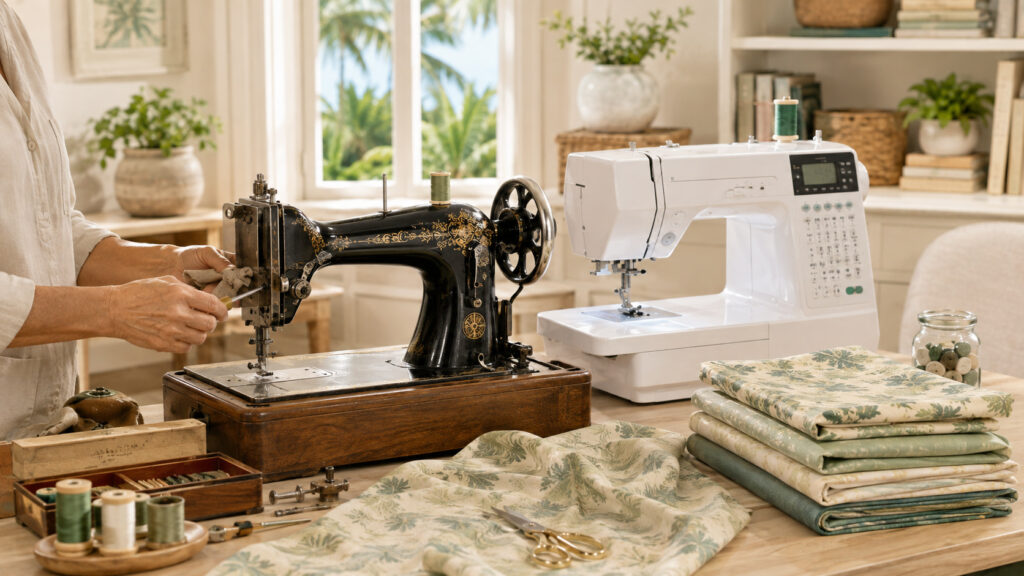
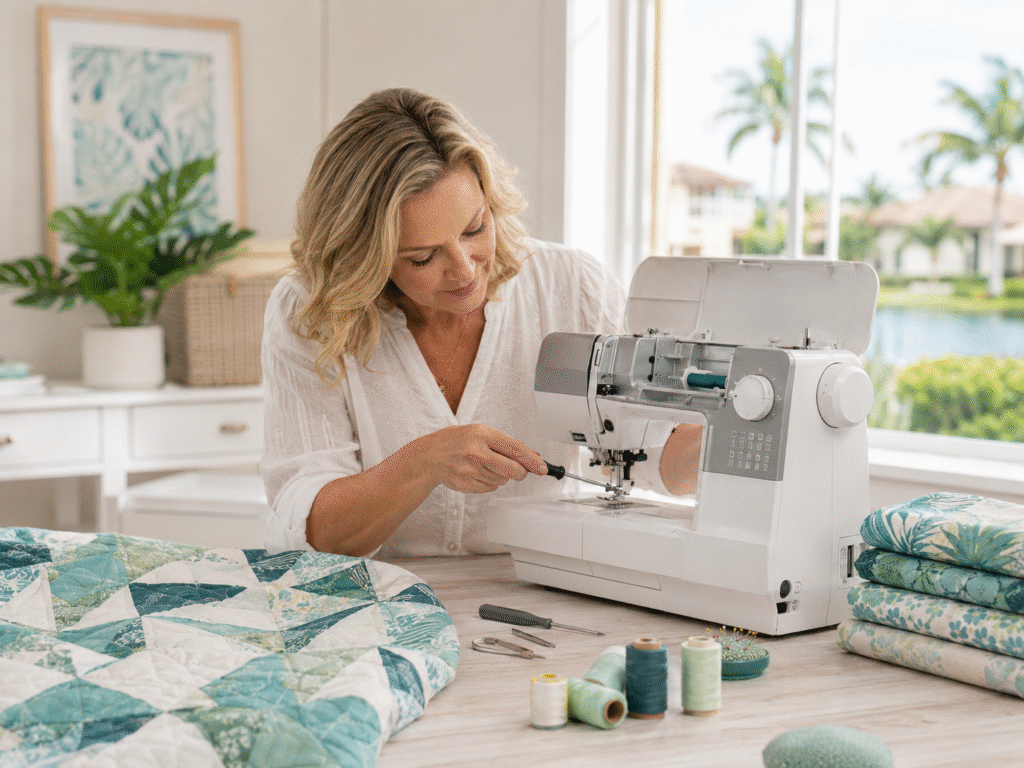
    Close-up of a sewing machine with fabric, thread, scissors, bobbins, measuring tape, and sewing maintenance supplies
    Regular cleaning, fresh needles, and proper maintenance help keep sewing machines running smoothly.

    Signs Your Sewing Machine Needs Professional Service

    While basic maintenance helps, some issues require experienced repair technicians.

    You should consider professional sewing machine service if:

    • The machine jams frequently
    • Timing appears off
    • Stitches remain uneven after troubleshooting
    • Tension problems continue
    • Internal cleaning has not been done in years
    • The machine smells hot during operation
    • The machine has been dropped or transported recently
    • Needle strikes occur repeatedly
    • Sewing quality continues to decline

    At Gator Vacuum and Sewing, professional tune-ups help restore performance for many sewing machine brands and models.

    What a Professional Sewing Machine Tune-Up Usually Includes

    Many people are surprised how detailed a proper tune-up actually is.

    Professional sewing machine service may include:

    • Internal cleaning
    • Removal of lint and thread buildup
    • Lubrication of moving parts
    • Timing adjustments
    • Tension calibration
    • Feed dog inspection
    • Motor testing
    • Belt inspection
    • Bobbin system adjustments
    • Mechanical alignment checks
    • General performance testing

    These services help improve reliability and reduce long-term wear.

    Why Tamarac and Coconut Creek Sewers Benefit From Routine Maintenance

    Many local sewing machine owners use their equipment for:

    • Quilting
    • Embroidery
    • Alteration work
    • Crafting
    • Costume sewing
    • Home décor projects
    • Small business sewing

    Machines that are used heavily or stored improperly can develop problems faster without regular maintenance.

    South Florida’s dust and humidity also make periodic cleaning especially important for long-term sewing machine care.

    Pulling a Sewing Machine Out After Months in Storage?

    One of the most common situations technicians see is a sewing machine that has been sitting unused in a closet for months or even years.

    Machines coming out of storage often experience:

    • Hardened lubricants
    • Dust accumulation
    • Stiff movement
    • Tension problems
    • Dry belts
    • Threading issues

    Before starting a large project, it is smart to inspect the machine carefully or schedule a professional tune-up to avoid frustration later.

    Professional Sewing Machine Service for Tamarac and Coconut Creek

    If your sewing machine is skipping stitches, making unusual noises, breaking thread, or simply overdue for maintenance, a professional tune-up can often restore smoother, quieter performance.

    At Gator Vacuum and Sewing, customers throughout Tamarac, Coconut Creek, and surrounding South Florida areas trust experienced technicians for sewing machine cleaning, tune-ups, timing adjustments, and repairs.

    Routine servicing helps protect your investment, improve sewing quality, and keep your machine operating reliably for years to come.

  • Preparing for the Quilt Show: How a Tune-Up Prevents “Bird Nesting”

    Preparing for the Quilt Show: How a Tune-Up Prevents “Bird Nesting”

    Preparing for the Quilt Show: How a Tune-Up Prevents “Bird Nesting”

    For quilters, there’s nothing quite like the excitement of preparing for a show. Whether you’re submitting a competition piece, displaying your latest masterpiece, or simply attending with your guild, quilt shows across South Florida are moments to showcase precision, creativity, and craftsmanship.

    But nothing derails that excitement faster than a dreaded sewing machine issue, especially “bird nesting.”

    If you’ve ever lifted your fabric only to find a tangled mess of thread underneath, you know exactly how frustrating it can be. And when you’re on a deadline for a major quilt show, it’s more than an inconvenience. It’s a risk to your entire project.

    That’s where proper quilt machine servicing and professional sewing machine repair become your best line of defense.

    What Is “Bird-Nesting” and Why Does It Happen at the Worst Time?

    “Bird-nesting” refers to a buildup of tangled thread beneath your fabric, typically around the bobbin area. It often looks like a chaotic clump of loops, hence the name.

    The tricky part? It tends to appear when:

    • You’re working on thick quilt sandwiches
    • You’re switching thread types
    • Your machine is running for extended periods
    • You’re pushing your machine to peak performance

    In other words, exactly when you’re preparing for a quilt show.

    The Real Cause: It’s Not Just User Error

    Many quilters assume bird-nesting is caused by threading mistakes. While that can happen, the real culprit is often deeper.

    1. Improper Tension Balance

    Your top thread and bobbin thread must work in perfect harmony. Even a slight imbalance can cause looping and tangling.

    2. Lint and Debris Build-Up

    Fabric lint, especially from cotton quilting materials, accumulates quickly inside your machine and can interfere with thread movement.

    3. Worn or Misaligned Components

    Needles, tension discs, and bobbin cases all wear down over time. Small imperfections can create major stitching problems.

    4. Lack of Routine Maintenance

    Even high-end machines require periodic service to maintain optimal performance.

    This is why a professional sewing machine tension adjustment isn’t just helpful. It’s essential before a big project.

    Why Quilt Show Prep Pushes Your Machine to the Limit

    Quilting is one of the most demanding tasks you can ask of a sewing machine. Unlike basic sewing, quilting involves:

    • Multiple fabric layers
    • Batting of varying densities
    • Long continuous stitching sessions
    • Precision alignment across large surfaces

    In areas like Coral Springs, Parkland, and Boca Raton, quilting communities are thriving and expectations at local shows are high.

    That means your machine needs to perform flawlessly, stitch after stitch.

    The $54.95 Tune-Up: Your Project Insurance Policy

    Think of a professional tune-up as insurance for your quilt.

    For a modest investment, often around $54.95, you can prevent:

    • Thread breakage
    • Tension issues
    • Skipped stitches
    • Motor strain
    • And of course, bird-nesting

    A tune-up typically includes:

    • Full internal cleaning to remove lint and debris
    • Precision sewing machine tension adjustment
    • Lubrication of moving parts
    • Inspection of belts, motors, and electrical components
    • Calibration for consistent stitch quality

    Instead of troubleshooting problems mid-project, you start with a machine that’s ready for peak performance.

    Timing Matters: Don’t Wait Until the Week Before

    One of the most common mistakes quilters make is waiting too long to service their machine.

    Here’s a better timeline:

    • 4–6 weeks before your show: Schedule your tune-up
    • 2–3 weeks before: Test your machine on scrap quilt sandwiches
    • Final week: Focus on finishing, not fixing problems

    This approach gives you confidence and helps eliminate last-minute stress.

    Local Quilting Communities in South Florida

    If you’re preparing for a show, chances are you’re already connected to one of the many quilting groups in the area. South Florida has a vibrant network of guilds and clubs that support quilters of all skill levels.

    Some well-known South Florida quilting resources include:

    • Gold Coast Quilters Guild
    • Sunshine State Quilters Guild

    These organizations host events, workshops, and quilt shows throughout the year, many within a short drive of West Boca and surrounding communities.

    Being part of a guild not only provides inspiration but also valuable recommendations for trusted machine servicing.

    Close-up of a sewing machine bobbin area being cleaned before quilting with thread spools and quilt fabric nearby
    nesting before a major quilting project.

    Signs Your Machine Needs Servicing Before a Quilt Show

    Not sure if your machine is ready? Here are some red flags to watch for:

    • Uneven stitches on test fabric
    • Thread bunching underneath, which may be an early bird-nesting sign
    • Unusual noises or vibration
    • Difficulty maintaining consistent tension
    • Increased lint buildup despite regular cleaning

    If you notice any of these, it’s time to schedule quilt machine servicing before the problem worsens.

    DIY Fixes vs. Professional Service

    While basic maintenance is important, there’s a limit to what you can do at home.

    What You Can Do

    • Change needles regularly
    • Clean accessible lint areas
    • Rethread your machine carefully
    • Use high-quality thread

    What You Shouldn’t Attempt

    • Internal tension calibration
    • Motor or belt adjustments
    • Deep internal cleaning
    • Electrical diagnostics

    Professional technicians have the tools and expertise to make precise adjustments that aren’t possible with DIY methods.

    The Confidence Factor: Sew Without Second-Guessing

    There’s a psychological benefit to a properly tuned machine that often gets overlooked.

    When your machine is running perfectly:

    • You trust every stitch
    • You work faster and more efficiently
    • You take on more complex designs
    • You enjoy the process instead of worrying

    That confidence shows in your finished quilt, something judges and fellow quilters will notice.

    Elevating Your Quilt Show Experience

    Preparing for a quilt show isn’t just about finishing a project. It’s about presenting your best work.

    A well-maintained machine helps you achieve:

    • Crisp, even stitching
    • Smooth quilting lines
    • Professional-quality finishes
    • Fewer errors and less rework

    In competitive environments, these details can make all the difference.

    Supporting Local Sewing Experts

    Working with a trusted local service provider ensures you get personalized care and fast turnaround times, especially important when deadlines are approaching.

    In the South Florida area, a reliable West Boca sewing machine repair provider can help keep your machine running smoothly before, during, and after quilt show season.

    Local expertise means:

    • Faster service
    • Familiarity with popular machine brands
    • Understanding of quilting-specific needs
    • Ongoing support for future projects

    For local service, support, and sewing machine care, Gator Vacuum helps South Florida quilters protect the machines behind their best work.

    Final Thoughts: Don’t Let Bird-Nesting Steal the Show

    Quilt shows are about showcasing your passion, skill, and creativity, not troubleshooting your sewing machine.

    Bird-nesting may seem like a small issue, but it can quickly spiral into a major setback, especially when you’re working under pressure.

    By investing in a professional tune-up, you’re doing more than maintaining your machine. You’re protecting your time, your materials, and your hard work.

    Think of it as your project insurance policy, a simple step that ensures everything runs smoothly when it matters most.

    Because when the spotlight is on your quilt, the last thing you want to think about is what’s happening underneath it.

  • Where to Buy a Vacuum Near Margate, FL

    Where to Buy a Vacuum Near Margate, FL

    Where to Buy a Vacuum Near Margate, FL

    Shopping for a new vacuum can feel overwhelming. Between online reviews, big-box store displays, and flashy ads, many homeowners end up buying a vacuum that does not fit their home, flooring, pets, or cleaning routine.

    For homeowners in Margate, Coral Springs, Parkland, Coconut Creek, and surrounding Broward County communities, choosing the right vacuum is especially important. South Florida homes face everyday cleaning challenges including tile floors, pet hair, sand, dust, pollen, humidity, and year-round indoor allergens.

    That is why many local homeowners turn to Gator Vacuum and Sewing for expert guidance, professional vacuum service, and quality vacuum systems designed for real South Florida living.

    Instead of guessing which vacuum might work best online, shoppers can visit a trusted local showroom and get recommendations tailored to their home, flooring, pets, and lifestyle.

    Why Buying a Vacuum Locally Makes a Difference

    Many homeowners assume all vacuums perform the same until they bring one home and realize it does not match their needs. Common problems include:

    • Weak suction
    • Poor pet hair pickup
    • Dust blowing back into the air
    • Frequent clogs
    • Difficult maintenance
    • Expensive replacement filters
    • No local repair support

    Buying locally gives homeowners access to expert advice before making a purchase. At Gator Vacuum and Sewing, customers can ask real questions, compare machines side by side, and find the right vacuum for their specific cleaning needs instead of relying only on generic online reviews.

    If you are looking for vacuum service near Margate, working with a nearby specialist can help you choose a better machine and get support after the sale.

    South Florida Homes Need the Right Vacuum

    Homes throughout Margate and Broward County deal with cleaning conditions that many national retailers do not fully consider. Local homes often have tile, luxury vinyl, area rugs, pets, open floorplans, and more dust and pollen than homeowners expect.

    Common local cleaning challenges include:

    • Sand tracked in from outdoors
    • Tile and luxury vinyl floors
    • Pet hair buildup
    • Humidity-related dust accumulation
    • Seasonal pollen and allergens
    • Large open floorplans
    • Multi-surface flooring combinations

    A vacuum designed mainly for thick carpet may not work well on South Florida tile floors. Likewise, a lightweight budget vacuum may struggle in homes with pets, larger rooms, or heavier everyday use. That is where expert guidance matters.

    Matching the Right Vacuum to Your Floors

    One of the biggest advantages of shopping at Gator Vacuum and Sewing is getting help selecting a vacuum designed for your actual flooring. Different homes require different cleaning tools, attachments, and suction performance.

    For example:

    • Tile floors benefit from soft floor brushes and strong airflow
    • Area rugs may require adjustable height settings
    • Hardwood flooring needs gentle cleaning tools
    • Thick carpets need stronger brushroll performance
    • Pet homes often need better filtration and hair pickup tools

    Using the wrong vacuum can scatter debris, scratch floors, damage delicate rugs, or leave dust behind. A knowledgeable vacuum specialist can recommend the best setup for your specific home.

    The Best Vacuum Solutions for Pet Owners

    Pet owners often experience the biggest frustrations with low-quality vacuums. Hair buildup, clogged brushrolls, weak suction, and unpleasant odors are common complaints.

    At Gator Vacuum and Sewing, homeowners can find vacuum systems specifically designed for homes with pets. Features that matter for pet owners include:

    • Strong suction power
    • Tangle-resistant brushrolls
    • Sealed filtration systems
    • Upholstery tools
    • Large-capacity dirt collection
    • Better odor control

    Choosing the right vacuum can reduce the amount of pet hair trapped in carpets, furniture, corners, and high-traffic areas.

    Better Indoor Air Quality for Broward County Homes

    Indoor air quality is becoming increasingly important for many South Florida families. Dust, pollen, pet dander, and allergens can build up inside homes, especially during allergy season.

    Cheap vacuums often recirculate microscopic particles back into the air while cleaning. That is why many homeowners visit Gator Vacuum and Sewing looking for:

    • HEPA filtration systems
    • Sealed vacuum systems
    • Central vacuum systems
    • Advanced allergen filtration
    • Better dust control

    For families with allergies, asthma concerns, pets, or sensitive indoor air needs, investing in the right vacuum can make a noticeable difference in everyday comfort.

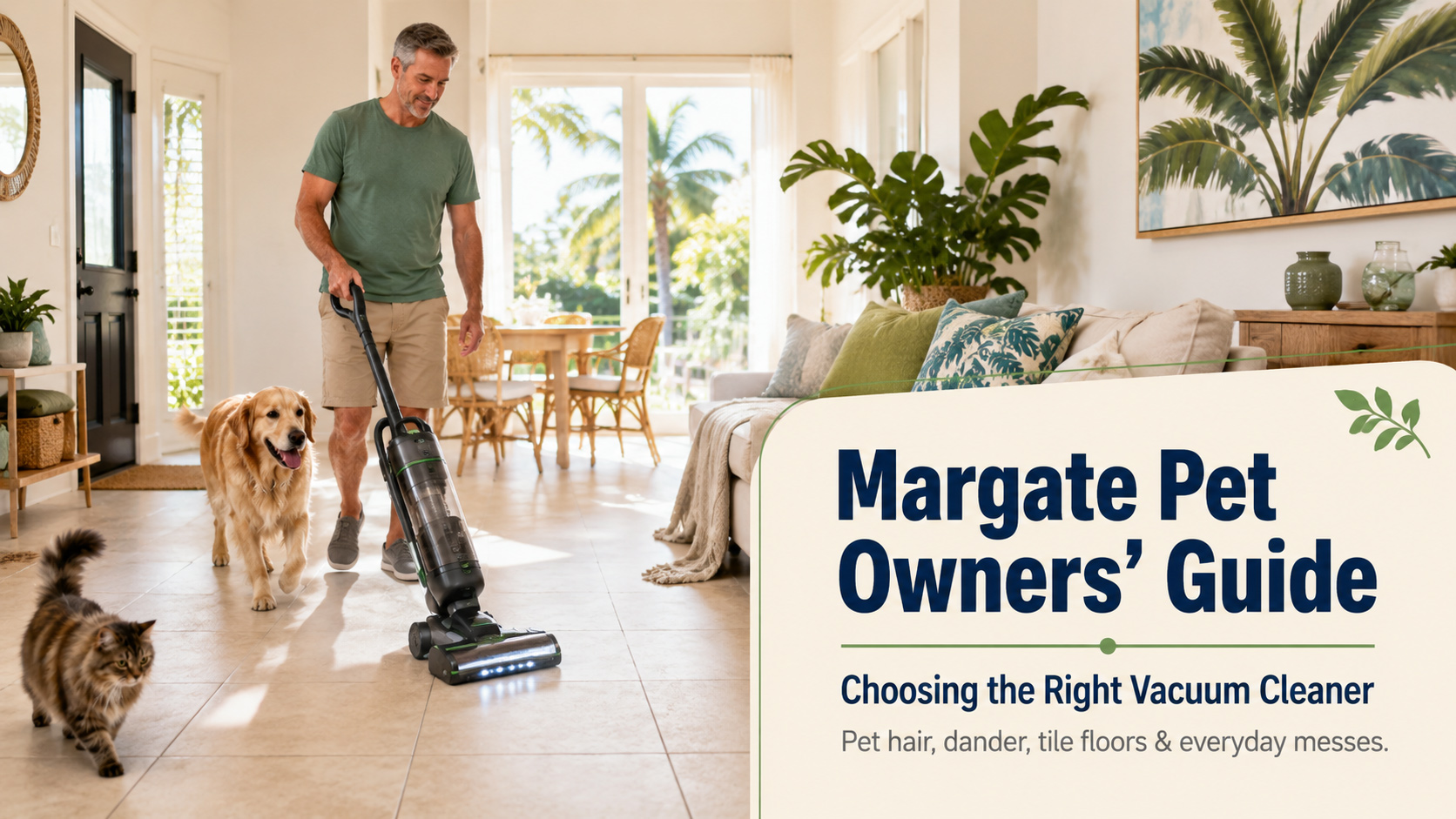
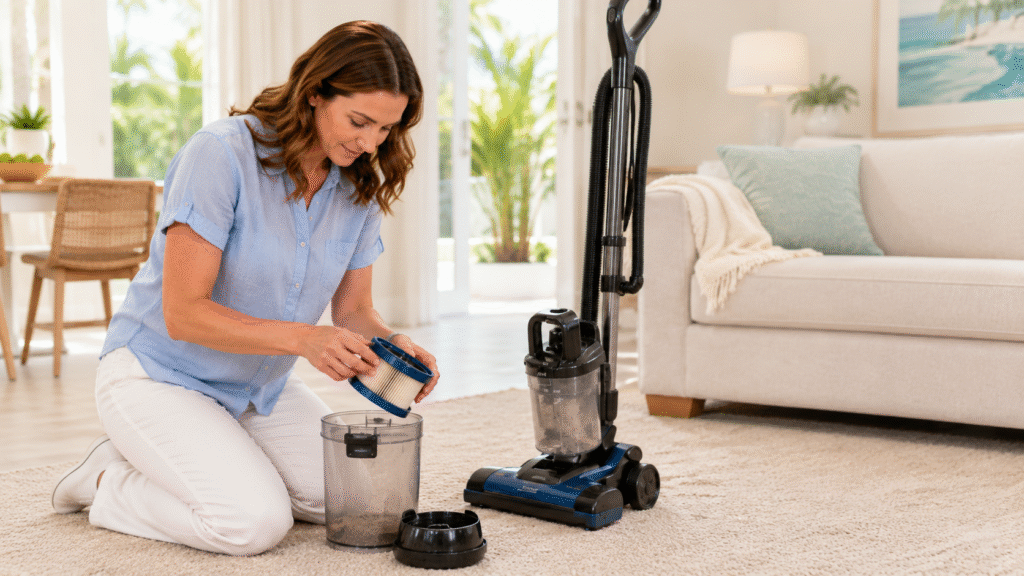
    Homeowner comparing upright vacuum options in a bright South Florida home
    Choosing the right vacuum depends on your flooring, pets, filtration needs, and local service options.

    Why Seeing the Vacuum in Person Still Matters

    Online photos and reviews can only tell you so much. When shopping locally, customers can:

    • Feel the vacuum’s weight
    • Test maneuverability
    • Compare noise levels
    • Examine attachments
    • Learn proper operation
    • See cleaning demonstrations

    At Gator Vacuum and Sewing, homeowners can compare different vacuum styles and ask questions before spending money on a machine they will use for years. That hands-on experience helps shoppers avoid costly mistakes.

    Local Service After the Sale

    One major advantage of buying from a local vacuum store is ongoing support. Unlike many online sellers, Gator Vacuum and Sewing offers continued help after the purchase.

    That support may include:

    • Vacuum repairs
    • Warranty assistance
    • Replacement bags
    • Filter replacements
    • Belts and hoses
    • Powerhead repairs
    • Tune-ups and maintenance

    This long-term support helps homeowners protect their investment and extend the lifespan of their vacuum system. Gator Vacuum and Sewing also helps local customers with sewing machine service, including Margate sewing machine repair for customers who want experienced local support for more than just vacuums.

    Central Vacuum Systems for Larger Homes

    Many Broward County homeowners are also upgrading to central vacuum systems for stronger suction, quieter operation, and easier whole-home cleaning. For larger homes, central vacuum systems often provide better deep cleaning, improved indoor air quality, easier pet hair removal, less noise, and greater long-term durability.

    Homeowners interested in built-in vacuums in Margate can explore options for new systems, repairs, hose upgrades, powerhead replacements, accessories, motors, and replacement parts.

    Many homeowners are surprised to learn that upgrading accessories or repairing an older central vacuum system can dramatically improve performance without replacing the entire system.

    Easy Access to Bags, Filters, and Vacuum Parts

    One common frustration with online vacuum purchases is difficulty finding replacement supplies later. At Gator Vacuum and Sewing, customers can easily find:

    • Genuine vacuum bags
    • HEPA filters
    • Belts
    • Hoses
    • Attachments
    • Central vacuum accessories
    • Hard-to-find vacuum parts

    This convenience saves time and helps keep vacuum systems performing properly over the long term.

    Why Cheap Vacuums Often Cost More Long-Term

    Many bargain vacuums seem appealing because of the low upfront price. However, cheaper machines often develop problems quickly, including weak suction, broken brushrolls, motor issues, battery failure, cracked hoses, and overheating.

    In many cases, replacing multiple low-quality vacuums over several years costs more than investing in one quality machine from the beginning. At Gator Vacuum and Sewing, shoppers can find durable vacuum systems designed for long-term reliability and performance.

    Questions Every Vacuum Shopper Should Ask

    Before purchasing a vacuum, homeowners should ask:

    • Is this vacuum good for tile floors?
    • Does it handle pet hair effectively?
    • Is the filtration sealed?
    • Are replacement parts available locally?
    • Can the vacuum be repaired?
    • How long is the expected lifespan?
    • What maintenance is required?
    • Is local warranty support available?

    Getting these answers before buying helps homeowners make smarter long-term decisions.

    Where to Buy a Vacuum Near Margate, FL

    If you are searching for where to buy a vacuum near Margate, FL, working with a trusted local vacuum specialist can make all the difference. Instead of guessing online, homeowners can visit Gator Vacuum and Sewing for expert recommendations, quality vacuum systems, professional repairs, central vacuum solutions, and long-term customer support.

    Whether you need a vacuum for tile floors, better pet hair cleanup, improved allergy filtration, central vacuum repairs, replacement bags and filters, or a durable long-term cleaning solution, Gator Vacuum and Sewing helps Broward County homeowners find the right vacuum for their home.

    For Margate homeowners, that means personalized service, knowledgeable recommendations, and local support you simply cannot get from a random online seller.

  • Should You Repair or Replace Your Vacuum? A Tamarac Homeowner’s Guide

    Should You Repair or Replace Your Vacuum? A Tamarac Homeowner’s Guide

    Should You Repair or Replace Your Vacuum? A Tamarac Homeowner’s Guide

    A vacuum cleaner is one of the hardest-working appliances in your home. In Tamarac and throughout Broward County, vacuums deal with constant challenges like tile-floor dust, pet hair, sand, allergens, and heavy daily use.

    Eventually, every homeowner faces the same question:

    Should you repair your vacuum or replace it entirely?

    Sometimes the answer is obvious. Other times, a simple repair can restore years of reliable performance and save you hundreds of dollars.

    The key is understanding what problems are worth fixing, when replacement makes more sense, and how to choose the best option for your home and budget.

    For homeowners in Tamarac, Coral Springs, Margate, and nearby areas, Gator Vacuum and Sewing helps customers with both professional vacuum repairs and replacement vacuum sales, making it easier to find the right long-term solution.

    Why Vacuum Problems Are Common in South Florida Homes

    South Florida homes create unique wear and tear on vacuum systems.

    Common issues include:

    • Sand damaging brushrolls and belts
    • Pet hair clogging hoses
    • Fine dust overwhelming filters
    • Humidity contributing to dirt buildup
    • Heavy use on large tile floors
    • Constant debris from indoor-outdoor living

    Even high-quality vacuums eventually experience performance issues.

    The important thing is determining whether the vacuum still has enough life left to justify repair.

    Start With the Age of the Vacuum

    The age of your vacuum is one of the biggest decision factors.

    Vacuums Worth Repairing

    In many cases, repairing makes sense when:

    • The vacuum is under 8 to 10 years old
    • The motor still runs well
    • The vacuum was originally high quality
    • Replacement parts are still available
    • The repair is relatively minor

    Higher-end vacuums are often built to last significantly longer than cheaper retail models.

    A quality vacuum that receives proper maintenance can provide many additional years of service after repair.

    When Replacement Makes More Sense

    Replacement may be smarter if:

    • The vacuum is very old
    • Multiple components are failing
    • Repair costs are excessive
    • Parts are discontinued
    • The vacuum no longer meets your cleaning needs

    Many inexpensive vacuums are designed more like disposable appliances than long-term investments.

    How to Tell if Your Vacuum Has Lost Suction

    Weak suction is one of the most common complaints homeowners have.

    However, low suction doesn’t always mean the vacuum is dying.

    Sometimes the issue is simple.

    Common causes include:

    • Full bags or canisters
    • Dirty filters
    • Clogged hoses
    • Blocked brushrolls
    • Worn belts
    • Air leaks

    At Gator Vacuum and Sewing, many vacuums that appear “dead” are actually repairable with basic service and maintenance.

    Broken Belts: A Common and Affordable Repair

    Vacuum belts wear out over time, especially in homes with:

    • Pets
    • Thick rugs
    • Heavy debris
    • Long hair buildup

    Signs of a broken or worn belt include:

    • Brushroll not spinning
    • Burning smell
    • Poor carpet cleaning
    • Sudden loss of agitation

    Fortunately, belt replacement is usually inexpensive and straightforward.

    Many homeowners replace an otherwise functional vacuum unnecessarily because they assume major damage has occurred.

    Clogged Hoses Can Mimic Serious Problems

    A clogged hose can make even a powerful vacuum feel weak.

    South Florida homes often create blockages from:

    • Pet hair
    • Sand
    • Dust buildup
    • Small toys or debris
    • Excess lint

    Symptoms may include:

    • Reduced airflow
    • Strange noises
    • Overheating
    • Poor pickup performance

    Professional cleaning and inspection can often restore full performance quickly.

    Older vacuum with repair tools beside a newer vacuum in a Tamarac home
    Comparing an older vacuum with a newer model can help homeowners decide whether repair or replacement makes more sense.

    Motor Problems: Repair or Replace?

    Motor issues require closer evaluation.

    Signs of motor trouble include:

    • Loud whining noises
    • Burning odors
    • Intermittent shutdowns
    • Overheating
    • Failure to power on
    • Electrical smells

    For higher-end vacuums or central vacuum systems, motor replacement is often worthwhile.

    For lower-cost retail vacuums, replacement may be more practical depending on repair costs.

    At Gator Vacuum and Sewing, technicians can evaluate whether motor replacement makes financial sense compared to buying a new machine.

    Missing or Damaged Parts

    Many homeowners continue struggling with vacuums missing important components.

    Common missing or damaged parts include:

    • Attachments
    • Wand sections
    • Floor tools
    • Hoses
    • Brushrolls
    • Powerheads
    • Handles

    In many cases, replacing individual parts can restore functionality without replacing the entire vacuum.

    This is especially true for higher-quality machines designed with replaceable components.

    Is Your Vacuum Still Right for Your Home?

    Sometimes the vacuum itself still works, but it no longer fits your lifestyle or home.

    For example:

    • A small vacuum may struggle in a larger home
    • A carpet vacuum may perform poorly on tile floors
    • A lightweight stick vacuum may not handle pet hair well
    • An older machine may lack modern HEPA filtration

    As homes change, cleaning needs often change too.

    Many Tamarac homeowners are upgrading to:

    • Better pet-hair vacuums
    • HEPA filtration systems
    • Central vacuum systems
    • More powerful canister vacuums
    • Lightweight maneuverable designs

    If your current vacuum constantly frustrates you, replacement may improve both cleaning results and convenience.

    When Repairing Your Vacuum Saves Money

    Repairing usually makes sense when:

    • The vacuum is high quality
    • Repair costs are reasonable
    • The vacuum still meets your needs
    • The motor is healthy
    • Replacement parts are available

    A professional tune-up may include:

    • Deep cleaning
    • Filter replacement
    • Belt replacement
    • Brushroll cleaning
    • Electrical inspection
    • Hose unclogging
    • Suction testing

    These repairs can dramatically improve performance for far less than replacement cost.

    When Buying a New Vacuum Is the Better Investment

    Replacement may be the better choice if:

    • Repairs approach replacement cost
    • The vacuum repeatedly breaks down
    • Suction remains poor after repairs
    • Filtration is outdated
    • The vacuum struggles with pets
    • Your flooring has changed
    • The machine overheats regularly

    Investing in a better vacuum can:

    • Improve indoor air quality
    • Reduce cleaning time
    • Increase reliability
    • Improve pet hair removal
    • Make vacuuming less frustrating

    Why Professional Advice Matters

    One reason homeowners trust Gator Vacuum and Sewing is because the goal isn’t simply selling a new vacuum.

    Sometimes the best solution is:

    • A repair
    • A replacement hose
    • A new powerhead
    • Updated attachments
    • A central vacuum upgrade
    • A completely new machine

    Getting honest recommendations helps homeowners avoid unnecessary spending while still improving cleaning performance.

    Central Vacuum Repair vs. Replacement

    Many Broward County homeowners assume older central vacuum systems need complete replacement when performance declines.

    In reality, many systems only need:

    • Motor replacement
    • New hoses
    • Updated powerheads
    • Inlet repairs
    • Filter replacement

    Central vacuum systems are often designed to last decades with proper maintenance.

    Repairing or upgrading an existing system can often restore excellent cleaning power without major renovation costs.

    Signs It’s Time for a Vacuum Evaluation

    If you notice any of these issues, it may be time for professional inspection:

    • Weak suction
    • Burning smells
    • Loud noises
    • Frequent clogs
    • Brushroll not spinning
    • Dust blowing into the air
    • Poor pet hair pickup
    • Overheating
    • Electrical issues
    • Cracked hoses or broken attachments

    Catching problems early often prevents more expensive repairs later.

    Final Thoughts

    Deciding whether to repair or replace your vacuum depends on several factors:

    • Age
    • Repair cost
    • Performance
    • Home size
    • Flooring type
    • Pets
    • Indoor air quality needs

    For Tamarac homeowners, the best solution isn’t always replacing the vacuum, and it isn’t always repairing it either.

    That’s why many local homeowners turn to Gator Vacuum and Sewing for honest advice, professional vacuum repairs, replacement parts, central vacuum service, and quality new vacuum systems.

    Whether your vacuum needs a quick repair, an upgraded attachment, or a complete replacement, getting expert guidance can help you make the smartest long-term decision for your home and cleaning needs.

  • The Boca Raton Guide to High-End Sewing Machine Longevity

    The Boca Raton Guide to High-End Sewing Machine Longevity

    The Boca Raton Guide to High-End Sewing Machine Longevity

    Owning a high-end sewing machine is a different experience entirely from working with entry-level models. Whether you’re stitching intricate embroidery designs or producing heirloom-quality garments, machines from brands like Bernina and Baby Lock are built for precision, performance, and longevity.

    But here’s the reality many owners overlook: even the most advanced machines require consistent, expert care to maintain that level of performance over time.

    For sewing enthusiasts in Boca Raton, especially in Central and East Boca where high-end hobbyists and professionals are concentrated, understanding proper luxury sewing machine maintenance is essential. And when it comes to keeping these machines running like new, choosing the right Boca Raton sewing machine service provider can make all the difference.

    This guide will walk you through how to extend the life of your investment, avoid costly repairs, and why working with a true specialist clinic like Gator is the smartest move you can make.

    Why High-End Sewing Machines Require Specialized Care

    Luxury sewing machines are engineering marvels. They combine advanced mechanics with computerized systems capable of handling:

    • High stitch counts, especially for embroidery
    • Precision tension control
    • Complex pattern memory and automation
    • Multi-layer fabric handling

    Machines from Bernina and Baby Lock are designed to last for years, but only if they are maintained correctly.

    Unlike basic models, these machines:

    • Have tighter tolerances
    • Use more sensitive electronics
    • Require precise calibration

    That means generic service or inexperienced handling can actually do more harm than good.

    The Hidden Wear of High Stitch Counts

    If you use your machine for embroidery, quilting, or frequent projects, your machine may be logging hundreds of thousands, or even millions, of stitches over time.

    While these machines are built for heavy use, that level of activity creates wear in areas such as:

    • Needle bars and presser foot mechanisms
    • Hook assemblies and bobbin systems
    • Internal gears and motors

    Without proper luxury sewing machine maintenance, this wear can lead to:

    • Irregular stitching
    • Thread breakage
    • Timing issues
    • Costly internal damage

    For Boca Raton users who rely on their machines regularly, preventative care is not optional. It’s critical.

    What Sets a “Specialist Clinic” Apart?

    Think of your high-end sewing machine like a luxury car. You wouldn’t take a high-performance vehicle to a general mechanic. You’d bring it to a specialist.

    The same logic applies here.

    A true Bernina repair specialist understands:

    • Brand-specific engineering and tolerances
    • Proprietary parts and software
    • Advanced diagnostics for computerized systems

    At a specialist-level service center, your machine is treated with the precision it deserves.

    Why Is Gator Positioned as a Specialist Clinic?

    Gator’s approach to Boca Raton sewing machine service is built around expertise, not volume.

    Rather than functioning as a general repair shop, Gator operates more like a clinic:

    • Focused on high-end machines
    • Staffed by experienced, trained technicians
    • Equipped to handle complex embroidery and quilting systems

    This level of specialization is especially important for Boca’s upscale sewing community.

    If your machine needs expert attention, Gator offers dedicated Boca Raton sewing machine repair for owners who want careful, knowledgeable service instead of one-size-fits-all repairs.

    Routine Maintenance: The Key to Longevity

    Technician performing maintenance on a high-end sewing machine in Boca Raton

    The single most important factor in extending the life of your machine is consistency.

    Recommended Maintenance Schedule

    For most high-end machine owners:

    Heavy embroidery users and quilters: Every 3–6 months

    Light users: Service once per year

    Frequent users: Every 6–9 months

    Routine luxury sewing machine maintenance typically includes:

    • Internal cleaning to remove lint and debris
    • Lubrication of moving parts
    • Tension calibration
    • Timing checks
    • Software updates, if applicable

    Skipping these steps allows small issues to become major problems.

    Warning Signs Your Machine Needs Service

    Even the best machines will give you signals when something isn’t right.

    If you notice any of the following, it’s time to seek a Boca Raton sewing machine service provider:

    • Uneven or inconsistent stitches
    • Increased noise or vibration
    • Frequent thread breaks
    • Skipped stitches
    • Error messages on computerized displays

    Ignoring these signs can lead to more expensive repairs down the line.

    Why Local, On-Premises Service Matters in Boca Raton

    For residents of Boca Raton, particularly in Central and East Boca, convenience and trust go hand in hand.

    Choosing a local, on-premises repair provider offers several advantages:

    1. Protection for High-Value Machines

    Shipping a luxury sewing machine introduces unnecessary risk. Local service eliminates concerns about damage, loss, or mishandling.

    2. Faster Turnaround

    No shipping delays mean quicker diagnostics and repairs.

    3. Direct Communication

    You can speak directly with a technician, explain issues, and get tailored advice.

    This is especially valuable for owners of Bernina machines, where precision adjustments can significantly impact performance.

    The Boca Raton Sewing Community: A Unique Market

    Boca Raton is home to a thriving community of sewing enthusiasts, quilters, and embroidery artists, many of whom invest in top-tier equipment.

    In Central and East Boca, you’ll find:

    • Hobbyists with dedicated sewing rooms
    • Small business owners running embroidery operations
    • Quilters working on large-scale, detailed projects

    These customers often value:

    • Quality over cost
    • Expertise over convenience
    • Long-term performance over quick fixes

    That’s exactly why a specialist-focused approach to Boca Raton sewing machine service resonates so strongly in this market.

    Extending the Life of Your Investment

    High-end sewing machines are designed to last decades, not just years.

    With proper care, machines from Bernina and Baby Lock can maintain peak performance long after lower-end models would fail.

    Best Practices for Longevity

    To maximize lifespan:

    • Clean lint buildup regularly
    • Use high-quality thread and needles
    • Schedule routine professional servicing
    • Avoid DIY repairs on complex issues
    • Store your machine in a controlled environment

    Most importantly, partner with a trusted Bernina repair specialist who understands the intricacies of your machine.

    Why Expertise Matters More Than Ever

    As sewing machines become more advanced, the gap between general repair and specialist service continues to grow.

    Today’s machines often include:

    • Touchscreen interfaces
    • Digital stitch programming
    • Sensor-based tension systems

    These features require not just mechanical knowledge, but technical expertise.

    That’s why choosing the right Boca Raton sewing machine service provider isn’t just about fixing problems. It’s about preserving performance.

    Final Thoughts: Treat Your Machine Like the Investment It Is

    If you own a high-end sewing machine, you’ve already made a commitment to quality. Protecting that investment requires the same level of intention.

    For sewing enthusiasts in Boca Raton, especially in Central and East Boca, the path to long-term performance is clear:

    • Prioritize consistent luxury sewing machine maintenance
    • Work with a trusted Bernina repair specialist
    • Choose a local, expert-driven Boca Raton sewing machine service

    By treating your machine like the precision instrument it is, you ensure it continues to deliver flawless results, project after project, year after year.

    To learn more about local service options, visit Gator Vacuum & Sewing Center and connect with a team that understands the care high-end sewing machines deserve.

  • Central Vacuum Maintenance Tips for Coconut Creek Homeowners

    Central Vacuum Maintenance Tips for Coconut Creek Homeowners

    Central Vacuum Maintenance Tips for Coconut Creek Homeowners

    A central vacuum system is one of the most convenient cleaning upgrades a homeowner can have. It offers powerful suction, quieter operation, improved indoor air quality, and less hassle compared to dragging a portable vacuum from room to room. But like any home system, regular maintenance is essential to keep it operating efficiently year after year.

    Many Coconut Creek homeowners rarely think about their central vacuum until something goes wrong. By the time weak suction, strange noises, or overheating appear, the system may already be dealing with unnecessary wear and tear. Fortunately, a little preventative maintenance can go a long way toward avoiding expensive repairs and extending the life of your central vacuum system.

    At Gator Vacuum & Sewing Co., we help South Florida homeowners keep their systems running properly with professional central vacuum maintenance, repairs, and replacement parts. Here are some of the most important central vacuum maintenance tips every Coconut Creek homeowner should follow.

    Why Central Vacuum Maintenance Matters

    Unlike portable vacuums that are constantly visible, central vacuum systems are mostly hidden behind walls, inside garages, utility rooms, or closets. Because they operate out of sight, homeowners often forget they still require routine care.

    A neglected system can develop:

    • Weak suction
    • Overheating motors
    • Dust buildup
    • Clogged tubing
    • Reduced airflow
    • Poor cleaning performance
    • Shortened motor lifespan

    Routine maintenance helps prevent these problems while improving the overall efficiency of your home cleaning system.

    Empty the Dirt Canister Regularly

    One of the easiest but most important maintenance tasks is emptying the collection canister before it becomes overly full.

    When debris accumulates too high inside the canister:

    • Airflow becomes restricted
    • Suction power decreases
    • Dust odors may develop
    • Motors work harder than necessary

    For most Coconut Creek homeowners, checking the canister every few months is a good habit. Homes with pets, children, or heavy carpet use may require more frequent emptying.

    A simple schedule can prevent unnecessary strain on the system and help maintain strong suction throughout the home.

    Clean or Replace Central Vacuum Filters

    Filters play a major role in both airflow and indoor air quality. Over time, dust and debris clog the filter material, making the motor work harder to pull air through the system.

    Depending on your central vacuum model, your system may use:

    • Washable filters
    • Disposable filters
    • Self-cleaning filtration systems
    • HEPA-style filtration

    Dirty filters can lead to:

    • Reduced suction
    • Motor overheating
    • Dust escaping into the air
    • Burning smells
    • Increased wear on internal components

    Many homeowners forget about filters entirely because they are hidden inside the power unit. Checking and cleaning them at least once or twice a year can make a noticeable difference in system performance.

    Inspect Vacuum Hoses for Damage

    Your hose handles constant movement, bending, and pulling during everyday use. Even small cracks or leaks can reduce suction dramatically.

    During routine maintenance, inspect the hose for:

    • Splits or tears
    • Loose handle connections
    • Air leaks
    • Crushed sections
    • Electrical connection problems

    If you hear hissing noises or notice weak suction only when using a particular hose, the hose itself may be the problem.

    Replacing a damaged hose early is far less expensive than allowing the system to overwork itself compensating for lost airflow.

    Check Wall Inlets Throughout the Home

    Wall inlet valves are another overlooked component of central vacuum systems. Over time, inlet doors can loosen, seals can wear out, or debris can collect inside the opening.

    A yearly inspection should include:

    • Testing suction at each inlet
    • Checking for loose mounting plates
    • Inspecting inlet doors for proper sealing
    • Cleaning visible debris around the opening

    If one inlet has noticeably weaker suction than the others, it may indicate a blockage or leak within that section of tubing.

    For larger homes in Coconut Creek, catching these issues early can help avoid more complicated repairs later.

    Listen for Changes in Motor Sound

    Your central vacuum motor usually develops a familiar operating sound over time. If the motor suddenly sounds louder, rougher, or inconsistent, it may be warning you about a developing issue.

    Pay attention to:

    • Grinding noises
    • High-pitched whining
    • Rattling sounds
    • Excessive vibration
    • Intermittent operation

    Motor changes often indicate:

    • Worn bearings
    • Internal debris buildup
    • Cooling issues
    • Electrical problems
    • Aging motor components

    Ignoring unusual sounds can eventually lead to total motor failure. Professional inspection can often identify problems before the motor completely burns out.

    Test Suction Throughout the House

    One of the best ways to monitor your system’s health is by testing suction at multiple inlets periodically.

    Walk through the house and check:

    • Suction consistency
    • Airflow strength
    • Hose responsiveness
    • Carpet cleaning performance

    Weak suction in one area may indicate:

    • A clogged line
    • Cracked tubing
    • An inlet leak
    • A blockage behind the wall

    If the entire system feels weaker than normal, the issue may involve the filter, canister, hose, or motor itself.

    Routine testing helps homeowners spot problems before they become major repairs.

    Watch for Clogs Before They Become Serious

    Central vacuum systems can accidentally collect items that should never enter the tubing system, including:

    • Small toys
    • Socks
    • Large paper products
    • Excessive pet hair
    • Construction debris

    Partial clogs often develop gradually, reducing airflow little by little until cleaning performance becomes noticeably weaker.

    Warning signs include:

    • Reduced suction
    • Strange airflow sounds
    • Debris backing up
    • System overheating

    Professional clog removal tools can safely clear blockages without damaging hidden tubing inside your walls.

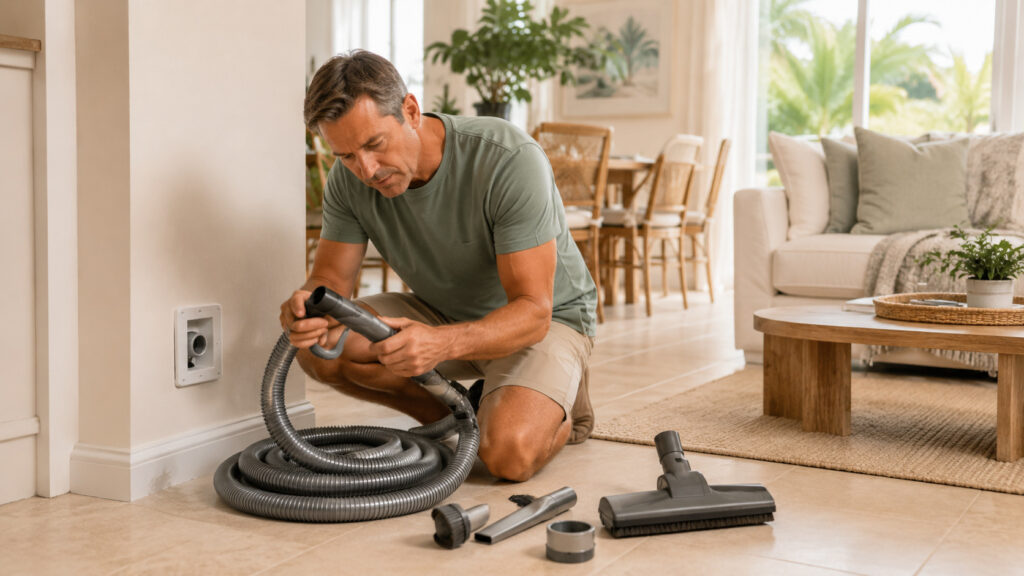
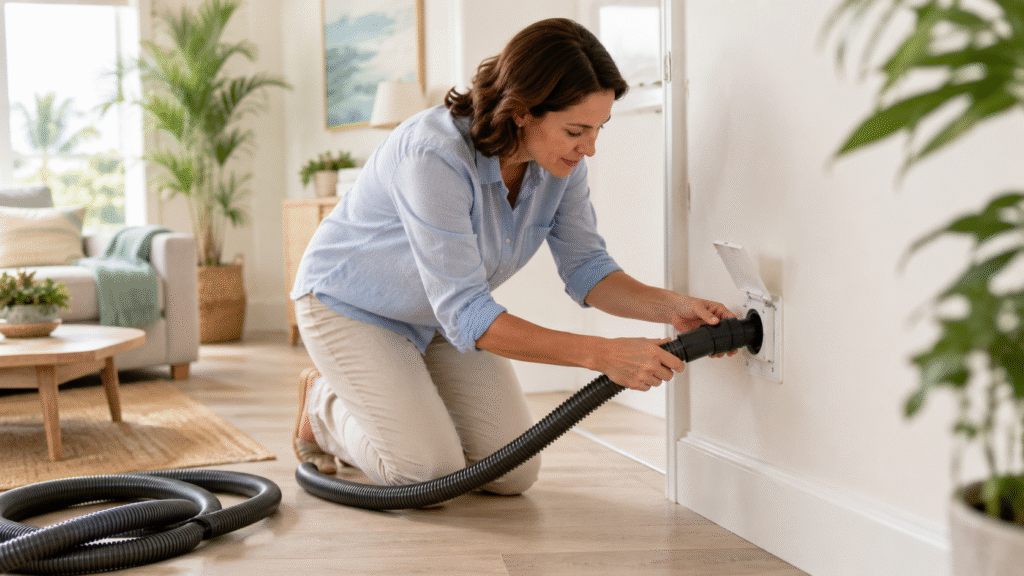
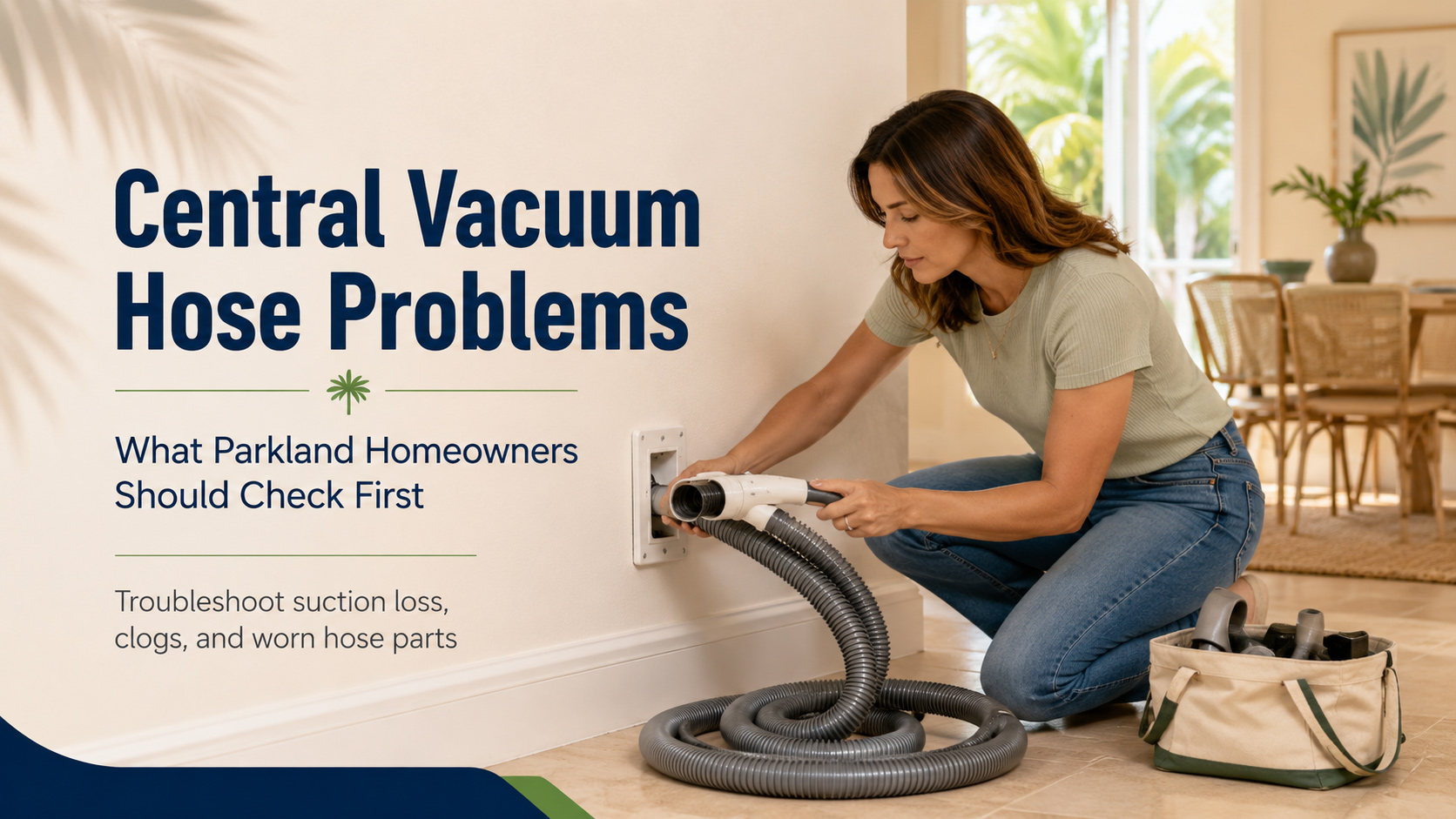
    Homeowner checking a central vacuum hose at a wall inlet inside a Coconut Creek home
    Testing suction at each wall inlet can help homeowners catch central vacuum problems before they become major repairs.

    South Florida Homes Need Extra Attention

    Coconut Creek homeowners often deal with factors that increase central vacuum maintenance needs, including:

    • High humidity
    • Sand and fine dust
    • Pet hair
    • Heavy year-round cleaning demands
    • Tile flooring with grout dust
    • Seasonal allergens

    These conditions can place additional stress on filters and motors, making routine maintenance even more important in South Florida homes.

    Seasonal Central Vacuum Maintenance Checklist

    Here’s a simple yearly checklist homeowners can follow to keep their central vacuum system running efficiently:

    Every 3–6 Months

    • Empty dirt canister
    • Inspect hose for cracks
    • Check suction performance
    • Clean visible debris from wall inlets

    Every 6–12 Months

    • Clean or replace filters
    • Inspect motor sound
    • Test every wall inlet
    • Check powerhead and attachments
    • Inspect for air leaks

    As Needed

    • Remove clogs
    • Replace damaged hoses
    • Repair inlet valves
    • Schedule professional diagnostics

    Following a simple maintenance routine can help avoid costly repairs and improve the lifespan of the entire system.

    Professional Central Vacuum Maintenance Near Coconut Creek

    While homeowners can handle basic maintenance tasks, professional inspections help identify hidden problems before they turn into expensive failures. At Gator Vacuum & Sewing Co., we help Coconut Creek homeowners maintain, troubleshoot, and repair central vacuum systems from many major brands.

    Whether you need service for an existing system or want to learn more about built-in vacuums in Coconut Creek, working with a local specialist can help keep your home cleaning system running the way it should.

    Professional maintenance can include:

    • Full airflow testing
    • Motor inspection
    • Filter replacement
    • Clog detection
    • Hose diagnostics
    • Inlet repair
    • Suction performance testing
    • System troubleshooting

    Regular service helps protect your investment while keeping your home cleaner and your system operating at peak performance.

    Central Vacuum Maintenance FAQs for Coconut Creek Homeowners

    How often should I empty my central vacuum canister?

    Most homeowners should check the canister every few months. Homes with pets, children, heavy carpet use, or frequent cleaning may need to empty it more often.

    What causes weak suction in a central vacuum system?

    Weak suction can be caused by a full canister, clogged filter, damaged hose, blocked tubing, loose inlet valve, or motor issue. Testing suction at multiple inlets can help narrow down where the problem may be coming from.

    When should I call a professional for central vacuum service?

    If your system has unusual motor sounds, overheating, a burning smell, repeated clogs, or suction loss throughout the entire home, it is a good idea to schedule professional diagnostics before the issue gets worse.

    Keep Your Central Vacuum Running Strong

    A central vacuum system is designed to last for many years, but only if it receives proper care along the way. Simple maintenance steps like emptying the canister, cleaning filters, checking hoses, and monitoring suction can prevent many common problems before they start.

    For Coconut Creek homeowners, staying proactive with central vacuum maintenance can improve cleaning performance, extend motor life, and reduce the likelihood of unexpected breakdowns.

    If your system has lost suction, developed unusual noises, or simply hasn’t been inspected in years, Gator Vacuum & Sewing Co. is here to help with professional central vacuum maintenance and repair services.

    Gator Vacuum & Sewing Co. also supports homeowners with related local services, including Coconut Creek sewing machine repair, making it a convenient resource for vacuum and sewing machine service needs in the area.

  • Central Vacuum vs. Upright Vacuum: What Works Best for Broward County Homes?

    Central Vacuum vs. Upright Vacuum: What Works Best for Broward County Homes?

    Central Vacuum vs. Upright Vacuum: What Works Best for Broward County Homes?

    Choosing the right vacuum system for your home is more important than many homeowners realize. In Broward County, homes deal with unique cleaning challenges year-round, including tile floors covered in sand, pet hair trapped in area rugs, humidity-related dust buildup, and allergens like pollen that constantly make their way indoors.

    For many homeowners in areas like Coral Springs, Parkland, Tamarac, Boca Raton, and Fort Lauderdale, the question often comes down to this: should you stick with a traditional upright vacuum, or invest in a central vacuum system?

    The answer depends on your home size, cleaning habits, flooring, allergies, pets, and long-term goals. Both systems have advantages, but understanding the real differences can help you make the best decision for your family and budget.

    For homeowners looking for local vacuum expertise, Gator Vacuum helps South Florida residents compare, repair, service, and upgrade vacuum systems for the way local homes are actually used.

    Why Broward County Homes Have Different Cleaning Needs

    South Florida homes experience cleaning conditions that homeowners in other parts of the country may not deal with as heavily. Sand, humidity, pollen, pet hair, and open floorplans can make vacuum performance more important than simply buying the cheapest option available.

    • Fine sand tracked in from beaches, sidewalks, patios, and garages
    • Tile and luxury vinyl floors that show dust easily
    • Pet hair buildup from year-round shedding
    • High humidity that contributes to dust accumulation
    • Seasonal pollen and allergens
    • Large open floorplans with more square footage to clean
    • Multi-story homes with stairs and hard-to-reach spaces

    Because of these factors, choosing the right vacuum setup can make everyday cleaning easier, healthier, and more efficient.

    What Is a Central Vacuum System?

    A central vacuum system is a built-in cleaning system installed inside the home. Instead of carrying a heavy vacuum around, homeowners plug a lightweight hose into wall inlets connected to tubing hidden inside the walls.

    Dust and debris travel through the tubing into a large power unit, usually installed in the garage, utility room, or laundry area. Central vacuum systems are especially popular in larger Broward County homes because they offer powerful suction, quieter operation, and convenient whole-home cleaning.

    What Is an Upright Vacuum?

    An upright vacuum is the traditional portable vacuum most people are familiar with. The motor, filter, dirt container, brushroll, and handle are built into one movable unit.

    Upright vacuums are widely used because they are affordable, easy to purchase, and simple to store in smaller homes. However, performance varies greatly depending on the brand, model, filtration system, and how often the vacuum is maintained.

    Convenience: Which Vacuum Is Easier to Use?

    Central Vacuum Advantages

    For larger homes, central vacuum systems are often far more convenient. Instead of dragging a heavy machine from room to room, you only carry the hose, wand, and cleaning attachment.

    • Easier cleaning on stairs
    • Simpler movement through multi-story homes
    • Less strain while cleaning around furniture
    • Less physical effort compared to carrying a full upright vacuum
    • Helpful for homeowners with back pain, mobility concerns, or large homes

    Many newer systems also include retractable hose options that store inside the wall, making setup even faster and reducing the need for bulky storage.

    Upright Vacuum Advantages

    Upright vacuums are useful for quick grab-and-go cleaning. Smaller condos or apartments may benefit from a compact upright vacuum, especially if storage space is limited.

    However, carrying the full vacuum around the house can become tiring, especially on stairs, in larger floorplans, or when cleaning multiple rooms in one session.

    Suction Power and Deep Cleaning Performance

    One of the biggest differences between central vacuum systems and upright vacuums is suction power. Central vacuum systems typically have larger motors and more airflow capacity because the power unit is permanently installed away from the living space.

    Central Vacuums Typically Offer Stronger Suction

    Because the motor is larger and permanently installed, central vacuum systems usually provide stronger suction, higher airflow, and better performance for whole-home cleaning.

    • Better deep carpet cleaning
    • More effective pet hair removal
    • Stronger pickup for sand, grit, and fine dust
    • Larger dirt canisters that help maintain performance longer
    • Improved results for area rugs and high-traffic rooms

    This can be especially helpful in Broward County homes with tile floors, large rugs, pets, and frequent outdoor-to-indoor foot traffic.

    Upright Vacuums Can Lose Performance Faster

    Portable upright vacuums can work well, but they often lose performance faster when dust bins fill, filters clog, belts wear down, or brushrolls become tangled with hair.

    • Full dust bins can reduce suction
    • Clogged filters can weaken airflow
    • Brushrolls can tangle with pet hair
    • Smaller motors may struggle with deep carpet or heavy debris
    • Lower-cost models may scatter fine dust instead of capturing it

    Indoor Air Quality and Allergies

    Indoor air quality is a major concern in South Florida homes. Dust, pollen, pet dander, and humidity-related buildup can affect comfort, especially for families with allergies, asthma, or pets.

    Central Vacuums Improve Indoor Air Quality

    One of the biggest advantages of a central vacuum system is that dirt and allergens are moved away from the living space. Instead of recirculating microscopic dust particles back into the room, a central vacuum system sends debris to a remote collection container.

    • Reduced dust circulation
    • Less pet dander in the living space
    • Lower pollen exposure indoors
    • Fewer odors from collected debris
    • Cleaner air while vacuuming

    For families with allergies, asthma, or pets, this can make a noticeable difference in everyday comfort.

    Upright Vacuums Can Recirculate Dust

    Some high-quality upright vacuums include strong filtration, but many portable vacuums can still leak fine particles back into the air, especially when filters are dirty, seals weaken, or bags are not installed properly.

    HEPA upright vacuums can perform well, but budget models may scatter dust while vacuuming, which can be frustrating in homes where allergies or air quality are a concern.

    Pet Hair Cleanup

    Pet owners in Broward County know how quickly fur can accumulate on tile floors, upholstery, area rugs, and carpeted rooms.

    Central Vacuum Systems Excel With Pet Hair

    Central vacuum systems are often better for pet-heavy homes because the stronger suction and larger airflow capacity can remove embedded hair more effectively.

    • Stronger suction helps remove embedded fur
    • Larger motors handle heavier debris loads
    • Better airflow can reduce clogging
    • Specialized powerheads improve carpet grooming
    • Larger collection containers reduce frequent emptying

    Many homeowners can also upgrade an existing central vacuum with newer powerheads, electric hose kits, or improved attachments instead of replacing the entire system.

    Upright Vacuums Vary Widely

    Some upright vacuums perform well with pets, while others constantly clog, overheat, or wrap hair around the brushroll.

    • Tangled brushrolls
    • Frequent dust bin emptying
    • Reduced suction
    • Burnt belts
    • Overheating during heavy use

    Noise Levels

    Central Vacuums Are Much Quieter Indoors

    Since the motor is located away from the living area, central vacuum systems operate much more quietly inside the home. This is especially appreciated in homes with children, pets, remote workers, or multiple people sharing the same space during the day.

    Upright Vacuums Are Louder

    Traditional upright vacuums place the motor directly next to the user, which creates more noise during cleaning. For households with noise-sensitive pets or family members working from home, this can become a real downside.

    Technician inspecting a wall-mounted central vacuum system in a clean residential garage.

    Storage and Appearance

    Central Vacuum Systems Save Space

    Because the motor is hidden away in a garage, utility room, or laundry area, homeowners only need to store the hose, wand, and attachments. This can reduce closet clutter and keep the home looking cleaner.

    In upscale Broward County homes where storage and appearance matter, this is a valuable benefit.

    Upright Vacuums Take Up More Room

    Portable vacuums require storage for the full machine, attachments, replacement filters or bags, and sometimes charging docks for cordless models. This can become inconvenient in smaller closets or laundry rooms.

    Maintenance and Repairs

    Central Vacuum Systems Often Last Longer

    A properly maintained central vacuum system can last 15 to 25 years or longer. Many common issues are repairable, including motors, circuit boards, hoses, inlets, and powerheads.

    Because the system is built into the home, repairs are often more cost-effective than replacing the entire unit. Routine maintenance may include emptying the canister, replacing bags or filters, cleaning attachments, and inspecting hoses.

    For local service, homeowners can learn more about central vacuum repair in Broward County through Gator Vacuum’s service-area information.

    Upright Vacuums Usually Have Shorter Lifespans

    Many consumer upright vacuums last around 5 to 8 years on average, while cheaper models may fail sooner in homes with pets, sand, or heavy use.

    • Broken brushrolls
    • Weak batteries
    • Belt failures
    • Cracked hoses
    • Motor burnout

    In many cases, replacing an upright vacuum becomes more practical than repairing it, especially when the machine is lower-cost or parts are difficult to source.

    Upfront Cost vs. Long-Term Value

    Upright Vacuums Cost Less Initially

    A traditional upright vacuum is usually cheaper upfront. This makes upright vacuums attractive for apartments, temporary living situations, smaller homes, and budget-conscious buyers.

    Central Vacuums Offer Better Long-Term Value

    Although installation costs are higher, central vacuum systems often provide a longer lifespan, better durability, stronger whole-home cleaning performance, and a lower replacement frequency over time.

    For larger Broward County homes, many homeowners find the investment worthwhile, especially when the system improves convenience, indoor air quality, and daily cleaning performance.

    Which Vacuum Is Best for Tile Floors?

    Tile flooring is common throughout South Florida. The right vacuum system should remove sand, dust, pet hair, and debris without scattering particles across the floor.

    Central Vacuums Perform Extremely Well on Tile

    With the right attachments, central vacuums are excellent for tile floors. Strong airflow helps capture debris instead of pushing it around, while hard-floor attachments can clean delicate surfaces without scratching.

    • Removes fine dust effectively
    • Picks up sand without scattering it
    • Helps clean grout lines more efficiently
    • Works well for large tile areas and open floorplans
    • Can be paired with specialized hard-floor tools

    Upright Vacuums Can Scatter Debris

    Some upright vacuums struggle on hard floors because the brushroll may push sand, blow dust outward, or scratch delicate surfaces. Hard-floor-specific models perform better, but quality matters greatly.

    When an Upright Vacuum Makes Sense

    An upright vacuum may still be the best option if you live in a small condo or apartment, move frequently, need a lower upfront cost, or only vacuum occasionally.

    • You live in a small condo or apartment
    • You need a lower upfront cost
    • You move frequently
    • You only vacuum occasionally
    • You want a portable secondary vacuum

    For smaller spaces, a quality upright vacuum can work perfectly well, especially when the home does not have pets, heavy carpet, or large amounts of sand and dust.

    When a Central Vacuum System Makes Sense

    A central vacuum system is often the better investment for larger homes, pet-heavy households, allergy-sensitive families, and homeowners who want stronger suction with less noise.

    • You own a larger home
    • You have pets
    • Family members have allergies
    • You vacuum frequently
    • You want quieter operation
    • You want stronger suction
    • You want long-term durability
    • You already have an existing central vacuum system

    In many cases, repairing or upgrading an older central vacuum is far more affordable than homeowners expect.

    Should You Repair or Replace Your Existing Central Vacuum?

    Many Broward County homeowners assume an older central vacuum system must be replaced entirely when performance drops. Often, the issue is much simpler.

    • A worn hose
    • A clogged line
    • An aging motor
    • Old accessories
    • A failing powerhead
    • A dirty filter or full canister

    Upgrading accessories or repairing the existing unit can dramatically improve cleaning performance at a fraction of the cost of a new installation.

    A professional inspection can help determine whether a repair makes sense, whether an accessory upgrade would help, or whether a full replacement is truly necessary. You can also learn more about the company’s local experience on the Gator Vacuum About Us page.

    Central Vacuum vs. Upright Vacuum: Quick Comparison

    CategoryCentral VacuumUpright Vacuum
    Suction PowerUsually strongerVaries by model
    Indoor Air QualityBetter debris removal from living spaceMay recirculate fine dust
    Pet HairExcellent with the right powerheadCan clog or tangle
    NoiseQuieter indoorsLouder near the user
    StorageStores hose and attachments onlyRequires space for full machine
    Best ForLarger homes, pets, allergies, frequent cleaningSmaller homes, condos, lower upfront budgets

    FAQ: Central Vacuum vs. Upright Vacuum

    Is a central vacuum better than an upright vacuum?

    For many larger homes, yes. Central vacuum systems usually offer stronger suction, quieter operation, better indoor air quality, and easier whole-home cleaning. However, an upright vacuum may still be practical for smaller homes, condos, or occasional use.

    Are central vacuums good for tile floors?

    Yes. Central vacuums work very well on tile floors when paired with the right hard-floor attachments. They can remove sand, dust, and pet hair without scattering debris across the floor.

    Can an old central vacuum be repaired?

    In many cases, yes. Weak suction or poor performance may be caused by a clogged hose, worn motor, aging powerhead, blocked line, or old accessories. A repair or accessory upgrade may restore performance without replacing the entire system.

    Which vacuum is better for pet hair?

    Central vacuum systems are often better for pet hair because they provide stronger suction, larger debris capacity, and better airflow. The right powerhead or attachment can also make a major difference on rugs, carpets, upholstery, and tile floors.

    Final Thoughts

    Both upright vacuums and central vacuum systems can clean effectively, but they serve different needs. For many Broward County homeowners, central vacuum systems offer stronger suction, improved air quality, easier whole-home cleaning, better pet hair removal, longer lifespan, and greater convenience.

    Meanwhile, upright vacuums remain a practical option for smaller homes, lower budgets, and lighter cleaning needs.

    If your current vacuum system struggles with pet hair, sand, dust, or allergies, it may be time to explore repair options, accessory upgrades, or a more powerful cleaning solution designed for the demands of South Florida living.

  • The Tamarac Guide to Troubleshooting Sewing Machine Tension Issues

    The Tamarac Guide to Troubleshooting Sewing Machine Tension Issues

    Why Understanding Thread Physics Is the Key to Better Stitches

    If you’ve ever stepped away from your sewing machine frustrated by uneven stitches, loops, puckering, or thread bunching, you’re not alone. Tension issues are one of the most common sewing machine problems, and they are also one of the most misunderstood.

    For hobbyists and serious sewists in Tamarac and the surrounding South Florida communities, learning how sewing machine tension works can make the difference between constant troubleshooting and smooth, professional-looking results.

    This guide breaks down the science behind sewing machine tension, how to identify common problems, and why professional service is often the real solution, not just turning a dial and hoping for the best.

    What Is Sewing Machine Tension Really?

    At its core, sewing machine tension is a balancing act between two threads:

    • The top thread from your spool
    • The bobbin thread from below

    These threads interlock inside the fabric to create a stitch. Ideally, that intersection point happens in the middle of your fabric layers.

    When tension is correct:

    • Stitches look even on both sides
    • There are no visible loops or pulling
    • Fabric lies flat without puckering

    When tension is even slightly off, that balance is disrupted.

    The Physics Behind Perfect Stitches

    Your sewing machine uses tension discs, springs, and thread guides to control how much resistance is applied to the top thread. Meanwhile, the bobbin has its own tension system, usually controlled by a small screw or calibrated spring.

    The goal is equilibrium. Think of it like a tug-of-war inside the fabric:

    • If the top thread pulls too hard, the bobbin thread gets dragged upward
    • If the bobbin pulls too hard, the top thread gets pulled downward
    • If both are balanced, the knot stays hidden between the fabric layers

    This is why random adjustments rarely fix the issue. You are not just changing one setting. You are affecting an entire stitch-forming system.

    Common Signs of Sewing Machine Tension Problems

    Loops on the Bottom of Fabric

    Loops underneath the fabric usually indicate that the top thread tension is too loose or the machine is not threaded correctly.

    Loops on the Top of Fabric

    Loops on top of the fabric often mean the bobbin tension is too loose, or the top tension is too tight.

    Puckered Fabric

    Puckering can happen when excessive tension pulls threads too tightly through the fabric.

    Uneven or Skipped Stitches

    Skipped stitches may look like a tension problem, but they can also point to needle issues, thread problems, or timing concerns.

    Bird-Nesting

    Bird-nesting is a severe form of thread bunching, often caused by tension imbalance, threading mistakes, lint buildup, or a combination of problems.

    Why “Resetting Tension” Is More Than Turning a Dial

    Many people believe fixing tension is as simple as adjusting the numbered dial on the machine. In reality, resetting sewing machine tension may involve:

    • Rebalancing the entire thread path
    • Cleaning internal components
    • Ensuring proper threading under the correct conditions
    • Checking bobbin calibration
    • Testing stitch formation under load

    This is why tension issues often persist even after several adjustments. A true reset requires precision, experience, and proper testing, which is why it is a core part of a professional sewing machine tune-up.

    The Hidden Culprit: Lint and Debris

    In South Florida’s humid environment, especially in areas like Tamarac, lint buildup can happen faster than many sewists realize.

    Every stitch produces microscopic debris that collects in key areas of the machine, including:

    • Tension discs
    • Bobbin cases
    • Feed dog areas
    • Thread guides

    This buildup creates inconsistent resistance, which directly affects tension. Even when the settings are technically correct, debris can throw everything off.

    Thread, Needle, and Fabric: The Tension Triangle

    Tension does not exist in isolation. It is influenced by three important variables:

    1. Thread Type

    Different threads have different thicknesses, textures, and stretch levels. The wrong thread can create resistance problems that look like machine failure.

    2. Needle Size and Condition

    A worn, bent, or incorrect needle can disrupt thread flow and create false tension symptoms.

    3. Fabric Composition

    Lightweight cotton behaves very differently from heavy denim, layered quilts, or stretchy fabric. If the thread, needle, and fabric are not matched properly, tension problems are much more likely.

    When Tension Problems Are Actually Timing Problems

    Sometimes what looks like a tension issue is related to sewing machine timing.

    Timing refers to the precise coordination between:

    • The needle descending
    • The hook catching the thread
    • The formation of each stitch

    If timing is slightly off, stitches may skip, thread may loop unpredictably, and tension adjustments may not solve the problem. This is why professional sewing machine timing checks are important when tension problems keep coming back.

    DIY Troubleshooting: What You Can Try First

    Before seeking professional service, there are a few steps you can try at home:

    • Rethread your machine: Completely remove and rethread with the presser foot up to help the thread seat properly.
    • Change the needle: A fresh needle can resolve many stitch inconsistencies.
    • Check the bobbin: Make sure it is wound evenly and inserted correctly.
    • Clean accessible areas: Remove visible lint from the bobbin area and feed dogs.
    • Test on scrap fabric: Always test adjustments before returning to your project.

    If these steps do not resolve the issue, the problem may be deeper than a basic tension adjustment.

    Hands threading a sewing machine with blue thread while checking tension near the needle and tension dial
    Carefully threading a sewing machine and checking the thread path can help identify common tension issues.

    Why Professional Sewing Machine Service Makes the Difference

    A true professional sewing machine repair goes far beyond surface-level fixes. Experienced technicians can inspect, clean, calibrate, and test the machine as a complete system.

    Professional service may include:

    • Disassembling and cleaning internal components
    • Calibrating top and bobbin tension systems
    • Inspecting for wear or damage
    • Testing stitch formation under real sewing conditions
    • Adjusting timing when necessary

    For sewists in Tamarac and nearby communities, working with a local sewing machine service provider helps restore your machine to smoother, more reliable performance.

    The Role of Regular Sewing Machine Tune-Ups

    Tension issues rarely appear overnight. They usually build gradually as components wear, lint accumulates, and thread paths become less consistent.

    Routine sewing machine service helps:

    • Maintain consistent stitch quality
    • Prevent larger mechanical issues
    • Extend the life of the machine
    • Reduce frustration during sewing projects

    Think of it like maintaining a car. Waiting until something breaks is almost always more expensive than preventive care.

    Local Sewing Machine Support in Tamarac

    One of the biggest benefits of living in the South Florida sewing community is access to local expertise. Instead of shipping your machine away for weeks, a nearby Tamarac sewing machine service provider can offer faster and more personal support.

    Gator Vacuum serves customers throughout the Coral Springs, Tamarac, and South Florida area with sewing machine service, vacuum service, parts, and local support.

    For active sewists, this convenience can be especially valuable when working on time-sensitive projects, repairs, alterations, quilting, or regular creative work.

    Quick Q&A: Sewing Machine Tension Problems

    Why does my sewing machine keep making loops under the fabric?

    Loops under the fabric often point to loose top tension, incorrect threading, or thread that is not seated properly in the tension discs. Rethreading the machine with the presser foot up is a good first step.

    Can I fix sewing machine tension myself?

    Basic tension issues can sometimes be corrected by rethreading, changing the needle, checking the bobbin, and cleaning visible lint. If the problem continues, the machine may need professional cleaning, calibration, or timing adjustment.

    How do I know if it is a tension problem or a timing problem?

    If tension adjustments do not improve the stitch quality, or if the machine is skipping stitches, breaking thread, or looping unpredictably, timing may be part of the issue.

    Final Thoughts: Master the Balance

    Sewing machine tension is not just a setting. It is a system. A delicate balance of physics, mechanics, threading, fabric, and maintenance determines the quality of every stitch.

    For sewists in Tamarac and throughout South Florida, mastering that balance starts with understanding how tension works and continues with proper maintenance.

    Whether you are dealing with minor inconsistencies or ongoing frustration, remember:

    • Not all tension issues can be solved at home
    • Lint and wear can affect stitch quality
    • Timing may be part of the problem
    • Professional service is often the fastest path back to smooth stitching

    Because sewing, like every good craft, comes down to balance. When your machine is clean, calibrated, and in sync, every project becomes smoother, easier, and more enjoyable.

  • Central Vacuum Repair Near Margate: Why Weak Suction Shouldn’t Be Ignored

    Central Vacuum Repair Near Margate: Why Weak Suction Shouldn’t Be Ignored

    A central vacuum system is designed to make cleaning easier, quieter, and more powerful than a portable vacuum. But when your system suddenly loses suction, cleaning becomes frustrating fast. Many homeowners in Margate assume weak suction means the entire system is failing, but in many cases, the problem can be repaired quickly and affordably by an experienced technician.

    If your central vacuum is not performing the way it used to, ignoring the warning signs can lead to bigger repairs later. At Gator Vacuum & Sewing Co., we help homeowners throughout Margate and surrounding Broward County communities diagnose and repair central vacuum problems before they become major system failures.

    For local service information, visit our page for central vacuum repair in Margate.

    Why Central Vacuum Systems Lose Suction

    Weak suction is one of the most common complaints with built-in vacuum systems. Unlike portable vacuums, central vacuum systems rely on a network of tubing installed behind your walls. When airflow is interrupted anywhere in the system, cleaning performance drops dramatically.

    Several issues can cause suction loss, and some are more serious than others.

    1. Clogged Central Vacuum Tubing

    One of the most common causes of reduced suction is a clog somewhere in the tubing system. Over time, debris such as pet hair, dust buildup, children’s toys, socks, paper towels, or excessive dirt can create a blockage.

    Homeowners often notice:

    • Poor suction at every inlet
    • Strange whistling sounds
    • Debris backing up into the hose
    • System overheating
    • Reduced airflow in larger rooms

    Professional central vacuum repair technicians use specialized tools to locate and remove clogs without damaging the tubing hidden behind your walls. If you live in Margate and your central vacuum suddenly loses power, a clogged line is one of the first things that should be checked.

    2. Cracked or Damaged Vacuum Hoses

    Your hose is another common failure point. Central vacuum hoses experience years of pulling, twisting, stretching, and accidental damage. Even a small crack can dramatically reduce airflow.

    Signs of a damaged hose include:

    • Weak suction only when using one hose
    • Hissing noises
    • Loss of power while vacuuming
    • Visible splits or tears
    • Electrical issues with powerheads

    Sometimes homeowners replace expensive components unnecessarily when the real issue is simply a leaking hose. A proper inspection can quickly identify whether the hose, wand, or attachment is causing the problem.

    3. Dirty Filters Restrict Airflow

    Many homeowners forget that central vacuum filters require regular maintenance. As filters become packed with dust and debris, airflow becomes restricted and suction drops.

    Dirty filters can also cause:

    • Burning smells
    • Overheating motors
    • Dust escaping into the air
    • Increased strain on the power unit
    • Reduced motor lifespan

    Depending on the brand and model, your system may use washable filters, replaceable filters, or self-cleaning filtration systems. Regular maintenance helps protect both suction power and indoor air quality.

    For homeowners in Margate with pets, heavy carpet use, or allergy concerns, filter maintenance is especially important.

    4. Full Dirt Canisters Reduce Performance

    Technician checking a central vacuum wall inlet and hose connection for weak suction

    Another simple but often overlooked issue is an overfilled dirt canister. When the collection container becomes too full, airflow inside the system is restricted.

    Symptoms of a full canister include:

    Reduced pickup on carpets

    Gradual suction loss

    Dust odors

    System running louder than normal

    Many central vacuum owners wait too long between emptying the canister because the debris is stored remotely in the garage or utility area. Regular inspections help keep the system operating efficiently.

    5. Worn-Out Central Vacuum Motors

    If your central vacuum system is older, the motor itself may be wearing out. Most central vacuum motors last many years, but eventually components wear down from heat, dust exposure, and heavy use.

    Common motor warning signs include:

    • Intermittent power
    • Loud grinding noises
    • Burning smells
    • Reduced suction throughout the house
    • System shutting off unexpectedly

    A failing motor should not be ignored. In many cases, replacing the motor can restore the entire system without needing a complete replacement. At Gator Vacuum & Sewing Co., we help homeowners determine whether a repair or motor replacement makes the most financial sense.

    You can also learn more about our broader central vacuum repair, parts, and service options.

    6. Blocked or Leaking Inlets

    Wall inlet valves can also contribute to suction problems. If an inlet door fails to seal correctly or develops leaks, airflow weakens throughout the system.

    Some homeowners also experience:

    • Inlets that no longer activate the vacuum
    • Loose mounting plates
    • Cracked inlet valves
    • Air leaks inside walls

    Even a small leak can reduce cleaning performance, especially in larger homes with longer tubing runs. Professional central vacuum troubleshooting involves checking every part of the system, not just the main unit.

    Why You Shouldn’t Ignore Weak Suction

    Weak suction is rarely a problem that fixes itself. In fact, continuing to run a struggling system often places additional stress on the motor and other components.

    Ignoring central vacuum problems can lead to:

    • Complete motor failure
    • Higher repair costs
    • Reduced cleaning effectiveness
    • Poor indoor air quality
    • Overheating and electrical damage
    • Shortened system lifespan

    The earlier the issue is diagnosed, the easier and more affordable the repair usually becomes.

    Professional Central Vacuum Troubleshooting Near Margate

    Technician checking a central vacuum wall inlet and hose connection for weak suction

    Central vacuum systems are more complex than portable vacuums because the issue may exist anywhere within the tubing network, hose, inlet system, or power unit.

    Proper troubleshooting requires experience with both airflow diagnostics and central vacuum repair.

    At Gator Vacuum & Sewing Co., we work with many major central vacuum brands and systems. We help homeowners throughout Margate identify the real cause of suction loss instead of guessing or replacing unnecessary parts.

    Our repair services commonly include:

    • Central vacuum suction diagnostics
    • Clog removal
    • Hose replacement
    • Filter replacement
    • Motor repair and replacement
    • Inlet valve repair
    • System airflow testing
    • Electrical troubleshooting
    • Central vacuum maintenance

    Whether your system has slowly lost performance over time or stopped working suddenly, professional diagnosis can often save you from replacing the entire unit.

    Signs It’s Time to Schedule Central Vacuum Repair

    If you notice any of the following problems, it’s a good idea to schedule service before the issue worsens:

    • Weak suction throughout the home
    • Strange odors while vacuuming
    • Loud motor noises
    • Inconsistent power
    • Hissing sounds
    • Poor carpet cleaning performance
    • Overheating
    • Inlets not working properly
    • Debris getting stuck in tubing

    Many central vacuum issues start small but become expensive if left unresolved.

    Quick FAQ: Central Vacuum Repair Near Margate

    Why did my central vacuum suddenly lose suction?

    Sudden suction loss is often caused by a clog, a leaking hose, a dirty filter, a full dirt canister, or a problem with the motor or wall inlets. A technician can test the system to find where airflow is being restricted.

    Can a central vacuum clog be repaired without replacing the system?

    Yes. In many cases, a clogged central vacuum line can be cleared without replacing the system. Professional tools can help locate and remove blockages inside the tubing network.

    Is weak suction a sign that my central vacuum motor is failing?

    It can be, but weak suction does not always mean the motor is bad. Filters, hoses, inlets, canisters, and tubing should also be checked before assuming the motor needs replacement.

    Trusted Central Vacuum Repair Near Margate

    A properly functioning central vacuum system should provide powerful suction, quieter operation, and reliable whole-home cleaning. If your system is struggling, don’t assume replacement is your only option.

    Gator Vacuum & Sewing Co. helps homeowners throughout Margate restore performance with professional central vacuum troubleshooting and repair services. From clogged tubing and leaking hoses to worn motors and blocked inlets, identifying the source of suction loss early can help extend the life of your entire system.

    If your central vacuum has lost suction, now is the time to have it professionally inspected before a small issue turns into a major repair. Contact Gator Vacuum & Sewing Co. to schedule service or ask a question about your central vacuum system.

  • Why West Boca Quilters Trust Local Service Over Big-Box Shipping

    Why West Boca Quilters Trust Local Service Over Big-Box Shipping

    Why West Boca Quilters Trust Local Service Over Big-Box Shipping

    For passionate quilters, a sewing machine isn’t just a tool. It’s the foundation of every stitch, every pattern, and every finished piece. When something goes wrong, or even when routine maintenance is due, the decision of where to service that machine matters more than many realize.

    If you’re looking for West Boca sewing machine repair, local in-house service can offer faster turnaround, clearer communication, and safer care for the machines quilters rely on most.

    In communities like West Boca Raton, especially neighborhoods such as Mission Bay and Loggers’ Run, quilting isn’t just a hobby. It’s a craft built on precision, patience, and pride. Increasingly, local quilters are choosing in-house sewing repair over big-box store service models that rely on shipping machines off-site.

    Why? Because when it comes to protecting their investment and their work, local expertise simply delivers more. That’s one reason many quilters prefer working with a trusted local shop like Gator Vacuum for sewing machine service and support.

    The Hidden Truth About Big-Box Sewing Machine Service

    At first glance, big-box retailers seem convenient. You drop off your machine, fill out a form, and wait for it to be repaired. But what many quilters don’t realize is this:

    Most big-box stores don’t actually repair machines on-site.

    Instead, they act as intake locations. Your machine is:

    • Packed up
    • Shipped to a regional service center
    • Placed in a queue with hundreds or thousands of other machines
    • Eventually repaired and shipped back

    This process can take weeks, or even months. For a casual user, that might be acceptable. But for dedicated quilters in West Boca Raton, it can become a major disruption.

    The Advantage of In-House Sewing Repair

    Local service providers that offer in-house sewing repair operate very differently. That difference is exactly why West Boca quilters trust them.

    1. Faster Turnaround Times

    When your machine stays in the same location for diagnosis and repair, everything moves faster:

    • No shipping delays
    • No warehouse backlogs
    • No unnecessary handling

    Instead of waiting weeks, many local shops can complete a sewing machine tune-up or repair in a fraction of the time. For quilters working on deadlines, gifts, or commissioned pieces, that speed is invaluable.

    Gator Vacuum’s local service approach helps keep your machine close to home instead of sending it through a long shipping pipeline.

    2. Direct Access to Skilled Technicians

    With a West Boca sewing machine shop that performs repairs on-site, you’re not dealing with a faceless service center. You’re working directly with experts.

    That means you can:

    • Explain issues in detail
    • Ask questions and get real answers
    • Receive personalized recommendations

    This level of communication simply isn’t possible when your machine disappears into a shipping pipeline.

    3. Better Care for High-End Machines

    Quilters in neighborhoods like Mission Bay and Loggers’ Run often invest in premium sewing machines designed for precision quilting and embroidery.

    Shipping these machines introduces risks:

    • Physical damage during transit
    • Misalignment from handling
    • Environmental exposure

    Local sewing machine experts help eliminate that risk by keeping your machine in a controlled environment from start to finish.

    4. Accurate Diagnostics the First Time

    When technicians can inspect your machine immediately, and often while speaking with you, they gain better insight into the issue.

    Instead of relying on written notes or generic descriptions, they can:

    • Observe stitch issues firsthand
    • Listen to unusual sounds
    • Test performance in real time

    This leads to faster, more accurate repairs and fewer repeat visits.

    Why Quilters Value Relationships, Not Just Repairs

    Quilting is deeply personal. Many quilters spend hours, sometimes weeks, on a single project. Over time, they develop a strong connection not only to their craft, but to the tools they use.

    That’s why so many in West Boca Raton prefer working with local professionals they know and trust.

    Technician performing in-house sewing machine repair for a West Boca quilter

    A true local sewing machine expert becomes more than just a technician. They become:

    A resource for troubleshooting and upgrades

    A trusted advisor

    A maintenance partner

    That relationship builds confidence, and confidence leads to better work. For quilters who depend on their machines regularly, having a local resource for sewing machine repair can make the entire process feel less stressful and more reliable.

    The Cost Myth: Is Local Service More Expensive?

    There’s a common misconception that local service costs more than big-box options. But when you look at the full picture, the opposite is often true.

    Consider what you’re really paying for with big-box service:

    • Long wait times
    • Potential shipping fees
    • Risk of damage
    • Lack of communication
    • Generic, one-size-fits-all repairs

    With a local West Boca sewing machine shop, you’re investing in:

    • Faster service
    • Personalized care
    • Higher-quality workmanship
    • Preventative maintenance that avoids costly repairs later

    In the long run, local service often saves both time and money.

    Supporting Local Means Strengthening the Community

    Choosing in-house sewing repair isn’t just about convenience. It’s about supporting your local community.

    When you work with a local shop in West Boca Raton:

    • You support skilled tradespeople
    • You help small businesses thrive
    • You keep expertise within your community

    For areas like Mission Bay and Loggers’ Run, that local connection matters. It also helps keep specialized sewing machine knowledge available close to home for the quilters, sewists, and hobbyists who rely on it.

    What to Look for in a Local Sewing Machine Shop

    Not all shops offer true in-house service, so it’s important to ask the right questions.

    Before choosing a provider, confirm:

    • Do they perform repairs on-site?
    • Do they specialize in your machine’s brand?
    • Can they provide a clear turnaround time?
    • Do they offer a full inspection or tune-up?

    A reputable shop will be transparent and happy to explain their process.

    Real Peace of Mind for Serious Quilters

    For quilters, downtime isn’t just inconvenient. It interrupts creativity. Whether you’re in the middle of a quilt top, binding a finished piece, or preparing for a show, you need your machine to work flawlessly.

    That’s why so many in West Boca Raton are moving away from big-box service models and choosing local, in-house care instead.

    They’ve experienced the difference:

    • Faster turnaround
    • Better communication
    • Higher-quality results

    And once you’ve worked with true local sewing machine experts, it’s hard to go back.

    Final Thoughts: Keep Your Machine, and Your Craft, Close to Home

    Your sewing machine is an investment in your creativity. It deserves more than a shipping label and a long wait in a repair queue.

    By choosing a West Boca sewing machine shop that offers in-house sewing repair, you’re ensuring your machine gets the attention, care, and expertise it needs without unnecessary delays or risks.

    For quilters in West Boca Raton, especially in communities like Mission Bay and Loggers’ Run, the choice is clear:

    Local service isn’t just more convenient. It’s simply better.

    To learn more about local service, sewing support, and repair options, visit Gator Vacuum.