

Broward: 954-341-4323
Palm Beach: 561-558-0770

MEGA SHOWROOM:
9853 W. Sample Rd,
Coral Springs, FL 33065
HOURS: M-F: 9am-6pm SAT: 10am-4pm

Tag: central vacuum maintenance

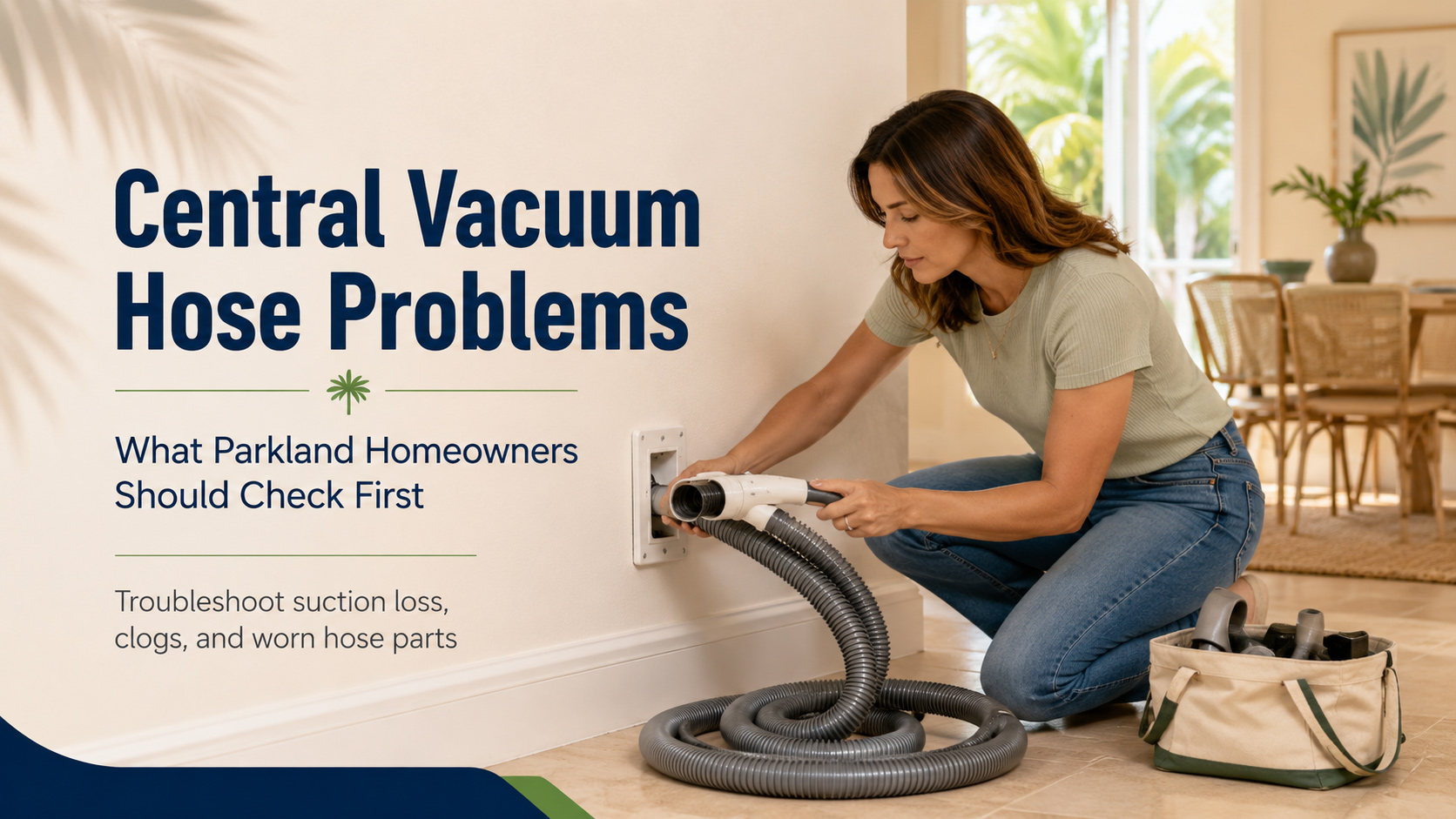
  • Central Vacuum Hose Problems: What Parkland Homeowners Should Check First

    Central Vacuum Hose Problems: What Parkland Homeowners Should Check First

    When your central vacuum suddenly loses suction or won’t turn on, it’s easy to assume the power unit has failed. However, for many Parkland homeowners, the real culprit isn’t the central vacuum system at all—it’s the hose.

    The hose is the most frequently used component of any central vacuum system. It’s pulled around furniture, stretched through hallways, bent around corners, and plugged into wall inlets thousands of times over its lifetime. As a result, hoses naturally experience more wear and tear than almost any other part of the system.

    Before you start shopping for a new power unit or scheduling a major repair, it’s worth taking a closer look at your hose. In many cases, replacing or repairing the hose can restore your system’s performance quickly and affordably.

    Why the Hose Is So Important

    Your central vacuum hose does much more than carry dirt to the vacuum system.

    Depending on your setup, it may also:

    • Deliver electrical power to an electric powerhead
    • Turn the vacuum system on and off
    • Control suction with an integrated switch
    • Connect securely to wall inlets
    • Support various cleaning attachments

    When any part of the hose fails, it can make the entire central vacuum system appear to be malfunctioning.

    Sign #1: Cracked or Split Hose

    One of the most common hose problems is physical damage.

    Over time, hoses can develop:

    • Small cracks
    • Splits near the handle
    • Tears from being pinched in doors
    • Worn sections from years of dragging across tile or concrete

    Even a small crack allows air to escape before it reaches the power unit, reducing suction throughout the cleaning process.

    Symptoms of a Cracked Hose

    • Weak suction
    • Whistling sounds
    • Reduced cleaning performance
    • Dirt left behind
    • Hose feels soft or collapses when in use

    Fortunately, replacing a damaged hose is often much less expensive than replacing your central vacuum system.

    Sign #2: A Clog Inside the Hose

    A clogged hose is another common issue that many homeowners mistake for a failing vacuum.

    Objects that frequently become lodged inside the hose include:

    • Pet toys
    • Socks
    • Paper towels
    • Large clumps of pet hair
    • Hair ties
    • Children’s toys
    • Excessive lint

    Because central vacuum hoses are long and flexible, debris can become trapped almost anywhere along their length.

    How to Tell if the Hose Is Clogged

    Try disconnecting the hose from both the wall inlet and your cleaning tools. Look through the hose toward a bright light. If you can’t see daylight clearly through the entire length, there’s likely an obstruction.

    Another simple test is to compare the suction directly at the wall inlet with the suction through the hose. If the inlet has strong suction but the hose does not, the hose is often the source of the problem.

    Sign #3: The Handle Switch Isn’t Working

    Many modern central vacuum hoses feature an on/off switch built into the handle. Over time, this switch can wear out due to frequent use.

    Common symptoms include:

    • The vacuum won’t turn on
    • The vacuum shuts off unexpectedly
    • The switch feels loose
    • The switch sticks
    • The vacuum only works intermittently

    Sometimes the switch itself is faulty. In other cases, the electrical wiring inside the handle has become damaged.

    Sign #4: Poor Electrical Connections

    Electric hoses contain wiring that powers motorized carpet brushes.

    If these electrical connections become damaged, you may notice:

    • The powerhead won’t run.
    • Carpet cleaning performance drops.
    • Sparks at the wall inlet.
    • The vacuum motor runs but the brush doesn’t spin.

    Loose electrical connections can develop over years of plugging and unplugging the hose or from accidental damage.

    Replacing a worn electric hose often restores full functionality without requiring repairs to the central vacuum unit itself.

    Sign #5: Loose Hose-to-Inlet Connection

    A hose should fit snugly into the wall inlet.

    If it feels loose, several problems can occur:

    • Air leaks
    • Reduced suction
    • Intermittent power
    • Difficulty keeping the hose connected

    Sometimes the hose cuff wears down over time. Other times, the inlet valve itself has become worn and no longer seals properly.

    Both issues are relatively inexpensive to repair compared to replacing the entire system.

    Sign #6: Attachments Don’t Fit Properly

    Not every attachment is compatible with every central vacuum hose.

    Over time, homeowners often purchase replacement tools that don’t match the diameter of their existing hose.

    Poor-fitting attachments can:

    • Fall off during cleaning
    • Leak air
    • Reduce suction
    • Scratch flooring
    • Limit cleaning efficiency

    If your tools constantly disconnect or wobble during use, it may simply be time for updated accessories designed to fit your hose correctly.
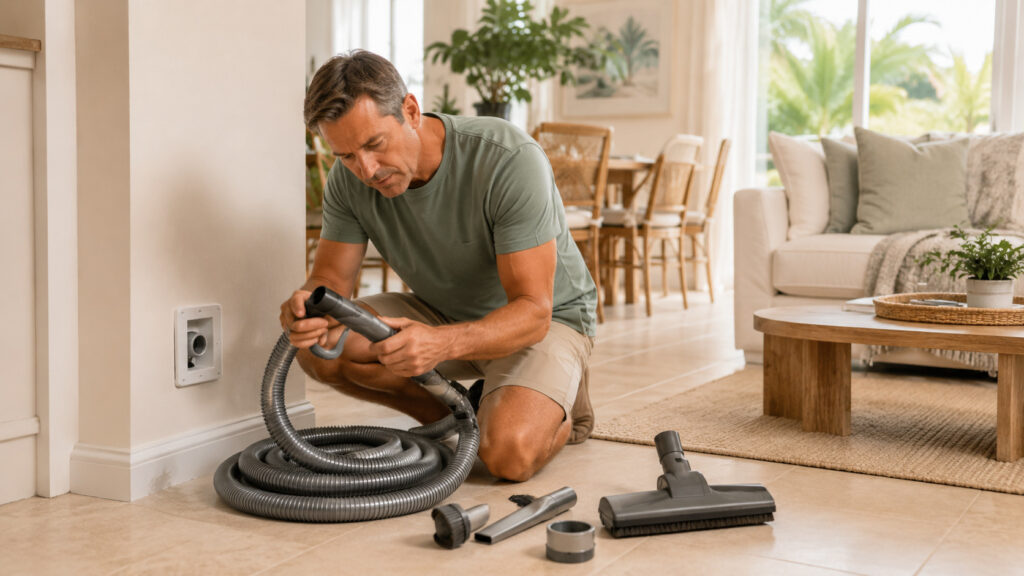
    Homeowner inspecting a central vacuum hose and attachments for clogs, wear, or damaged connections
    Checking the hose, handle, connections, and attachments can help pinpoint central vacuum problems before more extensive repairs are needed.

    When Should You Replace a Central Vacuum Hose?

    Although high-quality hoses are built to last for many years, they don’t last forever.

    Consider replacing your hose if:

    • It’s more than 10–15 years old.
    • Multiple cracks have developed.
    • Repairs no longer solve the problem.
    • The handle switch repeatedly fails.
    • Electrical connections are unreliable.
    • Suction remains weak despite clearing clogs.

    A new hose can dramatically improve your cleaning experience, especially when paired with updated accessories.

    Upgrading Your Accessories Can Improve Cleaning

    Many homeowners focus only on the hose but overlook aging attachments.

    New accessories can make your existing central vacuum system feel like new.

    Popular upgrades include:

    • Electric powerheads
    • Turbo brushes
    • Bare floor brushes
    • Pet grooming tools
    • Upholstery brushes
    • Dusting brushes
    • Crevice tools
    • Extension wands

    Modern attachment sets are lighter, more durable, and designed to clean today’s flooring more effectively.

    Preventing Future Hose Problems

    A few simple habits can extend the life of your hose:

    • Avoid pulling the hose around sharp corners.
    • Don’t pinch it in doors.
    • Store it loosely coiled rather than tightly wrapped.
    • Remove large objects from floors before vacuuming.
    • Inspect the hose regularly for cracks or wear.
    • Replace worn cuffs or handles before they cause bigger problems.

    Routine care can help your hose provide years of dependable service.

    Visit Gator Vacuum & Sewing for Central Vacuum Hose Replacement and Repair

    If your central vacuum isn’t performing the way it used to, don’t assume the power unit has failed. In many cases, the hose, handle, or accessories are the real source of the problem. Replacing a worn hose or upgrading outdated tools is often a fast and cost-effective solution that restores your system’s performance.

    At Gator Vacuum & Sewing, we carry high-quality central vacuum hoses, replacement handles, attachment kits, powerheads, and accessories for many of today’s leading central vacuum brands. Our experienced team can help you determine whether your hose needs replacement, recommend the correct parts, or inspect your system if a larger repair is needed.

    Whether you’re dealing with weak suction, electrical issues, damaged accessories, or simply need a new hose, we’re here to help homeowners throughout Parkland and the surrounding communities keep their built-in vacuum systems in Parkland performing at their best.

    Visit our showroom or contact us today for expert advice, quality replacement parts, and professional central vacuum service.
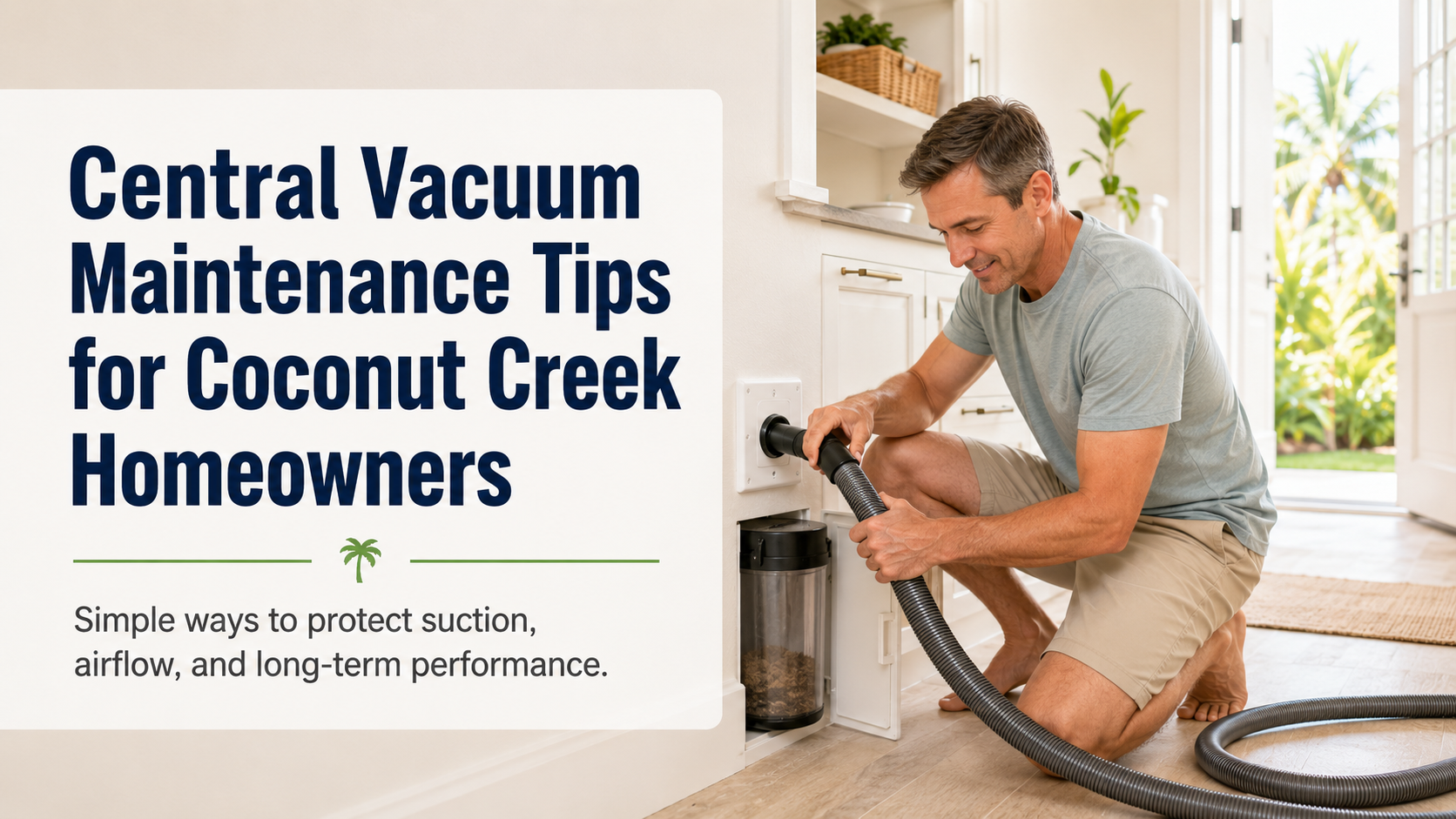

  • Central Vacuum Maintenance Tips for Coconut Creek Homeowners

    Central Vacuum Maintenance Tips for Coconut Creek Homeowners

    Central Vacuum Maintenance Tips for Coconut Creek Homeowners

    A central vacuum system is one of the most convenient cleaning upgrades a homeowner can have. It offers powerful suction, quieter operation, improved indoor air quality, and less hassle compared to dragging a portable vacuum from room to room. But like any home system, regular maintenance is essential to keep it operating efficiently year after year.

    Many Coconut Creek homeowners rarely think about their central vacuum until something goes wrong. By the time weak suction, strange noises, or overheating appear, the system may already be dealing with unnecessary wear and tear. Fortunately, a little preventative maintenance can go a long way toward avoiding expensive repairs and extending the life of your central vacuum system.

    At Gator Vacuum & Sewing Co., we help South Florida homeowners keep their systems running properly with professional central vacuum maintenance, repairs, and replacement parts. Here are some of the most important central vacuum maintenance tips every Coconut Creek homeowner should follow.

    Why Central Vacuum Maintenance Matters

    Unlike portable vacuums that are constantly visible, central vacuum systems are mostly hidden behind walls, inside garages, utility rooms, or closets. Because they operate out of sight, homeowners often forget they still require routine care.

    A neglected system can develop:

    • Weak suction
    • Overheating motors
    • Dust buildup
    • Clogged tubing
    • Reduced airflow
    • Poor cleaning performance
    • Shortened motor lifespan

    Routine maintenance helps prevent these problems while improving the overall efficiency of your home cleaning system.

    Empty the Dirt Canister Regularly

    One of the easiest but most important maintenance tasks is emptying the collection canister before it becomes overly full.

    When debris accumulates too high inside the canister:

    • Airflow becomes restricted
    • Suction power decreases
    • Dust odors may develop
    • Motors work harder than necessary

    For most Coconut Creek homeowners, checking the canister every few months is a good habit. Homes with pets, children, or heavy carpet use may require more frequent emptying.

    A simple schedule can prevent unnecessary strain on the system and help maintain strong suction throughout the home.

    Clean or Replace Central Vacuum Filters

    Filters play a major role in both airflow and indoor air quality. Over time, dust and debris clog the filter material, making the motor work harder to pull air through the system.

    Depending on your central vacuum model, your system may use:

    • Washable filters
    • Disposable filters
    • Self-cleaning filtration systems
    • HEPA-style filtration

    Dirty filters can lead to:

    • Reduced suction
    • Motor overheating
    • Dust escaping into the air
    • Burning smells
    • Increased wear on internal components

    Many homeowners forget about filters entirely because they are hidden inside the power unit. Checking and cleaning them at least once or twice a year can make a noticeable difference in system performance.

    Inspect Vacuum Hoses for Damage

    Your hose handles constant movement, bending, and pulling during everyday use. Even small cracks or leaks can reduce suction dramatically.

    During routine maintenance, inspect the hose for:

    • Splits or tears
    • Loose handle connections
    • Air leaks
    • Crushed sections
    • Electrical connection problems

    If you hear hissing noises or notice weak suction only when using a particular hose, the hose itself may be the problem.

    Replacing a damaged hose early is far less expensive than allowing the system to overwork itself compensating for lost airflow.

    Check Wall Inlets Throughout the Home

    Wall inlet valves are another overlooked component of central vacuum systems. Over time, inlet doors can loosen, seals can wear out, or debris can collect inside the opening.

    A yearly inspection should include:

    • Testing suction at each inlet
    • Checking for loose mounting plates
    • Inspecting inlet doors for proper sealing
    • Cleaning visible debris around the opening

    If one inlet has noticeably weaker suction than the others, it may indicate a blockage or leak within that section of tubing.

    For larger homes in Coconut Creek, catching these issues early can help avoid more complicated repairs later.

    Listen for Changes in Motor Sound

    Your central vacuum motor usually develops a familiar operating sound over time. If the motor suddenly sounds louder, rougher, or inconsistent, it may be warning you about a developing issue.

    Pay attention to:

    • Grinding noises
    • High-pitched whining
    • Rattling sounds
    • Excessive vibration
    • Intermittent operation

    Motor changes often indicate:

    • Worn bearings
    • Internal debris buildup
    • Cooling issues
    • Electrical problems
    • Aging motor components

    Ignoring unusual sounds can eventually lead to total motor failure. Professional inspection can often identify problems before the motor completely burns out.

    Homeowner checking a central vacuum filter and hose in a bright laundry room
    Checking filters, hoses, and canisters regularly can help prevent weak suction and unnecessary central vacuum repairs.

    Test Suction Throughout the House

    One of the best ways to monitor your system’s health is by testing suction at multiple inlets periodically.

    Walk through the house and check:

    • Suction consistency
    • Airflow strength
    • Hose responsiveness
    • Carpet cleaning performance

    Weak suction in one area may indicate:

    • A clogged line
    • Cracked tubing
    • An inlet leak
    • A blockage behind the wall

    If the entire system feels weaker than normal, the issue may involve the filter, canister, hose, or motor itself.

    Routine testing helps homeowners spot problems before they become major repairs.

    Watch for Clogs Before They Become Serious

    Central vacuum systems can accidentally collect items that should never enter the tubing system, including:

    • Small toys
    • Socks
    • Large paper products
    • Excessive pet hair
    • Construction debris

    Partial clogs often develop gradually, reducing airflow little by little until cleaning performance becomes noticeably weaker.

    Warning signs include:

    • Reduced suction
    • Strange airflow sounds
    • Debris backing up
    • System overheating

    Professional clog removal tools can safely clear blockages without damaging hidden tubing inside your walls.

    South Florida Homes Need Extra Attention

    Coconut Creek homeowners often deal with factors that increase central vacuum maintenance needs, including:

    • High humidity
    • Sand and fine dust
    • Pet hair
    • Heavy year-round cleaning demands
    • Tile flooring with grout dust
    • Seasonal allergens

    These conditions can place additional stress on filters and motors, making routine maintenance even more important in South Florida homes.

    Seasonal Central Vacuum Maintenance Checklist

    Here’s a simple yearly checklist homeowners can follow to keep their central vacuum system running efficiently:

    Every 3-6 Months

    • Empty dirt canister
    • Inspect hose for cracks
    • Check suction performance
    • Clean visible debris from wall inlets

    Every 6-12 Months

    • Clean or replace filters
    • Inspect motor sound
    • Test every wall inlet
    • Check powerhead and attachments
    • Inspect for air leaks

    As Needed

    • Remove clogs
    • Replace damaged hoses
    • Repair inlet valves
    • Schedule professional diagnostics

    Following a simple maintenance routine can help avoid costly repairs and improve the lifespan of the entire system.

    Professional Central Vacuum Maintenance Near Coconut Creek

    While homeowners can handle basic maintenance tasks, professional inspections help identify hidden problems before they turn into expensive failures. Gator Vacuum & Sewing Co. helps Coconut Creek homeowners maintain, troubleshoot, and repair built-in vacuums in Coconut Creek from many major brands.

    Professional maintenance can include:

    • Full airflow testing
    • Motor inspection
    • Filter replacement
    • Clog detection
    • Hose diagnostics
    • Inlet repair
    • Suction performance testing
    • System troubleshooting

    Regular service helps protect your investment while keeping your home cleaner and your system operating at peak performance.

    Keep Your Central Vacuum Running Strong

    A central vacuum system is designed to last for many years, but only if it receives proper care along the way. Simple maintenance steps like emptying the canister, cleaning filters, checking hoses, and monitoring suction can prevent many common problems before they start.

    For Coconut Creek homeowners, staying proactive with central vacuum maintenance can improve cleaning performance, extend motor life, and reduce the likelihood of unexpected breakdowns.

    If your system has lost suction, developed unusual noises, or simply hasn’t been inspected in years, Gator Vacuum & Sewing Co. is here to help with professional central vacuum maintenance and repair services.