
Broward: 954-341-4323
Palm Beach: 561-558-0770

MEGA SHOWROOM:
9853 W. Sample Rd,
Coral Springs, FL 33065
HOURS: M-F: 9am-6pm SAT: 10am-4pm

Tag: vacuum maintenance

  • Vacuuming Tips for Tamarac Homes with Tile Floors, Pets, and Allergies

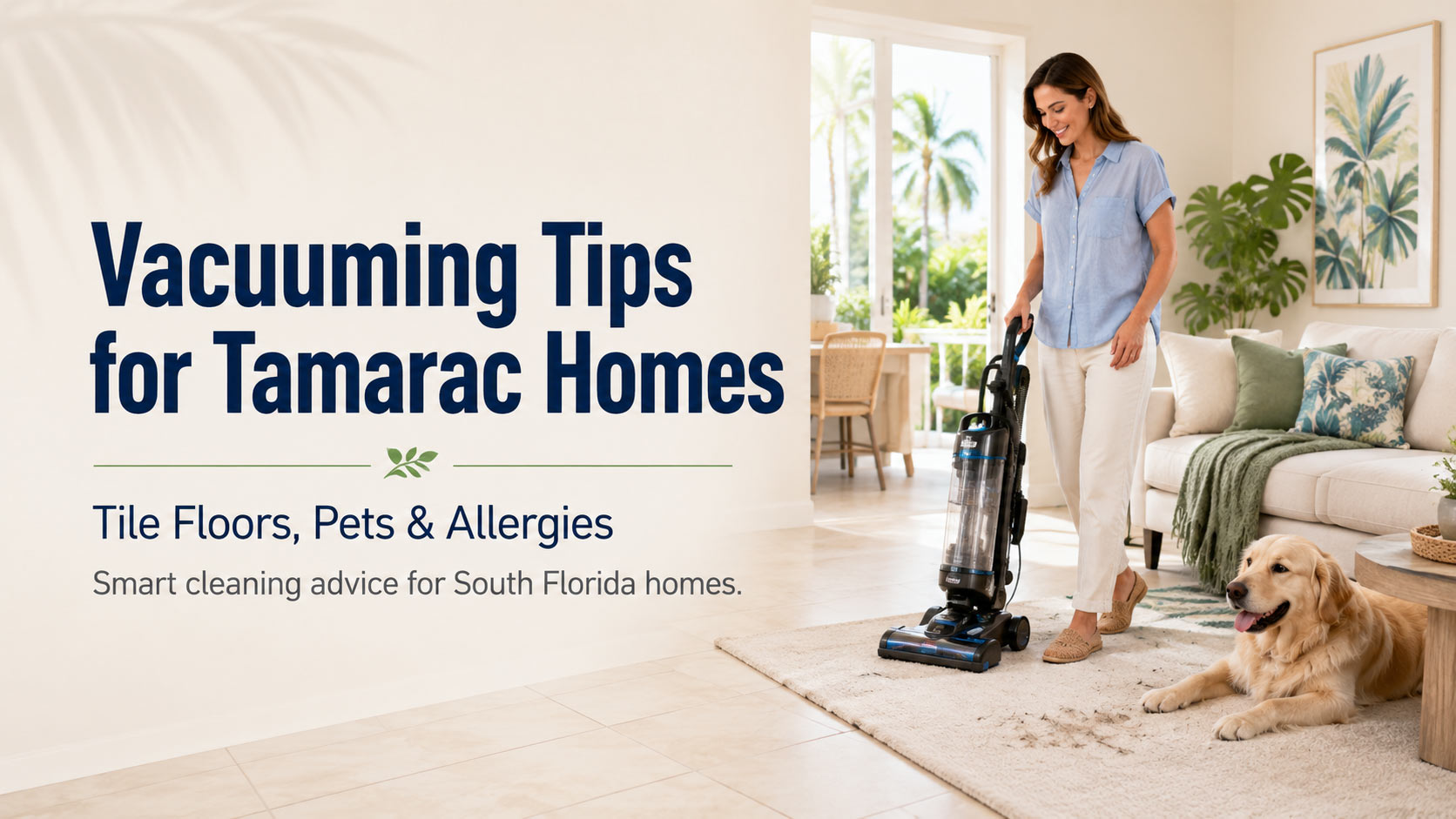
    Vacuuming Tips for Tamarac Homes with Tile Floors, Pets, and Allergies

    Keeping a home clean in South Florida comes with unique challenges. Between tile floors, pet hair, sand, humidity, pollen, and year-round dust, many Tamarac homeowners feel like they are constantly vacuuming but still struggling with indoor allergens and debris buildup.

    The truth is, using the wrong vacuum or poor vacuuming techniques can actually make indoor air quality worse by scattering dust and allergens back into the air instead of removing them. For homes with pets or allergy concerns, choosing the right vacuum setup and cleaning routine can make a major difference.

    At Gator Vacuum & Sewing Co., we help Tamarac homeowners find better cleaning solutions for Florida living. Whether you use a portable vacuum or a central vacuum system, these vacuuming tips can help improve cleaning performance while reducing dust, pet hair, and allergens throughout your home.

    Why South Florida Homes Need Different Vacuuming Strategies

    Tamarac homes experience environmental conditions that create unique cleaning demands, including:

    • Tile and hard flooring
    • Pet hair buildup
    • Fine sand tracked indoors
    • High humidity
    • Pollen and seasonal allergens
    • Dust from air conditioning systems
    • Area rugs that trap debris

    Unlike carpet-heavy homes in other regions, South Florida homes often combine large tile surfaces with smaller rugs and pet-friendly living spaces. This requires vacuum systems that can handle both hard floors and embedded debris without scattering particles into the air.

    Tile Floors Still Need Regular Vacuuming

    Many homeowners assume tile floors only need sweeping or mopping, but sweeping alone often pushes fine dust, pet dander, and allergens around instead of fully removing them.

    Vacuuming tile floors helps remove:

    • Fine dust particles
    • Sand and grit
    • Pet hair
    • Pollen
    • Dirt trapped in grout lines
    • Allergens hiding along baseboards

    Tile floors also show dust more quickly because debris remains visible on the surface instead of sinking into carpet fibers.

    For Tamarac homeowners with allergies, vacuuming hard floors regularly is one of the best ways to improve indoor air quality.

    Use the Right Vacuum Attachment for Tile Floors

    Using the wrong vacuum head on tile can reduce cleaning effectiveness and sometimes damage flooring.

    For hard floors, the best attachments usually include:

    • Soft-bristle floor brushes
    • Bare floor attachments
    • Hard floor tools with rubber wheels
    • Air-driven tools designed for tile

    Avoid aggressive carpet brush rolls on delicate tile or grout whenever possible. Some brush rolls can scatter debris instead of capturing it, especially fine sand and dust common in South Florida homes.

    The right attachment helps lift particles without blowing them across the room.

    Pet Hair Requires More Than Just Strong Suction

    Pet owners in Tamarac know how quickly fur accumulates on tile floors, rugs, furniture, and along baseboards. But suction alone is not always enough to control pet hair effectively.

    A good pet-friendly vacuum should include:

    • Strong airflow
    • Proper brush design
    • Sealed filtration
    • Upholstery tools
    • Crevice attachments

    Pet hair often collects in:

    • Corners
    • Under furniture
    • Air vents
    • Area rugs
    • Upholstered furniture

    Homes with multiple pets may benefit from vacuuming several times per week to keep dander and hair from circulating through the home.

    Why HEPA Filtration Matters for Allergies

    One of the biggest mistakes homeowners make is focusing only on suction power while ignoring filtration quality.

    A vacuum without proper filtration may:

    • Blow allergens back into the air
    • Scatter dust throughout the room
    • Release fine pet dander
    • Spread pollen particles

    HEPA filtration systems help trap:

    • Dust mites
    • Pet dander
    • Fine dust
    • Pollen
    • Allergy-triggering particles

    For Tamarac households with allergy sufferers, asthma concerns, or pets, a sealed HEPA filtration system can make a noticeable difference in air quality.

    Central Vacuums Can Improve Indoor Air Quality

    Many South Florida homeowners choose central vacuum systems because they remove dust and allergens more effectively than many portable vacuums.

    Unlike traditional vacuums that recirculate air indoors, central vacuum systems typically exhaust dirt and particles away from living spaces.

    Benefits often include:

    • Better suction power
    • Reduced airborne dust
    • Quieter operation
    • Improved allergen control
    • Less recirculated pet dander

    For homes with tile floors and allergy concerns, central vacuum systems can provide more consistent whole-home cleaning performance.

    Don’t Forget Area Rugs

    Even in homes with mostly tile flooring, area rugs trap:

    • Pet hair
    • Sand
    • Pollen
    • Dust
    • Allergens

    Rugs often require more frequent vacuuming than hard floors because debris becomes embedded in the fibers.

    Tips for vacuuming area rugs include:

    • Vacuum slowly for better debris removal
    • Use height-adjustable powerheads
    • Vacuum both sides when possible
    • Pay attention to rug edges and corners

    Homes with pets may need rug cleaning multiple times per week to control odors and allergens.
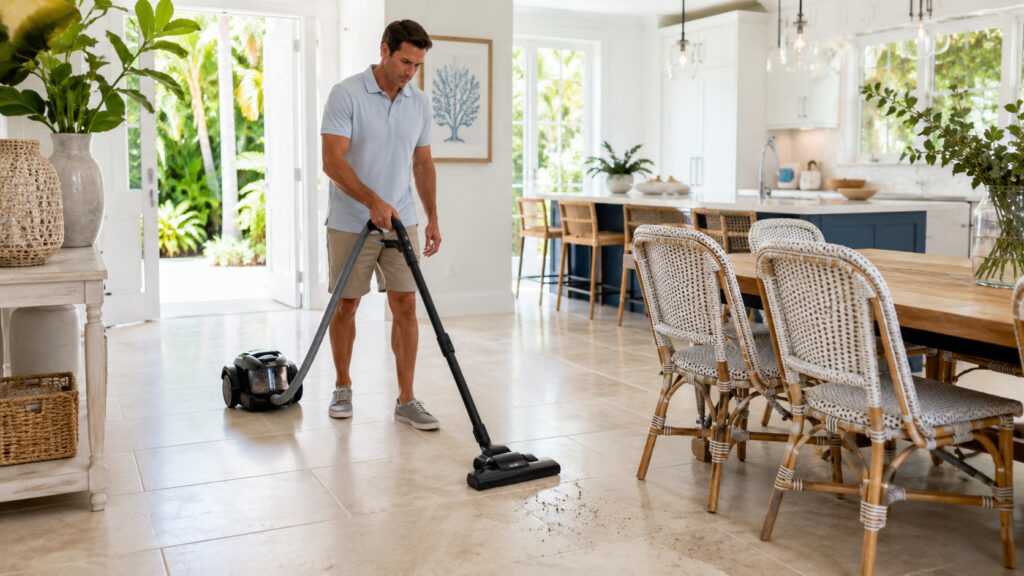
    Man using a canister vacuum to remove sand and debris from tile floors in a South Florida home
    The right vacuum and floor attachment can help remove sand, dust, pet hair, and allergens from tile floors.

    Sand Is Tough on Vacuum Systems

    One of the biggest cleaning challenges in South Florida is fine sand. Whether it comes from shoes, pets, beaches, playgrounds, or outdoor activities, sand is highly abrasive and can wear down vacuum components over time.

    Sand can:

    • Damage brush rolls
    • Clog filters
    • Reduce airflow
    • Wear out motors
    • Scratch flooring if not removed properly

    Frequent filter cleaning and proper vacuum maintenance are especially important for Tamarac homeowners dealing with sand and fine debris year-round.

    Vacuum Frequency Matters

    One of the best ways to reduce allergens is maintaining a consistent vacuuming schedule.

    Recommended Vacuuming Frequency

    Homes with Pets

    • Vacuum high-traffic areas 3–4 times weekly
    • Vacuum rugs at least twice weekly

    Homes with Allergies

    • Vacuum frequently to control dust and pollen
    • Use HEPA filtration whenever possible

    Tile Floor Homes

    • Vacuum instead of dry sweeping when possible
    • Focus on corners, grout lines, and baseboards

    Frequent light cleaning is usually more effective than waiting for heavy buildup.

    Common Vacuum Mistakes Homeowners Make

    Many cleaning problems come from using the wrong vacuum or poor maintenance habits.

    Common mistakes include:

    • Using clogged filters
    • Vacuuming too quickly
    • Using carpet settings on tile
    • Ignoring hose blockages
    • Waiting too long to empty dust containers
    • Using worn brush rolls
    • Skipping maintenance

    Even a high-quality vacuum performs poorly if airflow is restricted or filters are dirty.

    Signs Your Vacuum Isn’t Cleaning Properly

    If your home still feels dusty after vacuuming, your machine may not be performing correctly.

    Warning signs include:

    • Dust blowing from the vacuum
    • Weak suction
    • Burning smells
    • Excessive noise
    • Pet hair left behind
    • Dirt scattering on tile floors
    • Allergy symptoms worsening after cleaning

    Professional vacuum service can often restore airflow, suction, and filtration performance.

    Professional Vacuum Service Near Tamarac

    At Gator Vacuum & Sewing Co., we help Tamarac homeowners maintain and repair vacuum systems designed for South Florida homes. Whether you own a central vacuum, upright vacuum, canister vacuum, or pet-focused cleaning system, proper maintenance helps improve cleaning performance and extend equipment life.

    We assist with:

    • Vacuum repairs
    • Filter replacement
    • Central vacuum maintenance
    • Suction troubleshooting
    • Powerhead repair
    • Hose replacement
    • Vacuum tune-ups
    • Allergy-focused vacuum recommendations

    Using the right vacuum system for your flooring, pets, and indoor air quality needs can make everyday cleaning much easier.

    Better Vacuuming Starts with the Right Equipment

    Tile floors, pet hair, dust, pollen, and sand create constant cleaning challenges for Tamarac homeowners. But with the right vacuum, proper filtration, and consistent maintenance, you can dramatically improve both cleaning performance and indoor air quality.

    If your vacuum is struggling with pet hair, scattering dust across tile floors, or losing suction, Gator Vacuum & Sewing Co. can help you find the right solution for your home and keep your vacuum operating at peak performance year-round.
  • Central Vacuum Hose Problems: What Parkland Homeowners Should Check First

    Central Vacuum Hose Problems: What Parkland Homeowners Should Check First

    Central Vacuum Hose Problems: What Parkland Homeowners Should Check First

    When your central vacuum suddenly loses suction or won’t turn on, it’s easy to assume the power unit has failed. However, for many Parkland homeowners, the real culprit isn’t the central vacuum system at all-it’s the hose.

    The hose is the most frequently used component of any central vacuum system. It’s pulled around furniture, stretched through hallways, bent around corners, and plugged into wall inlets thousands of times over its lifetime. As a result, hoses naturally experience more wear and tear than almost any other part of the system.

    Before you start shopping for a new power unit or scheduling a major repair, it’s worth taking a closer look at your hose. In many cases, replacing or repairing the hose can restore your system’s performance quickly and affordably.

    Why the Hose Is So Important

    Your central vacuum hose does much more than carry dirt to the vacuum system. Depending on your setup, it may also:

    • Deliver electrical power to an electric powerhead
    • Turn the vacuum system on and off
    • Control suction with an integrated switch
    • Connect securely to wall inlets
    • Support various cleaning attachments

    When any part of the hose fails, it can make the entire central vacuum system appear to be malfunctioning.

    Sign #1: Cracked or Split Hose

    One of the most common hose problems is physical damage. Over time, hoses can develop:

    • Small cracks
    • Splits near the handle
    • Tears from being pinched in doors
    • Worn sections from years of dragging across tile or concrete

    Even a small crack allows air to escape before it reaches the power unit, reducing suction throughout the cleaning process.

    Symptoms of a Cracked Hose

    • Weak suction
    • Whistling sounds
    • Reduced cleaning performance
    • Dirt left behind
    • Hose feels soft or collapses when in use

    Fortunately, replacing a damaged hose is often much less expensive than replacing your central vacuum system.

    Sign #2: A Clog Inside the Hose

    A clogged hose is another common issue that many homeowners mistake for a failing vacuum. Objects that frequently become lodged inside the hose include:

    • Pet toys
    • Socks
    • Paper towels
    • Large clumps of pet hair
    • Hair ties
    • Children’s toys
    • Excessive lint

    Because central vacuum hoses are long and flexible, debris can become trapped almost anywhere along their length.

    How to Tell if the Hose Is Clogged

    Try disconnecting the hose from both the wall inlet and your cleaning tools. Look through the hose toward a bright light. If you can’t see daylight clearly through the entire length, there’s likely an obstruction.

    Another simple test is to compare the suction directly at the wall inlet with the suction through the hose. If the inlet has strong suction but the hose does not, the hose is often the source of the problem.

    Sign #3: The Handle Switch Isn’t Working

    Many modern central vacuum hoses feature an on/off switch built into the handle. Over time, this switch can wear out due to frequent use. Common symptoms include:

    • The vacuum won’t turn on
    • The vacuum shuts off unexpectedly
    • The switch feels loose
    • The switch sticks
    • The vacuum only works intermittently

    Sometimes the switch itself is faulty. In other cases, the electrical wiring inside the handle has become damaged.

    Sign #4: Poor Electrical Connections

    Electric hoses contain wiring that powers motorized carpet brushes. If these electrical connections become damaged, you may notice:

    • The powerhead won’t run.
    • Carpet cleaning performance drops.
    • Sparks at the wall inlet.
    • The vacuum motor runs but the brush doesn’t spin.

    Loose electrical connections can develop over years of plugging and unplugging the hose or from accidental damage. Replacing a worn electric hose often restores full functionality without requiring repairs to the central vacuum unit itself.

    Sign #5: Loose Hose-to-Inlet Connection

    A hose should fit snugly into the wall inlet. If it feels loose, several problems can occur:

    • Air leaks
    • Reduced suction
    • Intermittent power
    • Difficulty keeping the hose connected

    Sometimes the hose cuff wears down over time. Other times, the inlet valve itself has become worn and no longer seals properly. Both issues are relatively inexpensive to repair compared to replacing the entire system.

    Sign #6: Attachments Don’t Fit Properly

    Not every attachment is compatible with every central vacuum hose. Over time, homeowners often purchase replacement tools that don’t match the diameter of their existing hose. Poor-fitting attachments can:

    • Fall off during cleaning
    • Leak air
    • Reduce suction
    • Scratch flooring
    • Limit cleaning efficiency

    If your tools constantly disconnect or wobble during use, it may simply be time for updated accessories designed to fit your hose correctly.

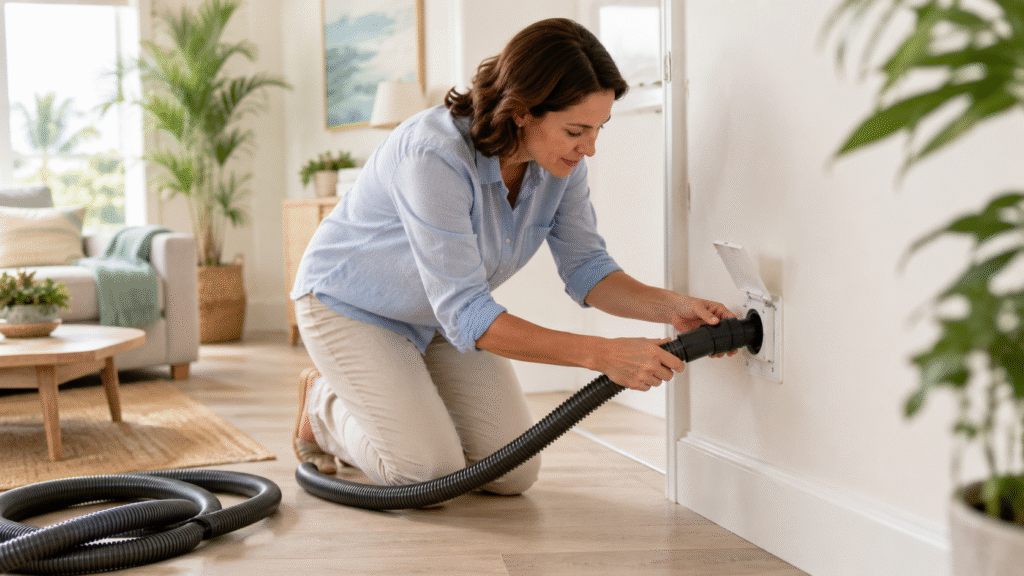
    Woman connecting a central vacuum hose to a wall inlet in a bright living room
    Checking the hose, handle, electrical contacts, and wall inlet can help pinpoint many central vacuum problems.

    When Should You Replace a Central Vacuum Hose?

    Although high-quality hoses are built to last for many years, they don’t last forever. Consider replacing your hose if:

    • It’s more than 10-15 years old.
    • Multiple cracks have developed.
    • Repairs no longer solve the problem.
    • The handle switch repeatedly fails.
    • Electrical connections are unreliable.
    • Suction remains weak despite clearing clogs.

    A new hose can dramatically improve your cleaning experience, especially when paired with updated accessories.

    Upgrading Your Accessories Can Improve Cleaning

    Many homeowners focus only on the hose but overlook aging attachments. New accessories can make your existing central vacuum system feel like new. Popular upgrades include:

    • Electric powerheads
    • Turbo brushes
    • Bare floor brushes
    • Pet grooming tools
    • Upholstery brushes
    • Dusting brushes
    • Crevice tools
    • Extension wands

    Modern attachment sets are lighter, more durable, and designed to clean today’s flooring more effectively.

    Preventing Future Hose Problems

    A few simple habits can extend the life of your hose:

    • Avoid pulling the hose around sharp corners.
    • Don’t pinch it in doors.
    • Store it loosely coiled rather than tightly wrapped.
    • Remove large objects from floors before vacuuming.
    • Inspect the hose regularly for cracks or wear.
    • Replace worn cuffs or handles before they cause bigger problems.

    Routine care can help your hose provide years of dependable service.

    Visit Gator Vacuum & Sewing for Central Vacuum Hose Replacement and Repair

    If your central vacuum isn’t performing the way it used to, don’t assume the power unit has failed. In many cases, the hose, handle, or accessories are the real source of the problem. Replacing a worn hose or upgrading outdated tools is often a fast and cost-effective solution that restores your system’s performance.

    At Gator Vacuum & Sewing, we carry high-quality central vacuum hoses, replacement handles, attachment kits, powerheads, and accessories for many of today’s leading central vacuum brands. Our experienced team can help you determine whether your hose needs replacement, recommend the correct parts, or inspect your system if a larger repair is needed.

    Whether you’re dealing with weak suction, electrical issues, damaged accessories, or simply need a new hose, we’re here to help homeowners throughout Parkland and the surrounding communities keep their central vacuum systems performing at their best. Visit our showroom or contact us today for expert advice, quality replacement parts, and professional central vacuum service.

  • Should You Repair or Replace Your Vacuum? A Tamarac Homeowner’s Guide

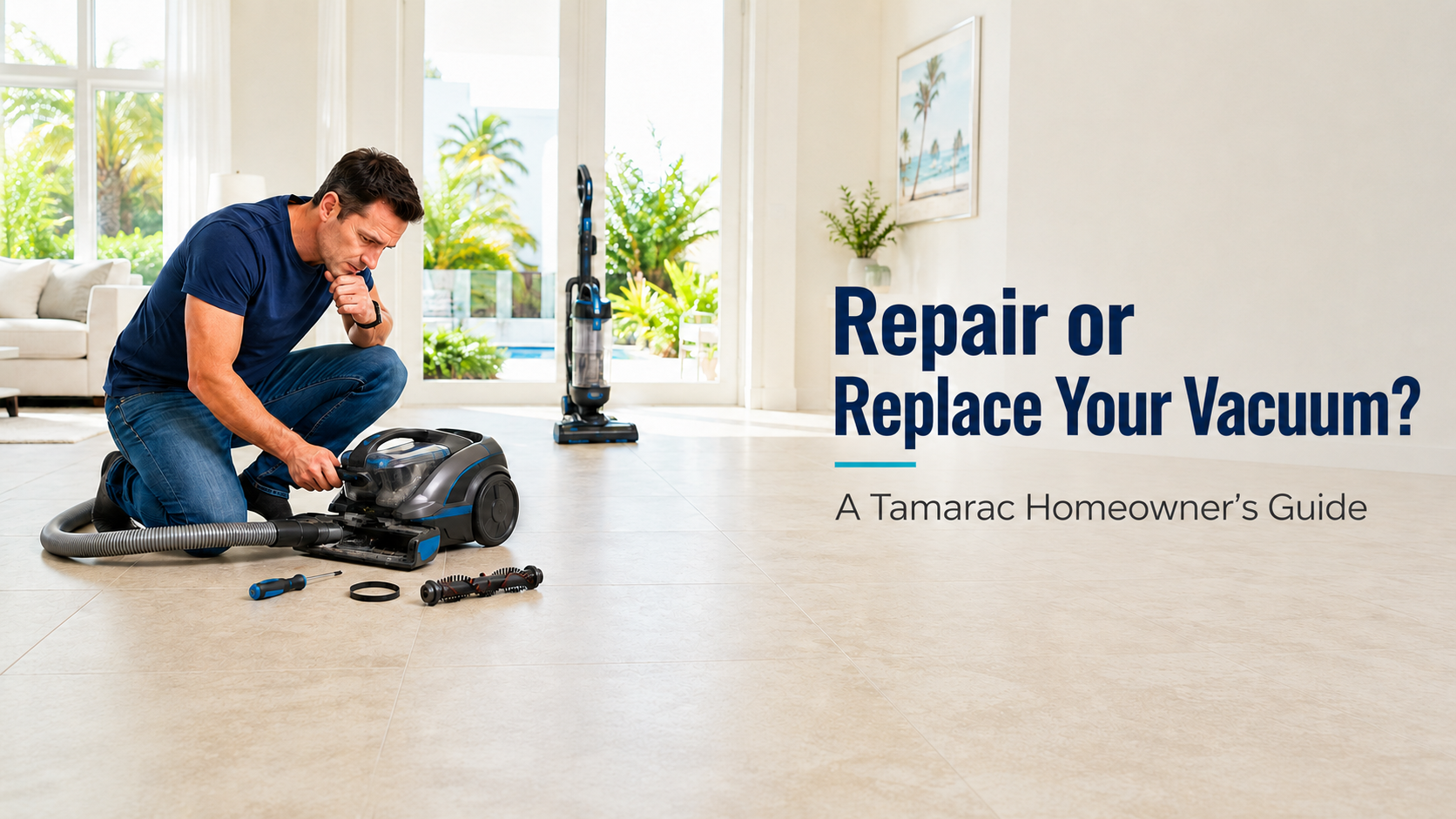
    Should You Repair or Replace Your Vacuum? A Tamarac Homeowner’s Guide

    Should You Repair or Replace Your Vacuum? A Tamarac Homeowner’s Guide

    A vacuum cleaner is one of the hardest-working appliances in your home. In Tamarac and throughout Broward County, vacuums deal with constant challenges like tile-floor dust, pet hair, sand, allergens, and heavy daily use.

    Eventually, every homeowner faces the same question:

    Should you repair your vacuum or replace it entirely?

    Sometimes the answer is obvious. Other times, a simple repair can restore years of reliable performance and save you hundreds of dollars.

    The key is understanding what problems are worth fixing, when replacement makes more sense, and how to choose the best option for your home and budget.

    For homeowners in Tamarac, Coral Springs, Margate, and nearby areas, Gator Vacuum and Sewing helps customers with both professional vacuum repairs and replacement vacuum sales, making it easier to find the right long-term solution.

    Why Vacuum Problems Are Common in South Florida Homes

    South Florida homes create unique wear and tear on vacuum systems.

    Common issues include:

    • Sand damaging brushrolls and belts
    • Pet hair clogging hoses
    • Fine dust overwhelming filters
    • Humidity contributing to dirt buildup
    • Heavy use on large tile floors
    • Constant debris from indoor-outdoor living

    Even high-quality vacuums eventually experience performance issues.

    The important thing is determining whether the vacuum still has enough life left to justify repair.

    Start With the Age of the Vacuum

    The age of your vacuum is one of the biggest decision factors.

    Vacuums Worth Repairing

    In many cases, repairing makes sense when:

    • The vacuum is under 8 to 10 years old
    • The motor still runs well
    • The vacuum was originally high quality
    • Replacement parts are still available
    • The repair is relatively minor

    Higher-end vacuums are often built to last significantly longer than cheaper retail models.

    A quality vacuum that receives proper maintenance can provide many additional years of service after repair.

    When Replacement Makes More Sense

    Replacement may be smarter if:

    • The vacuum is very old
    • Multiple components are failing
    • Repair costs are excessive
    • Parts are discontinued
    • The vacuum no longer meets your cleaning needs

    Many inexpensive vacuums are designed more like disposable appliances than long-term investments.

    How to Tell if Your Vacuum Has Lost Suction

    Weak suction is one of the most common complaints homeowners have.

    However, low suction doesn’t always mean the vacuum is dying.

    Sometimes the issue is simple.

    Common causes include:

    • Full bags or canisters
    • Dirty filters
    • Clogged hoses
    • Blocked brushrolls
    • Worn belts
    • Air leaks

    At Gator Vacuum and Sewing, many vacuums that appear “dead” are actually repairable with basic service and maintenance.

    Broken Belts: A Common and Affordable Repair

    Vacuum belts wear out over time, especially in homes with:

    • Pets
    • Thick rugs
    • Heavy debris
    • Long hair buildup

    Signs of a broken or worn belt include:

    • Brushroll not spinning
    • Burning smell
    • Poor carpet cleaning
    • Sudden loss of agitation

    Fortunately, belt replacement is usually inexpensive and straightforward.

    Many homeowners replace an otherwise functional vacuum unnecessarily because they assume major damage has occurred.

    Clogged Hoses Can Mimic Serious Problems

    A clogged hose can make even a powerful vacuum feel weak.

    South Florida homes often create blockages from:

    • Pet hair
    • Sand
    • Dust buildup
    • Small toys or debris
    • Excess lint

    Symptoms may include:

    • Reduced airflow
    • Strange noises
    • Overheating
    • Poor pickup performance

    Professional cleaning and inspection can often restore full performance quickly.

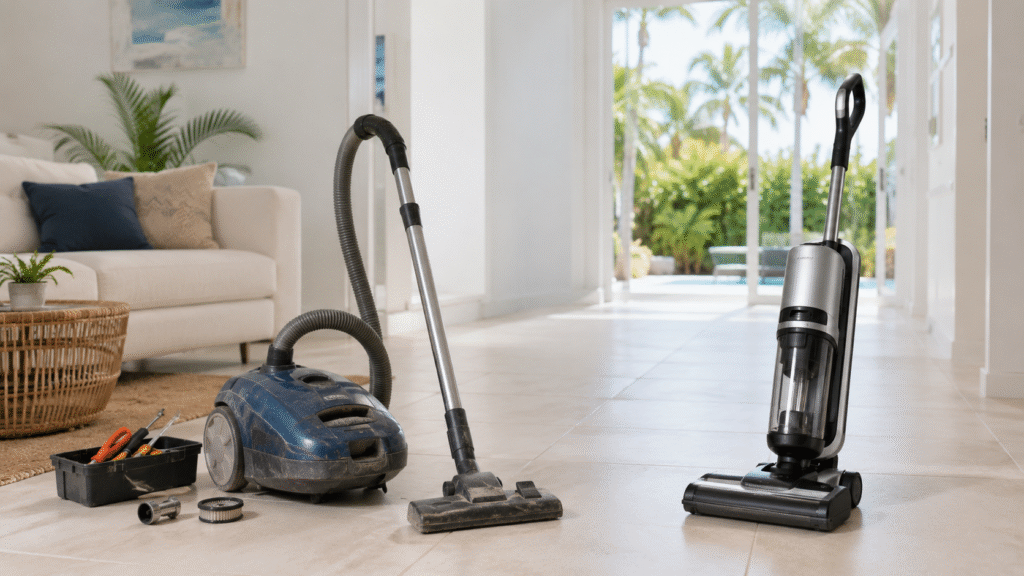
    Older vacuum with repair tools beside a newer vacuum in a Tamarac home
    Comparing an older vacuum with a newer model can help homeowners decide whether repair or replacement makes more sense.

    Motor Problems: Repair or Replace?

    Motor issues require closer evaluation.

    Signs of motor trouble include:

    • Loud whining noises
    • Burning odors
    • Intermittent shutdowns
    • Overheating
    • Failure to power on
    • Electrical smells

    For higher-end vacuums or central vacuum systems, motor replacement is often worthwhile.

    For lower-cost retail vacuums, replacement may be more practical depending on repair costs.

    At Gator Vacuum and Sewing, technicians can evaluate whether motor replacement makes financial sense compared to buying a new machine.

    Missing or Damaged Parts

    Many homeowners continue struggling with vacuums missing important components.

    Common missing or damaged parts include:

    • Attachments
    • Wand sections
    • Floor tools
    • Hoses
    • Brushrolls
    • Powerheads
    • Handles

    In many cases, replacing individual parts can restore functionality without replacing the entire vacuum.

    This is especially true for higher-quality machines designed with replaceable components.

    Is Your Vacuum Still Right for Your Home?

    Sometimes the vacuum itself still works, but it no longer fits your lifestyle or home.

    For example:

    • A small vacuum may struggle in a larger home
    • A carpet vacuum may perform poorly on tile floors
    • A lightweight stick vacuum may not handle pet hair well
    • An older machine may lack modern HEPA filtration

    As homes change, cleaning needs often change too.

    Many Tamarac homeowners are upgrading to:

    • Better pet-hair vacuums
    • HEPA filtration systems
    • Central vacuum systems
    • More powerful canister vacuums
    • Lightweight maneuverable designs

    If your current vacuum constantly frustrates you, replacement may improve both cleaning results and convenience.

    When Repairing Your Vacuum Saves Money

    Repairing usually makes sense when:

    • The vacuum is high quality
    • Repair costs are reasonable
    • The vacuum still meets your needs
    • The motor is healthy
    • Replacement parts are available

    A professional tune-up may include:

    • Deep cleaning
    • Filter replacement
    • Belt replacement
    • Brushroll cleaning
    • Electrical inspection
    • Hose unclogging
    • Suction testing

    These repairs can dramatically improve performance for far less than replacement cost.

    When Buying a New Vacuum Is the Better Investment

    Replacement may be the better choice if:

    • Repairs approach replacement cost
    • The vacuum repeatedly breaks down
    • Suction remains poor after repairs
    • Filtration is outdated
    • The vacuum struggles with pets
    • Your flooring has changed
    • The machine overheats regularly

    Investing in a better vacuum can:

    • Improve indoor air quality
    • Reduce cleaning time
    • Increase reliability
    • Improve pet hair removal
    • Make vacuuming less frustrating

    Why Professional Advice Matters

    One reason homeowners trust Gator Vacuum and Sewing is because the goal isn’t simply selling a new vacuum.

    Sometimes the best solution is:

    • A repair
    • A replacement hose
    • A new powerhead
    • Updated attachments
    • A central vacuum upgrade
    • A completely new machine

    Getting honest recommendations helps homeowners avoid unnecessary spending while still improving cleaning performance.

    Central Vacuum Repair vs. Replacement

    Many Broward County homeowners assume older central vacuum systems need complete replacement when performance declines.

    In reality, many systems only need:

    • Motor replacement
    • New hoses
    • Updated powerheads
    • Inlet repairs
    • Filter replacement

    Central vacuum systems are often designed to last decades with proper maintenance.

    Repairing or upgrading an existing system can often restore excellent cleaning power without major renovation costs.

    Signs It’s Time for a Vacuum Evaluation

    If you notice any of these issues, it may be time for professional inspection:

    • Weak suction
    • Burning smells
    • Loud noises
    • Frequent clogs
    • Brushroll not spinning
    • Dust blowing into the air
    • Poor pet hair pickup
    • Overheating
    • Electrical issues
    • Cracked hoses or broken attachments

    Catching problems early often prevents more expensive repairs later.

    Final Thoughts

    Deciding whether to repair or replace your vacuum depends on several factors:

    • Age
    • Repair cost
    • Performance
    • Home size
    • Flooring type
    • Pets
    • Indoor air quality needs

    For Tamarac homeowners, the best solution isn’t always replacing the vacuum, and it isn’t always repairing it either.

    That’s why many local homeowners turn to Gator Vacuum and Sewing for honest advice, professional vacuum repairs, replacement parts, central vacuum service, and quality new vacuum systems.

    Whether your vacuum needs a quick repair, an upgraded attachment, or a complete replacement, getting expert guidance can help you make the smartest long-term decision for your home and cleaning needs.