
Broward: 954-341-4323
Palm Beach: 561-558-0770

MEGA SHOWROOM:
9853 W. Sample Rd,
Coral Springs, FL 33065
HOURS: M-F: 9am-6pm SAT: 10am-4pm

Category: Maintain Your Central Vacuum

Get helpful tips for maintaining your central vacuum system, from routine cleaning and filter care to hose checks and performance troubleshooting. This category is focused on keeping your system running efficiently and extending its lifespan.

  • The Hidden Health Risks of Using an Inefficient Central Vacuum Cleaner

    The Hidden Health Risks of Using an Inefficient Central Vacuum Cleaner

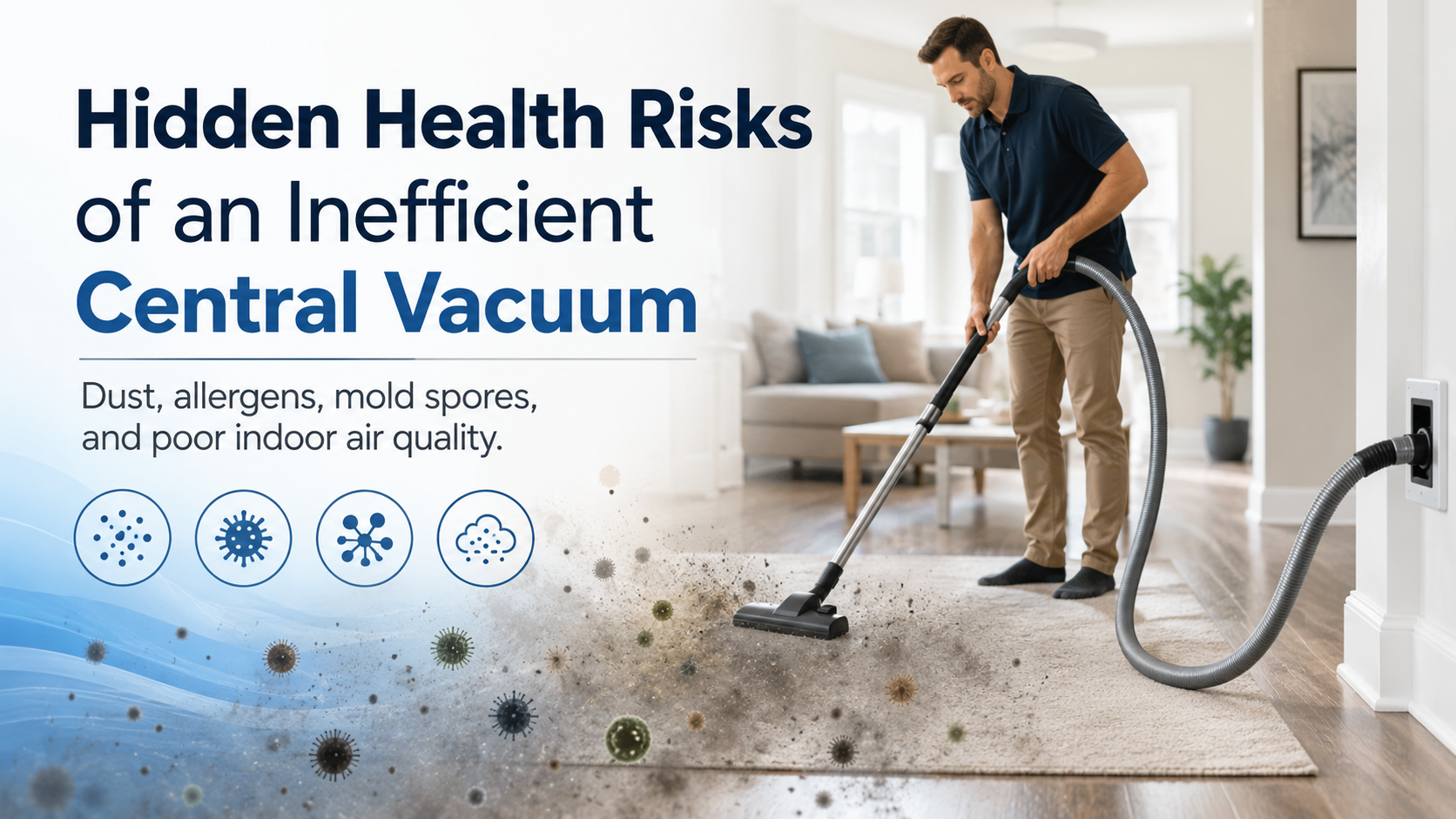
    A central vacuum system is often considered a healthier cleaning solution, but when that system is outdated or poorly performing, it can contribute to indoor air quality problems. Central vacuum inefficiency does not just reduce cleaning effectiveness; it can negatively impact your health by redistributing dust, allergens, and mold back into your living space.

    Let’s explore the vacuum health risks associated with inefficient systems and how they affect air quality, allergies, and respiratory health.

    How Central Vacuum Inefficiency Impacts Indoor Air Quality

    An inefficient central vacuum cleaner may lack proper suction, filtration, or airflow control. When this happens, debris is not fully captured, and microscopic particles can be released back into the air.

    If your system is losing suction or no longer cleaning the way it should, Gator Vacuum offers central vacuum parts, repair, and service for homeowners who need help restoring performance.

    Common causes of inefficiency include:

    • Worn or clogged filters
    • Leaking hoses or pipe connections
    • Weak motors or poor airflow
    • Outdated filtration systems

    These issues contribute directly to poor air quality, especially in homes with high foot traffic, pets, or allergy-sensitive family members.

    Dust Mites and Allergens Are Left Behind

    Dust mites thrive in carpets, upholstery, and bedding. When a vacuum lacks sufficient suction or agitation, it fails to remove them effectively.

    An inefficient system may:

    • Leave dust mite waste embedded in carpet fibers
    • Spread allergens instead of capturing them
    • Trigger allergic reactions during and after cleaning

    For individuals with sensitivities, routine vacuuming can become a hidden health hazard rather than a solution.

    Vacuuming Can Spread Mold Spores

    In homes with humidity or moisture issues, mold spores may already be present in carpets, floor cracks, or other hidden areas. A poorly sealed or inefficient central vacuum can pull mold spores into the system and exhaust them back into the home.

    This can increase:

    • Respiratory irritation
    • Allergy flare-ups
    • Long-term indoor air contamination

    Proper filtration and airtight system performance are essential to help prevent mold spores from becoming airborne during cleaning.

    Asthma and Cleaning: A Risky Combination with Inefficient Vacuums

    For people managing asthma, cleaning should improve air quality, not make it worse. Unfortunately, asthma and cleaning often conflict when vacuums lack adequate filtration or suction.

    Inefficient vacuums can:

    • Release fine dust particles back into breathing zones
    • Trigger coughing, wheezing, or chest tightness
    • Cause delayed asthma symptoms hours after cleaning

    This is especially concerning for children, seniors, and anyone with chronic respiratory conditions.

    Poor Air Quality Can Affect the Whole Household

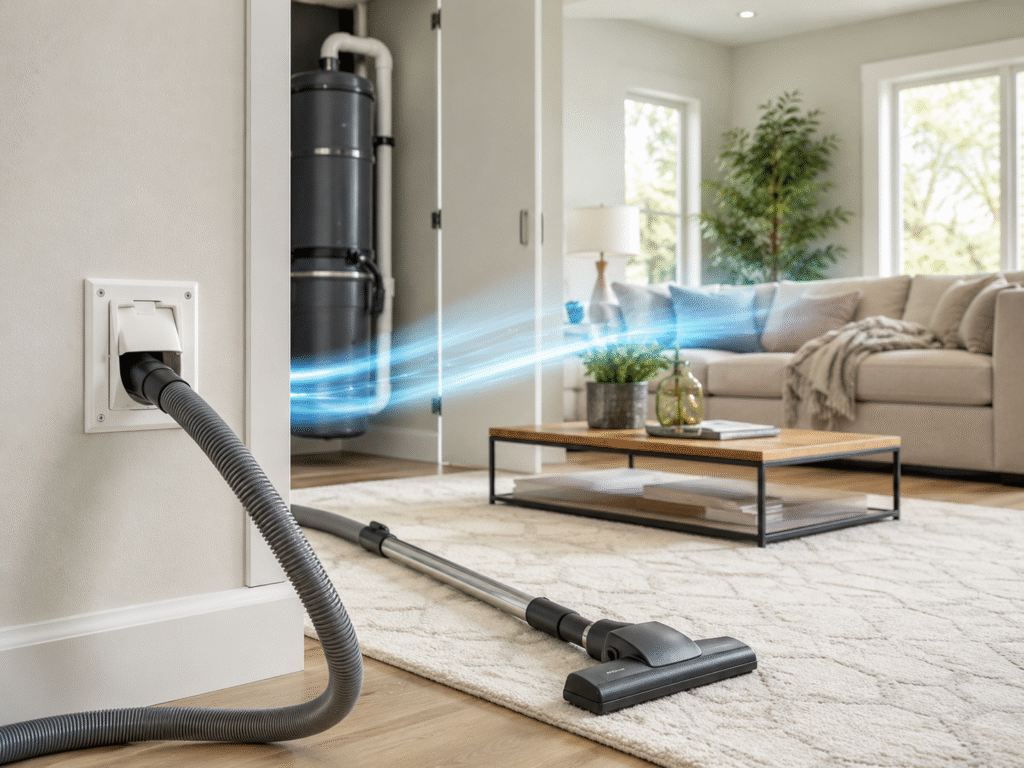
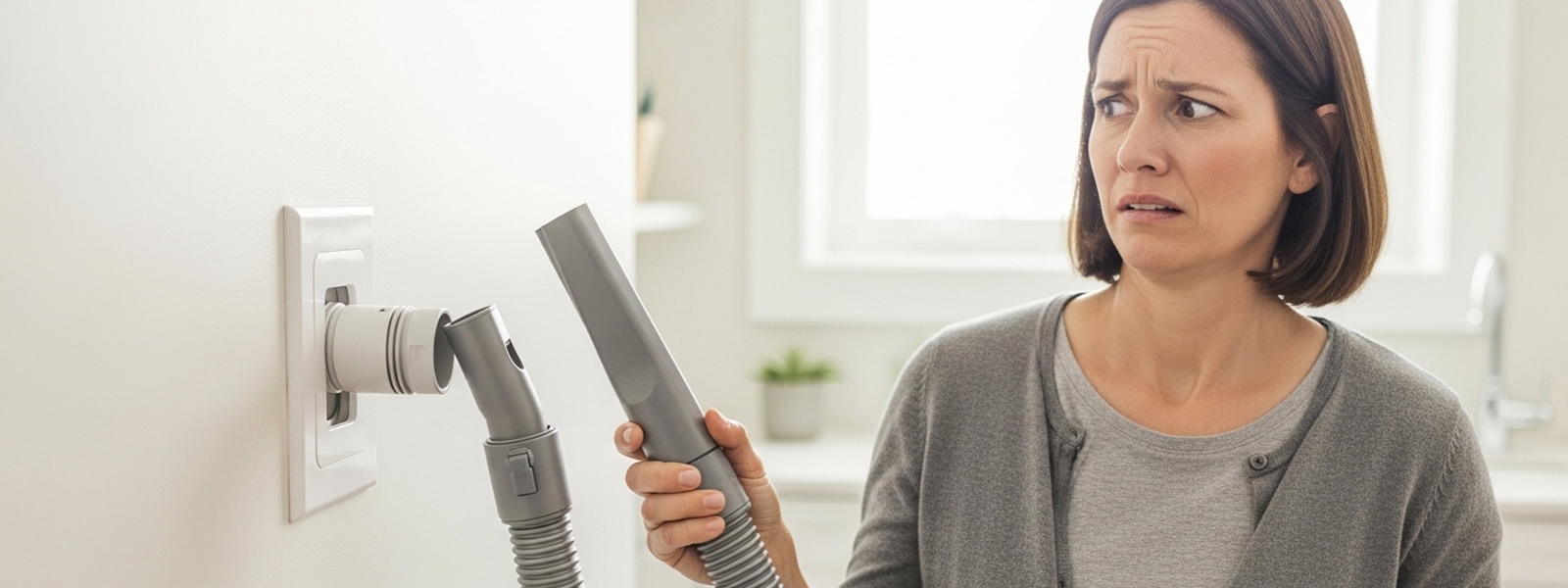
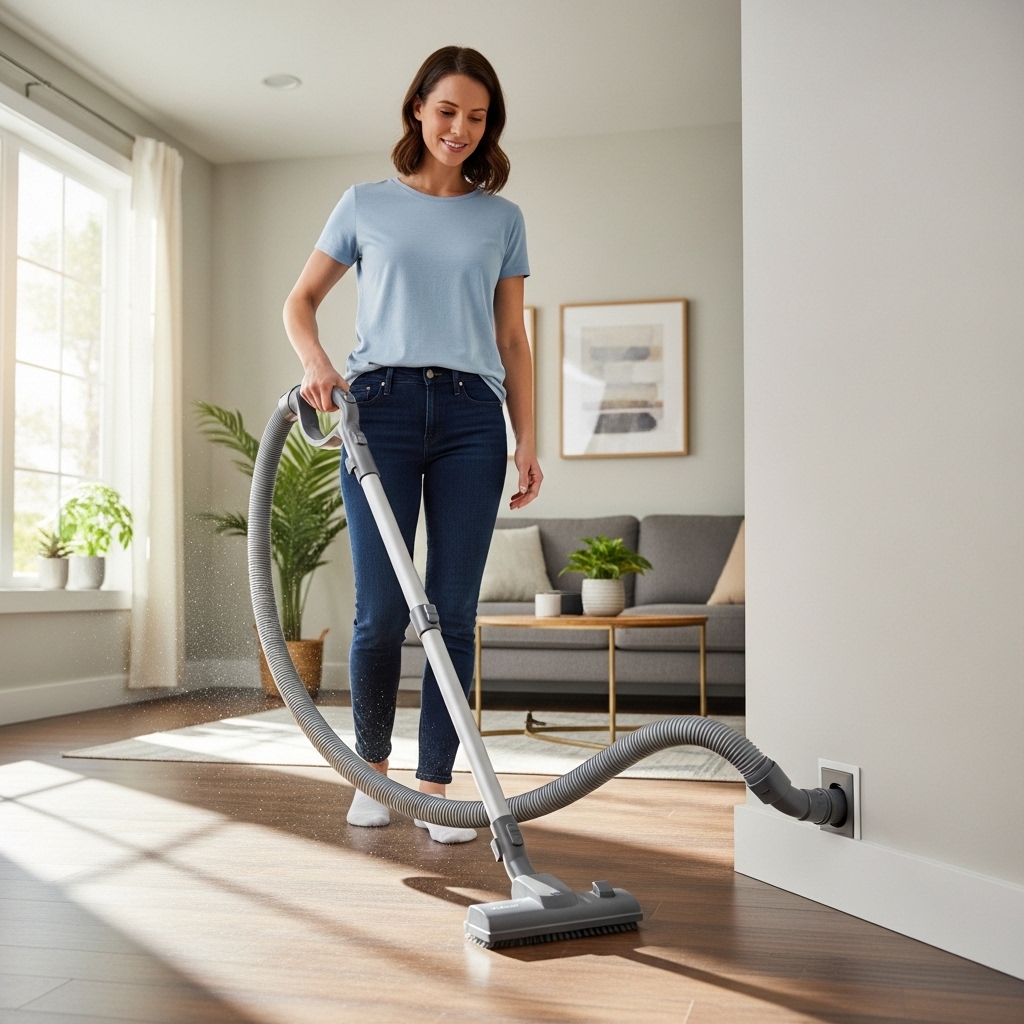
    Central vacuum hose connected to a wall inlet in a clean living room, showing airflow from the vacuum system.

    Even if symptoms are not immediately noticeable, ongoing exposure to airborne particles can affect long-term comfort and health inside the home.

    Potential consequences include:

    Sleep disturbances

    Increased respiratory irritation

    Chronic sinus issues

    Headaches and fatigue

    Over time, these vacuum health risks can quietly reduce the overall quality of life for the entire household.

    Signs Your Central Vacuum May Be Inefficient

    Watch for these warning signs:

    • Dust settles quickly after vacuuming
    • Musty odors appear during or after use
    • Suction feels weaker than normal
    • Airflow is inconsistent from room to room
    • Allergy or asthma symptoms increase after cleaning

    If you notice these issues, your system may be contributing to poor air quality rather than improving it. A professional central vacuum tune-up can help identify suction problems, worn parts, clogs, or maintenance issues before they become bigger headaches.

    How to Reduce Health Risks from Your Central Vacuum

    To protect your home and health, regular maintenance matters. A central vacuum system works best when airflow, suction, hoses, seals, and filtration are all doing their job.

    To reduce health risks:

    • Replace or clean filters regularly
    • Make sure hoses and connections are airtight
    • Use high-quality filtration or HEPA-rated components when available
    • Address weak suction or strange odors quickly
    • Upgrade outdated central vacuum units when needed

    For homeowners maintaining older systems, replacing worn bags and filtration products can make a major difference. Gator Vacuum carries vacuum bags and filters for many makes and models.

    Final Thoughts: A Clean Home Should Support Healthy Living

    Vacuuming should make your home healthier, not put your family at risk. An inefficient central vacuum cleaner can unknowingly spread dust mites, mold spores, and allergens, worsening indoor air quality and triggering respiratory issues.

    By addressing central vacuum inefficiency and maintaining or upgrading your system, you can reduce vacuum health risks and create a cleaner, safer environment for everyone in your home.

  • Central Vacuum Repair Near Margate: Why Weak Suction Shouldn’t Be Ignored

    Central Vacuum Repair Near Margate: Why Weak Suction Shouldn’t Be Ignored

    A central vacuum system is designed to make cleaning easier, quieter, and more powerful than a portable vacuum. But when your system suddenly loses suction, cleaning becomes frustrating fast. Many homeowners in Margate assume weak suction means the entire system is failing, but in many cases, the problem can be repaired quickly and affordably by an experienced technician.

    If your central vacuum is not performing the way it used to, ignoring the warning signs can lead to bigger repairs later. At Gator Vacuum & Sewing Co., we help homeowners throughout Margate and surrounding Broward County communities diagnose and repair central vacuum problems before they become major system failures.

    For local service information, visit our page for central vacuum repair in Margate.

    Why Central Vacuum Systems Lose Suction

    Weak suction is one of the most common complaints with built-in vacuum systems. Unlike portable vacuums, central vacuum systems rely on a network of tubing installed behind your walls. When airflow is interrupted anywhere in the system, cleaning performance drops dramatically.

    Several issues can cause suction loss, and some are more serious than others.

    1. Clogged Central Vacuum Tubing

    One of the most common causes of reduced suction is a clog somewhere in the tubing system. Over time, debris such as pet hair, dust buildup, children’s toys, socks, paper towels, or excessive dirt can create a blockage.

    Homeowners often notice:

    • Poor suction at every inlet
    • Strange whistling sounds
    • Debris backing up into the hose
    • System overheating
    • Reduced airflow in larger rooms

    Professional central vacuum repair technicians use specialized tools to locate and remove clogs without damaging the tubing hidden behind your walls. If you live in Margate and your central vacuum suddenly loses power, a clogged line is one of the first things that should be checked.

    2. Cracked or Damaged Vacuum Hoses

    Your hose is another common failure point. Central vacuum hoses experience years of pulling, twisting, stretching, and accidental damage. Even a small crack can dramatically reduce airflow.

    Signs of a damaged hose include:

    • Weak suction only when using one hose
    • Hissing noises
    • Loss of power while vacuuming
    • Visible splits or tears
    • Electrical issues with powerheads

    Sometimes homeowners replace expensive components unnecessarily when the real issue is simply a leaking hose. A proper inspection can quickly identify whether the hose, wand, or attachment is causing the problem.

    3. Dirty Filters Restrict Airflow

    Many homeowners forget that central vacuum filters require regular maintenance. As filters become packed with dust and debris, airflow becomes restricted and suction drops.

    Dirty filters can also cause:

    • Burning smells
    • Overheating motors
    • Dust escaping into the air
    • Increased strain on the power unit
    • Reduced motor lifespan

    Depending on the brand and model, your system may use washable filters, replaceable filters, or self-cleaning filtration systems. Regular maintenance helps protect both suction power and indoor air quality.

    For homeowners in Margate with pets, heavy carpet use, or allergy concerns, filter maintenance is especially important.

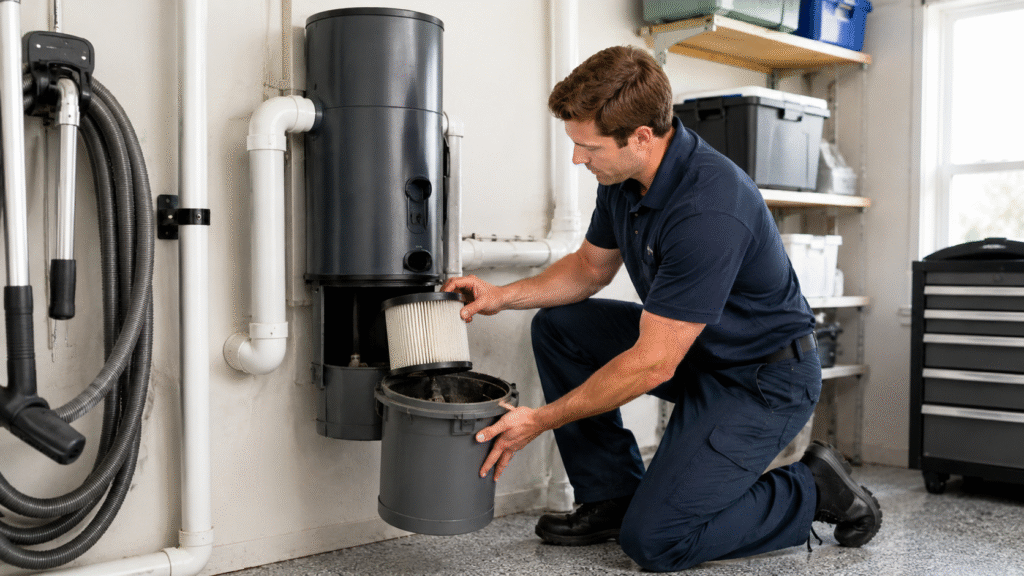
    4. Full Dirt Canisters Reduce Performance

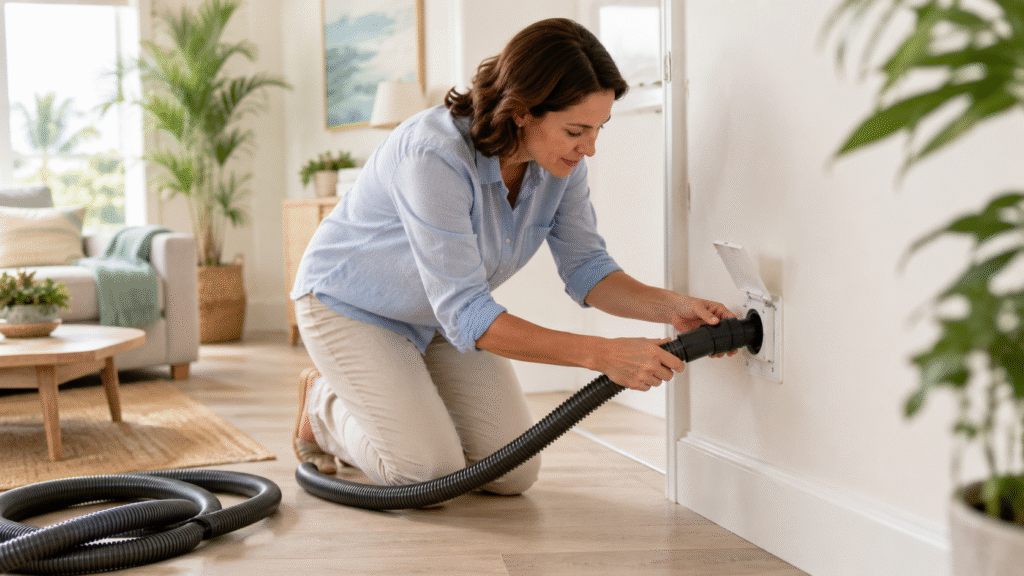
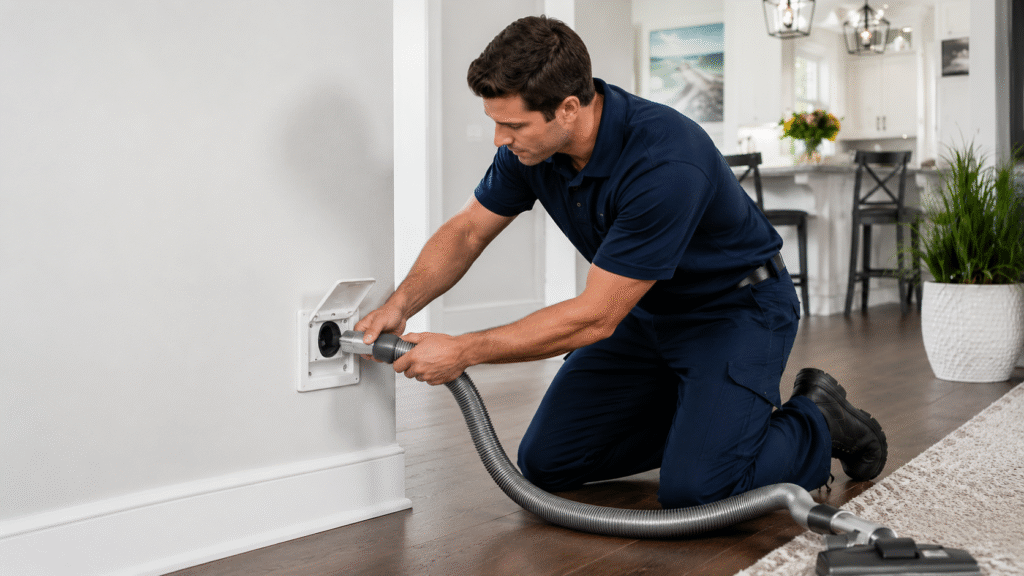
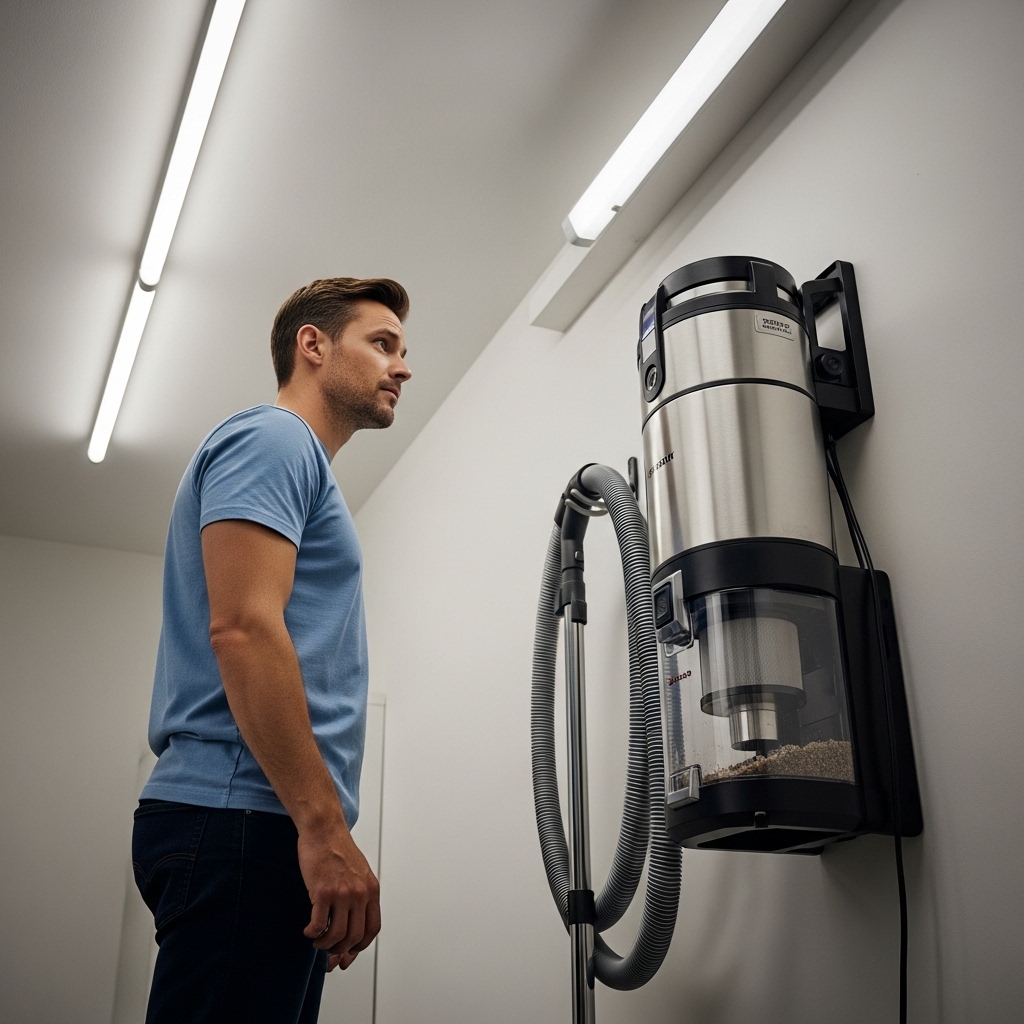
    Technician checking a central vacuum wall inlet and hose connection for weak suction

    Another simple but often overlooked issue is an overfilled dirt canister. When the collection container becomes too full, airflow inside the system is restricted.

    Symptoms of a full canister include:

    Reduced pickup on carpets

    Gradual suction loss

    Dust odors

    System running louder than normal

    Many central vacuum owners wait too long between emptying the canister because the debris is stored remotely in the garage or utility area. Regular inspections help keep the system operating efficiently.

    5. Worn-Out Central Vacuum Motors

    If your central vacuum system is older, the motor itself may be wearing out. Most central vacuum motors last many years, but eventually components wear down from heat, dust exposure, and heavy use.

    Common motor warning signs include:

    • Intermittent power
    • Loud grinding noises
    • Burning smells
    • Reduced suction throughout the house
    • System shutting off unexpectedly

    A failing motor should not be ignored. In many cases, replacing the motor can restore the entire system without needing a complete replacement. At Gator Vacuum & Sewing Co., we help homeowners determine whether a repair or motor replacement makes the most financial sense.

    You can also learn more about our broader central vacuum repair, parts, and service options.

    6. Blocked or Leaking Inlets

    Wall inlet valves can also contribute to suction problems. If an inlet door fails to seal correctly or develops leaks, airflow weakens throughout the system.

    Some homeowners also experience:

    • Inlets that no longer activate the vacuum
    • Loose mounting plates
    • Cracked inlet valves
    • Air leaks inside walls

    Even a small leak can reduce cleaning performance, especially in larger homes with longer tubing runs. Professional central vacuum troubleshooting involves checking every part of the system, not just the main unit.

    Why You Shouldn’t Ignore Weak Suction

    Weak suction is rarely a problem that fixes itself. In fact, continuing to run a struggling system often places additional stress on the motor and other components.

    Ignoring central vacuum problems can lead to:

    • Complete motor failure
    • Higher repair costs
    • Reduced cleaning effectiveness
    • Poor indoor air quality
    • Overheating and electrical damage
    • Shortened system lifespan

    The earlier the issue is diagnosed, the easier and more affordable the repair usually becomes.

    Professional Central Vacuum Troubleshooting Near Margate

    Technician checking a central vacuum wall inlet and hose connection for weak suction

    Central vacuum systems are more complex than portable vacuums because the issue may exist anywhere within the tubing network, hose, inlet system, or power unit.

    Proper troubleshooting requires experience with both airflow diagnostics and central vacuum repair.

    At Gator Vacuum & Sewing Co., we work with many major central vacuum brands and systems. We help homeowners throughout Margate identify the real cause of suction loss instead of guessing or replacing unnecessary parts.

    Our repair services commonly include:

    • Central vacuum suction diagnostics
    • Clog removal
    • Hose replacement
    • Filter replacement
    • Motor repair and replacement
    • Inlet valve repair
    • System airflow testing
    • Electrical troubleshooting
    • Central vacuum maintenance

    Whether your system has slowly lost performance over time or stopped working suddenly, professional diagnosis can often save you from replacing the entire unit.

    Signs It’s Time to Schedule Central Vacuum Repair

    If you notice any of the following problems, it’s a good idea to schedule service before the issue worsens:

    • Weak suction throughout the home
    • Strange odors while vacuuming
    • Loud motor noises
    • Inconsistent power
    • Hissing sounds
    • Poor carpet cleaning performance
    • Overheating
    • Inlets not working properly
    • Debris getting stuck in tubing

    Many central vacuum issues start small but become expensive if left unresolved.

    Quick FAQ: Central Vacuum Repair Near Margate

    Why did my central vacuum suddenly lose suction?

    Sudden suction loss is often caused by a clog, a leaking hose, a dirty filter, a full dirt canister, or a problem with the motor or wall inlets. A technician can test the system to find where airflow is being restricted.

    Can a central vacuum clog be repaired without replacing the system?

    Yes. In many cases, a clogged central vacuum line can be cleared without replacing the system. Professional tools can help locate and remove blockages inside the tubing network.

    Is weak suction a sign that my central vacuum motor is failing?

    It can be, but weak suction does not always mean the motor is bad. Filters, hoses, inlets, canisters, and tubing should also be checked before assuming the motor needs replacement.

    Trusted Central Vacuum Repair Near Margate

    A properly functioning central vacuum system should provide powerful suction, quieter operation, and reliable whole-home cleaning. If your system is struggling, don’t assume replacement is your only option.

    Gator Vacuum & Sewing Co. helps homeowners throughout Margate restore performance with professional central vacuum troubleshooting and repair services. From clogged tubing and leaking hoses to worn motors and blocked inlets, identifying the source of suction loss early can help extend the life of your entire system.

    If your central vacuum has lost suction, now is the time to have it professionally inspected before a small issue turns into a major repair. Contact Gator Vacuum & Sewing Co. to schedule service or ask a question about your central vacuum system.
  • Top 5 Vacuuming Mistakes You’re Probably Making (And How to Avoid Them)

    Top 5 Vacuuming Mistakes You’re Probably Making (And How to Avoid Them)

    Top 5 Vacuuming Mistakes You’re Probably Making (And How to Avoid Them)

    Vacuuming seems simple—but many homeowners unknowingly make mistakes that reduce cleaning effectiveness, shorten the life of their vacuum, and leave dirt behind.

    If your floors still feel dusty after cleaning, the issue may not be your vacuum—it’s how you’re using it.

    This guide breaks down the most common vacuuming mistakes and shows you how to vacuum properly for cleaner floors, better air quality, and longer-lasting equipment.

    1. Using the Wrong Vacuum Setting for Your Floor Type

    One of the most common vacuuming mistakes is using the same setting across all surfaces. Carpet, tile, and hardwood each require different approaches.

    Cleaning Floor

    Why It’s a Problem:

    Brush rolls can scratch or damage hard floors

    Incorrect height settings reduce suction on carpet

    Dirt gets pushed instead of removed

    How to Avoid Vacuuming Mistakes:

    • Adjust brush height for carpet pile
    • Turn off brush rolls on hardwood and tile
    • Use suction-only modes for delicate surfaces

    If your vacuum struggles to adapt, it may be time to consider upgrading to a more efficient solution like a central vacuum system that delivers consistent suction across your entire home.

    2. Vacuuming Too Fast

    Speed feels productive—but it’s one of the biggest reasons dirt gets left behind.

    Why It’s a Problem:

    • Embedded debris isn’t fully lifted
    • Fine dust stays trapped in fibers
    • Allergens remain in your home

    How to Avoid It:

    • Move slowly and steadily
    • Overlap each pass slightly
    • Let the brush roll do the work

    If your vacuum still isn’t performing properly even with better technique, it may need servicing. Scheduling a
    professional vacuum repair service can restore suction and improve performance quickly.

    3. Using the Wrong Attachments (or Not Using Them at All)

    Attachments aren’t extras—they’re essential tools.

    Vacuum Attachments

    Why It’s a Problem:

    Floors get partially cleaned

    Dust builds up in corners and edges

    Upholstery and baseboards are neglected

    How to Avoid It:

    • Use powerheads for carpet
    • Switch to hard floor brushes for tile and wood
    • Use crevice tools for tight spaces

    Using the right tools ensures a deeper clean and helps prevent dirt from redistributing throughout your home.

    4. Overusing or Neglecting Filters

    Filters are critical for both suction and indoor air quality.

    Why It’s a Problem:

    • Reduced airflow and suction
    • Dust recirculates into the air
    • Motor strain shortens lifespan

    How to Avoid It:

    • Clean washable filters regularly
    • Replace disposable filters on schedule
    • Never vacuum with a dirty filter

    For homeowners dealing with dust or allergies, upgrading to a central vacuum installation can significantly improve indoor air quality by venting debris outside the living space.

    5. Ignoring Vacuum Maintenance

    Even the best vacuum needs routine care.

    Why It’s a Problem:

    • Worn belts reduce cleaning power
    • Blockages kill suction
    • Small issues turn into expensive repairs

    How to Avoid It:

    • Check hoses for clogs
    • Remove hair from brush rolls
    • Schedule routine maintenance

    If your vacuum has lost power, don’t assume it needs replacing—many issues can be fixed quickly with professional service.

    Bonus Vacuuming Tips for Better Results

    • Vacuum high-traffic areas more often
    • Empty canisters before they’re full
    • Work from the farthest point toward the exit
    • Match your vacuum to your flooring type

    Final Thoughts: Small Changes, Big Cleaning Results

    Most vacuuming problems don’t come from weak machines—they come from avoidable habits.

    By correcting these mistakes, you’ll clean more effectively, extend the life of your vacuum, and improve your home’s air quality.

    And if your current system still isn’t delivering results, upgrading or servicing your vacuum can make a dramatic difference.

  • How to Maintain Your Central Vacuum Cleaner to Extend Its Life and Improve Performance

    How to Maintain Your Central Vacuum Cleaner to Extend Its Life and Improve Performance

    A central vacuum system is a powerful, long-term home cleaning investment that delivers whole-home convenience and superior suction when properly maintained. With consistent central vacuum maintenance, homeowners can extend system lifespan, improve indoor air quality, and reduce the need for unexpected repairs. Partnering with experienced local professionals like Gator Vacuum helps keep your system reliable and efficient year after year.

    Below are expert-backed maintenance tips designed to help homeowners get the most from their central vacuum system while avoiding unnecessary service issues.

    Clean or Replace Filters Regularly

    Your filtration system plays a critical role in suction strength, airflow, and motor protection. Over time, dust and fine debris can clog filters, reducing vacuum performance and efficiency.

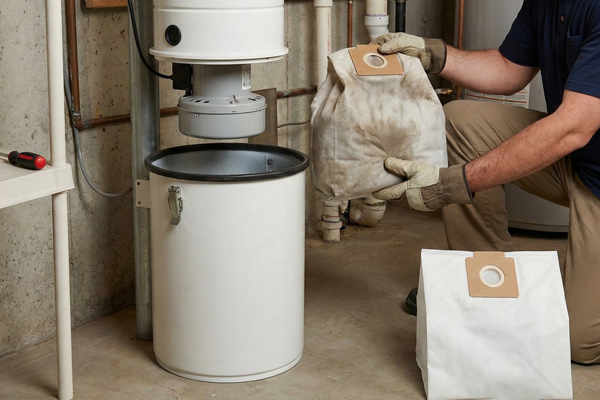
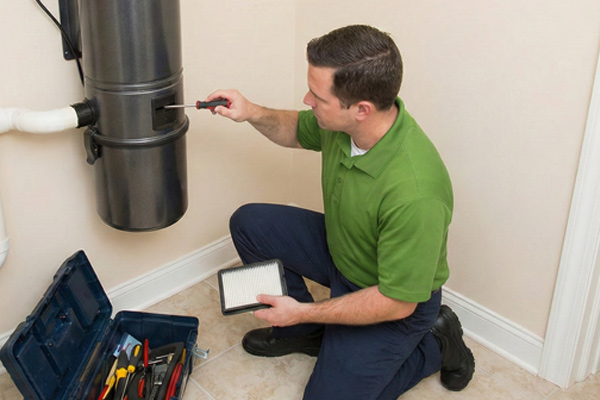
    Homeowner cleaning a central vacuum filter to improve suction and airflow

    Maintenance Tips

    • Check filters every 3–6 months.
    • Clean washable filters according to manufacturer instructions.
    • Replace disposable or HEPA filters as recommended.

    Clean filters protect the motor and help maintain consistent suction throughout your home. If you’re unsure which filter your unit uses, professional central vacuum repair and maintenance services from Gator Vacuum can help keep your system performing at its best.

    Empty the Dirt Canister Before It’s Full

    Allowing the dirt canister to overfill can restrict airflow and place unnecessary strain on the motor.

    Best Practices

    • Empty the canister when it reaches two-thirds full.
    • Inspect for compacted debris or internal blockages.
    • Ensure the canister is properly sealed after reinstalling.

    This simple habit can significantly improve vacuum performance and reduce wear on internal components, which is one of the most common causes of service calls.

    Inspect Belts and Brush Rollers

    The brush roller and belt are essential for effective carpet and rug cleaning. Worn belts or tangled rollers reduce agitation and leave dirt behind, even when suction seems strong.

    What to Check

    • Look for cracks, stretching, or looseness in the belt.
    • Remove hair, string, and debris from the brush roller.
    • Replace worn belts to maintain proper brush speed.

    If performance issues persist, professional vacuum repair services may be needed to identify the issue and prevent further damage.

    Check for Clogs and Airflow Issues

    Reduced suction is often caused by blockages in hoses, wall inlets, or internal tubing.

    Professional central vacuum repair service by Gator Vacuum

    Preventative Steps

    • Periodically inspect hoses for obstructions.
    • Ensure wall inlets open and close properly.
    • Listen for unusual noises that may indicate airflow restrictions.

    Catching small clogs early can help you avoid major central vacuum repair issues and keep your whole-home central vacuum system operating efficiently.

    Keep the Power Unit and Connections Clean

    Dust and debris can accumulate around the power unit and electrical connections, affecting performance and motor longevity.

    Helpful Tips

    • Wipe down the exterior of the power unit.
    • Check electrical connections for wear or looseness.
    • Ensure adequate ventilation around the unit.

    Routine cleaning helps protect the motor and extend the overall life of your central vacuum system.

    Schedule Professional Central Vacuum Repair When Needed

    Even with excellent homeowner maintenance, professional inspections are essential for long-term reliability.

    Contact a professional if you notice:

    • Persistent loss of suction.
    • Unusual noises or vibrations.
    • Electrical or motor-related concerns.

    For trusted local service, schedule professional central vacuum repair with Gator Vacuum, your regional central vacuum specialists.

    Small Maintenance Steps, Big Performance Gains

    Consistent central vacuum maintenance delivers stronger suction, improved air quality, fewer repairs, and a longer-lasting system. By following these tips and working with Gator Vacuum, homeowners can protect their investment and enjoy dependable whole-home cleaning for years to come.

    To learn more about central vacuum systems, service options, or expert repairs, visit Gator Vacuum, your trusted local vacuum specialists.

  • Central Vacuum Repair in Delray Beach, FL – Keep Your System Running Strong with Gator Vacuum

    Central Vacuum Repair in Delray Beach, FL – Keep Your System Running Strong with Gator Vacuum

    When it comes to central vacuum repair in Delray Beach, FL, homeowners need a trusted company that can deliver fast, professional service. For over 30 years, Gator Vacuum & Sewing has been South Florida’s go-to expert for built-in home vacuum systems, helping families keep their homes cleaner, healthier, and dust-free. Whether your central vacuum isn’t working at full power, your hose is clogged, or the motor has failed, Gator Vacuum is here to provide the right repair solution.

    In this guide, we’ll cover everything you need to know about central vacuum repair in Delray Beach, the most common signs of vacuum problems, and why homeowners trust Gator Vacuum to service their systems.

    Why Choose Central Vacuum Systems in Delray Beach?

    Central vacuums, also called built-in vacuum systems, are an increasingly popular feature in Delray Beach homes. Unlike traditional portable vacuums, these systems provide:

    Powerful suction to remove dust, dirt, and allergens.

    Convenience, with wall inlets located throughout your home.

    Cleaner indoor air quality, since debris is carried away to the main collection unit in the garage or utility room.

    Quiet operation, so you can vacuum without the noise of a standard upright vacuum.

    Long-term value, since central vacuums can last 20+ years with proper maintenance.

    But like any other appliance around your home, central vacuums can develop issues over time. That’s when you’ll need reliable central vacuum repair in Delray Beach, FL.

    Signs Your Central Vacuum Needs Repair

    If your system isn’t running like it used to, here are some of the most common signs that it’s time to call for vacuum repair service in Delray Beach:

    Loss of Suction Power – If your central vac doesn’t pick up dirt effectively, it may have clogged pipes, a dirty filter, or motor issues.

    Unusual Noises – Grinding, humming, or screeching sounds often indicate motor problems or worn-out components.

    Vacuum Won’t Turn On – Electrical issues, bad wiring, or a blown motor may be the culprit.

    Dust or Debris Leaking – If you notice dirt escaping into the house, your vacuum may need a new filter, gasket, or bag.

    Burning Smell – This could signal overheating or electrical trouble and should be addressed immediately.

    Catching these vacuum system troubleshooting signs early can prevent costly repairs later.

    Professional Central Vacuum Repair in Delray Beach

    When your central vacuum isn’t working properly, DIY fixes can only go so far. That’s why Gator Vacuum offers professional central vacuum repair services in Delray Beach to keep your system in top shape.

    Our services include:

    Clog removal from pipes, hoses, and inlets.

    Motor replacement and repair for weak or burned-out motors.

    Vacuum filter replacement to keep suction strong.

    Hose and attachment repair for broken or cracked parts.

    Electrical troubleshooting to fix wiring or switch issues.

    Full system tune-ups to extend the life of your vacuum.

    We service all major central vacuum brands, including: Nutone, Beam, VacuMaid, DrainVac, Cana-Vac, DuoVac, and more.

    Why Delray Beach Homeowners Choose Gator Vacuum

    For decades, Gator Vacuum has been trusted across Palm Beach and Broward counties. Here’s why customers in Delray Beach rely on us:

    Local Experts – Serving Delray Beach and all of South Florida for over 30 years.

    Factory-Trained Technicians – Our team is experienced in repairing all makes and models.

    On-Site or In-Store Service – We offer in-home repairs or you can bring your unit to our Coral Springs store.

    Large Inventory of Parts – We stock thousands of central vacuum parts and accessories, so repairs are done quickly.

    Customer Satisfaction Guarantee – Our priority is keeping your home clean and your vacuum running like new.

    Preventative Maintenance for Central Vacuums

    The best way to avoid breakdowns is through regular central vacuum maintenance. At Gator Vacuum, we recommend:

    Changing your vacuum filter every 6-12 months.

    Emptying the dirt canister or bag before it’s completely full.

    Checking hoses and inlets for blockages.

    Scheduling a central vac tune-up every 2-3 years.

    These small steps can keep your system running smoothly and extend its lifespan.

    Serving Delray Beach and Surrounding Areas

    Our service area extends throughout Palm Beach County and beyond. If you’re searching for:

    Central vacuum repair Delray Beach FL

    Built-in vacuum repair near me

    Central vac service Palm Beach County

    Gator Vacuum is your trusted choice. From Delray Beach to Boca Raton, Coral Springs, Boynton Beach, and Parkland, we are South Florida’s central vacuum experts.

    Final Thoughts

    If you live in Delray Beach and need central vacuum repair, trust the experts at Gator Vacuum & Sewing. With decades of experience, a large inventory of parts, and a commitment to customer care, we’ll have your system working like new in no time.

    Don’t let a weak or broken vacuum system disrupt your home. Call Gator Vacuum today to schedule your central vacuum repair in Delray Beach, FL. (561-786-0279)

  • Why South Florida Homeowners Are Upgrading to Central Vacuum Systems

    Why South Florida Homeowners Are Upgrading to Central Vacuum Systems

    Keeping your South Florida home clean and comfortable is no small task. Between the coastal humidity, sand tracked in from the beach, and everyday dust, many homeowners are looking for smarter cleaning solutions. That’s why more and more families are investing in central vacuum installation and vacuum system upgrades. Unlike portable vacuums that can be loud, bulky, and inefficient, central vacuums deliver convenience, power, and long-term value.

    If you’re searching for the best central vacuums 2025 or considering whether to install a central vac in Florida, this guide will walk you through the benefits of upgrading, how these systems outperform traditional vacuums, and why the trend is booming in places like Coral Springs, Boca Raton, and beyond.


    What Is a Central Vacuum System?

    A whole house vacuum – often called a central vacuum – differs from traditional portable vacuum cleaners. Instead of dragging around a heavy unit, you have a discreetly installed system with in-wall tubing that connects to a powerful motor and collection unit (usually located in the garage). You simply plug a lightweight hose into strategically placed wall inlets throughout your home.

    Modern systems include attachments for hardwood floors, carpets, furniture, and even garages. South Florida homeowners particularly appreciate them for their quiet home vacuum system design and ability to improve indoor air quality.


    The Rise of Central Vacuum Installation in South Florida

    So why are so many homeowners making the switch?

    1. Indoor Air Quality Matters – Central vacuums vent dust and allergens outside the living space. This is crucial in humid climates like Florida, where mold, pollen, and dust mites can impact health.
    2. Convenience for Large Homes – Many South Florida homes are spacious. A whole house vacuum eliminates the hassle of lugging around a portable unit up and down stairs.
    3. Energy Efficiency and Cost Savings – With more homeowners looking for an energy-efficient vacuum, central systems deliver stronger suction while using less energy than constantly replacing portable vacuums.
    4. Increased Home Value – Installing or upgrading a central vacuum system is considered a smart home improvement, often increasing property value.

    Why Upgrade? Central Vacuum System Benefits

    If you already have a central vacuum but it’s more than 10–15 years old, it may be time for a vacuum system upgrade. Newer models offer:

    • Quieter Operation – Today’s systems are designed as quiet home vacuum systems, making them perfect for families, remote workers, and anyone tired of noisy traditional vacuums.
    • Stronger Suction Power – Advanced technology ensures deeper cleaning, especially important in homes with tile, hardwood, and plush carpets.
    • Modern Attachments – From pet grooming brushes to bare floor tools, accessories have improved significantly.
    • Longer Lifespan – A quality central vacuum can last decades with proper maintenance.

    Best Central Vacuums 2025: How They Compare

    When shopping, homeowners often ask for a vacuum cleaner comparison. The latest models in 2025 stand out for their suction power, energy efficiency, and design. Some of the most popular options include:

    • High-Powered Units designed for homes over 7,000 sq. ft.
    • Energy-Efficient Vacuum Systems that cut down on electricity usage.
    • Compact Wall-Mounted Models ideal for townhomes or condos.

    South Florida residents are especially interested in systems that balance strong cleaning performance with quiet operation. At the Gator Vacuum showroom, you can test different models side by side, making it easy to choose the perfect system for your home.


    Why Choose Professional Central Vacuum Installation in Florida

    While some homeowners attempt DIY installs, there are many advantages to hiring experts for central vacuum installation:

    • Custom Design – Professionals know where to place wall inlets for maximum convenience.
    • Seamless Integration – Properly installed systems blend into your home without damage.
    • Warranty Protection – Professional installation ensures full manufacturer warranty coverage.
    • Ongoing Service – From routine maintenance to vacuum system upgrades, local experts provide long-term support.

    For Coral Springs and surrounding areas, Coral Springs vacuum sales and installation services at Gator Vacuum remain a trusted option. With decades of experience, their team can recommend the best system for your specific home layout and lifestyle.


    Why Gator Vacuum Is the South Florida Leader

    When it comes to vacuum cleaner comparison and installation, homeowners turn to Gator Vacuum showroom for:

    • Wide Selection – Featuring the best central vacuums 2025, including top brands and accessories.
    • Expert Guidance – Specialists who know how to match the right system to your home.
    • Hands-On Experience – Try out systems in the Coral Springs showroom before you buy.
    • Full Service – From vacuum system upgrades to maintenance and repair, they provide end-to-end solutions.

    Whether you’re in Coral Springs, Boca Raton, or Fort Lauderdale, upgrading to a central vacuum is easier than ever.


    The Future of Home Cleaning in Florida

    As more homeowners look for ways to make their homes healthier, more energy efficient, and more valuable, central vacuums are becoming the go-to choice. A quiet home vacuum system not only makes cleaning less stressful but also improves air quality – a major benefit in South Florida’s warm and humid climate.

    If you’ve been relying on outdated portable vacuums, it’s time to consider a vacuum system upgrade. Stop by the Gator Vacuum showroom to explore the best central vacuums 2025, compare systems, and learn more about professional central vacuum installation in Florida.


    Final Thoughts

    Upgrading to a whole house vacuum is more than just a home improvement – it’s a lifestyle upgrade. Imagine a cleaner home, quieter operation, healthier air, and less hassle every time you vacuum. South Florida homeowners are discovering these benefits every day, and with local experts like Coral Springs vacuum sales and installation specialists at Gator Vacuum, making the switch has never been easier.

    If you’re ready to improve your home with an energy-efficient vacuum, schedule a consultation today and experience why central vacuum systems are the future of clean living in South Florida.

  • How to Keep Your Central Vacuum System Running Like New-Year-Round Maintenance Tips

    How to Keep Your Central Vacuum System Running Like New-Year-Round Maintenance Tips

    A central vacuum system is one of the smartest investments you can make for your home. Unlike traditional vacuums, central systems are built to last, offer stronger suction power, and improve indoor air quality. But just like any appliance, they need regular care to keep them performing at their best. Neglecting central vacuum maintenance can shorten the lifespan of your system and lead to costly repairs. The good news is that with a little attention and a few smart habits, you can keep your central vacuum running like new for years to come.

    At Gator Vacuum, we know that families in South Florida rely on their systems to keep their homes dust-free and comfortable. That’s why we’ve put together these practical, year-round maintenance tips. Whether you’re wondering how to maintain vacuum systems, when to change vacuum filter parts, or how to prevent clogs, this guide will help you take better care of your central vac while knowing when to call the professionals at Gator Vacuum services for support.

    Why Central Vacuum Maintenance Matters

    Central vacuums are designed to last decades, but they aren’t maintenance-free. Just like a car needs regular oil changes and tune-ups, your central vacuum benefits from routine cleaning and inspections. Proper maintenance delivers several key benefits:

    ·         Stronger, more consistent suction power

    ·         Longer lifespan for your vacuum motor

    ·         Better air quality throughout your home

    ·         Reduced risk of breakdowns and costly repairs

    ·         More efficient cleaning with less effort

    If you want your system to stay in top shape, regular care is the key. Let’s break down the essential steps for vacuum system cleaning, upkeep, and service.

    Vacuum System Cleaning: A Year-Round Habit

    One of the simplest but most effective maintenance steps is keeping your vacuum system clean. Dust, dirt, and debris naturally build up inside the tubing, hose, and canister over time. If left unchecked, this buildup can reduce suction and even damage your motor.

    Here’s how to handle vacuum system cleaning at home:

    ·         Empty the dirt canister or replace the collection bag every few months, or more often if you vacuum heavily.

    ·         Wipe down the canister with a damp cloth to remove lingering dust.

    ·         Inspect the inlet valves for buildup and gently clean them.

    ·         For hoses, stretch them out fully and shake out any trapped particles. Practicing regular vacuum hose care keeps airflow unobstructed and prevents clogs.

    Change Vacuum Filter Regularly

    Filters play a huge role in protecting your central vacuum’s motor and maintaining clean air. Depending on the model, your system may have permanent or replaceable filters. Knowing when and how to change vacuum filter components is one of the most important parts of central vacuum maintenance.

    ·         Disposable filters should be replaced every 6-12 months.

    ·         Washable filters should be cleaned every 3-6 months and replaced when worn.

    ·         HEPA filters, if your system uses them, need replacing annually for optimal allergy control.

    Neglecting filter changes forces your vacuum to work harder, leading to unnecessary vacuum motor maintenance issues down the line.

    Vacuum Motor Maintenance and Care

    The motor is the heart of your central vacuum. With proper care, motors can last 15-20 years. But they still need attention to run smoothly.

    Here are some motor care tips:

    ·         Keep filters clean to reduce strain on the motor.

    ·         Listen for unusual sounds like grinding or high-pitched whines, which can signal problems.

    ·         Ensure the motor has proper ventilation and isn’t obstructed by stored items in the garage or utility room.

    ·         Schedule a professional central vac tune-up every 1-2 years to check brushes, bearings, and motor performance.

    By paying attention to vacuum motor maintenance, you can catch small issues early and extend the life of your entire system.

    Vacuum Clog Prevention

    Few things are more frustrating than a clogged vacuum line. Clogs reduce suction, cause extra wear on the motor, and make cleaning a chore. Fortunately, you can avoid them with a few simple habits:

    ·         Avoid vacuuming large debris like coins, paperclips, or small toys.

    ·         Use the proper attachment for floors, furniture, or crevices to reduce the chance of blockage.

    ·         Clean hoses regularly as part of your vacuum hose care routine.

    ·         If suction drops suddenly, check for obstructions right away before the motor overworks itself.

    If you experience recurring clogs, it may be a sign of deeper issues in the tubing or motor. That’s when it’s time to contact a professional for Coral Springs vacuum service.

    Seasonal Central Vac Tune-Up Checklist

    To keep your system running year-round, create a seasonal maintenance plan. Here’s a simple checklist you can follow:

    Spring: Do a full vacuum system cleaning, replace filters, and check hoses for wear.
    Summer: Inspect the motor for proper ventilation and clear any debris from garage or utility areas.
    Fall: Test suction power in each inlet to ensure no leaks or blockages.
    Winter: Schedule a professional central vac tune-up to prepare your system for another year of heavy use.

    This seasonal approach ensures you don’t overlook important tasks and helps prevent small issues from turning into major repairs.

    DIY vs Professional Maintenance

    While many central vacuum tasks can be done at home, professional service is still essential. Experts have the tools and experience to inspect electrical components, test suction strength, and identify wear that most homeowners would miss.

    At Gator Vacuum services, our team specializes in complete system care, from filter replacements and hose inspections to full vacuum motor maintenance. We’ve been serving South Florida families for decades, offering trusted Coral Springs vacuum service that keeps systems running at peak performance. By combining DIY habits with professional support, you’ll get the most value and longevity from your investment.

    Signs You Need Professional Service

    Not sure when to call in the experts? Here are some signs your central vacuum may need professional attention:

    ·         Sudden or persistent loss of suction

    ·         Burning smells or unusual noises from the motor

    ·         Frequent clogs even with proper use

    ·         Inlets that don’t seem to work properly

    ·         It’s been more than a year since your last professional service

    If you notice any of these, don’t wait – early intervention prevents bigger repairs and keeps your system reliable.

    Building Loyalty Through Care

    For families, a central vacuum is more than just a cleaning tool – it’s part of creating a healthy, comfortable home. By following these maintenance tips and scheduling regular service, you protect your investment and ensure your system serves you well for years.

    At Gator Vacuum, we’re more than just technicians – we’re your partners in keeping your home clean and comfortable. Whether you need advice on how to maintain vacuum systems, guidance on when to change vacuum filter parts, or a full central vac tune-up, we’re here to help. Our mission is to provide service that builds trust and keeps families returning to us whenever they need support.

    Final Thoughts

    Keeping your central vacuum system running like new isn’t complicated, but it does take consistency. From routine vacuum system cleaning and vacuum hose care to annual professional checkups, these small steps go a long way in protecting your investment. With the right mix of DIY care and professional expertise from Gator Vacuum services, you’ll enjoy stronger suction, better air quality, and years of reliable performance.

    If you’re ready to give your system the care it deserves, contact Gator Vacuum today for expert Coral Springs vacuum service. Our team will help you with everything from vacuum clog prevention to advanced vacuum motor maintenance, keeping your system in top shape year-round.

    Your home deserves a system that works as hard as you do – let us help you keep it that way.

  • When to DIY and When to Dial a Pro for Central Vacuum Repair

    When to DIY and When to Dial a Pro for Central Vacuum Repair

    Central vacuum systems are a great investment for homeowners, offering powerful cleaning performance and improved indoor air quality. But just like any other household appliance, central vacuum systems can develop issues over time. When something goes wrong, the big question becomes, should you tackle the repair yourself, or should you call in a professional?

    In this guide, we’ll explore the signs of central vacuum problems, common do-it-yourself fixes, situations that require professional central vacuum repair, and how to make the right decision for your home. Whether you live in Coral Springs, Parkland, or anywhere in South Florida, knowing when to DIY and when to dial a pro can save you time, money, and frustration.

    Recognizing the Signs of Central Vacuum Trouble

    Before deciding whether to fix it yourself or call a professional, you need to identify the symptoms of a problem. Some of the most common signs include:

    • Weak suction or vacuum not suctioning – This could be due to a clog, a leak in the piping, a damaged hose, or motor issues.
    • Unusual noises – Grinding, squealing, or rattling could mean something’s wrong with the motor or fan assembly.
    • System won’t turn on – Could be electrical issues, a faulty power unit, or a wiring problem at an inlet valve.
    • Bad odors – A burning smell might indicate overheating, while musty odors could mean mold inside the system.
    • Intermittent operation – The system starts and stops unexpectedly, often due to overheating or electrical faults.
    • Dust or debris escaping the unit – This could mean a problem with the filtration system or a cracked canister.

    The earlier you spot these signs, the better your chances of avoiding costly repairs. Regular central vacuum maintenance and inspection can also help prevent small issues from turning into major issues.

    When to try a DIY Fix

    There are certain problems that are safe and relatively simple for homeowners to fix themselves. If you’re comfortable using basic tools and following instructions then try these easy trouble shooting ideas.

    1. Clearing Clogs
    If your vacuum is not suctioning properly, the first step is to check for blockages in the hose or piping. Start by disconnecting the hose and looking inside for debris. You can often push the clog out using a plumber’s snake or by reversing the suction with a shop vacuum. If the blockage is in the inlet, carefully remove any obstructions with a wire hanger or similar tool.

    2. Replacing the Filter or Bag
    A dirty or full filter can dramatically reduce suction. Most central vacuum systems have either a replaceable bag or a reusable filter. Check your manufacturer’s instructions, replace or clean as needed, and make sure the filter is seated properly to avoid leaks.

    3. Checking the Hose and Attachments
    Cracks or holes in the hose can cause suction loss. You can repair small holes with duct tape or replace the hose entirely. Also, make sure the attachments are free from clogs or debris.

    4. Resetting the System
    If the unit isn’t turning on, look for a reset button on the main power unit. Sometimes, systems shut down due to overheating or power surges, and a simple reset can restore functionality.

    5. Basic Electrical Checks
    If you have some electrical know-how, you can check the power cord, plug, and breaker to make sure the problem isn’t as simple as a blown fuse or tripped breaker. Always unplug the system before inspecting electrical components.

    These fixes are relatively low-risk and don’t require specialized tools or training. However, if you’re unsure or uncomfortable with any repair, it’s always better to call in a professional.

    When to Call a Professional for Central Vacuum Repair

    While some issues can be handled by homeowners, there are situations where DIY repairs are either unsafe or unlikely to fix the problem. This is when it’s best to contact our experienced South Florida vacuum experts who specialize in central vac service and repair.

    1. Motor or Electrical Problems
    If your system’s motor is making strange noises, smells like it’s burning, or has completely stopped working, it’s time for a professional diagnosis. Motor repairs and replacements involve complex electrical work that can be dangerous without the proper skills and equipment.

    2. Persistent Suction Loss
    If you’ve checked for clogs, cleaned the filter, and inspected the hose, but the vacuum is still not suctioning, there may be a deeper issue like a leak in the piping or a failing motor. Professionals use specialized tools to locate and fix these issues quickly.

    3. Wiring or Control Board Issues
    If the vacuum doesn’t turn on from any inlet or works inconsistently, there could be a wiring fault or a problem with the control board. These repairs require knowledge of your system’s wiring and components to avoid damaging the unit.

    4. Pipe Leaks or Breaks
    Leaks inside the wall piping are almost impossible to locate without professional equipment. A central vacuum technician can perform pressure tests to pinpoint the leak and make the necessary repairs without tearing apart your home unnecessarily.

    5. Strange Noises or Vibrations
    Grinding, rattling, or screeching sounds often indicate mechanical failure. Attempting to disassemble the motor or fan assembly yourself could cause further damage or void your warranty.

    6. System Upgrades or Replacements
    If your central vacuum is more than 15–20 years old, it may be time for an upgrade. Our certified professionals can recommend models with better filtration, stronger suction, and improved efficiency.

    Benefits of Choosing Professional Central Vacuum Service

    Calling in a professional like Gator Vacuum & Sewing in Coral Springs ensures the job is done right the first time. Here are some benefits of hiring an experienced technician:

    • Expert diagnosis – Professionals can quickly identify the root cause of the problem.
    • Proper tools and parts – Technicians have access to specialized equipment and genuine replacement parts.
    • Safety – Repairing motors and electrical components can be hazardous without training.
    • Warranty protection – Many manufacturers require repairs to be done by authorized service providers.
    • Time savings – You’ll get your system back in working order faster.

    Preventing Problems with Regular Home Central Vacuum Maintenance

    The best way to avoid major repairs is to invest in regular maintenance. A yearly inspection by our Gator Vacuum experts can catch small issues before they become expensive problems. During a maintenance visit, a certified technician will:

    • Inspect and clean filters and bags
    • Check hoses and attachments for wear and damage
    • Test suction at all inlets
    • Inspect motor and electrical components
    • Check for leaks in piping
    • Lubricate moving parts if necessary

    This type of service can extend the life of your system, improve performance, and save you money in the long run.

    Choosing the Right Central Vacuum Repair Company

    If you decide to call in a professional, look for a company with experience, strong customer reviews, and a reputation for quality work. Gator Vacuum & Sewing, for example, has been serving Coral Springs, Parkland, and all of South Florida for 36 years, specializing in central vacuum repair, installation, and maintenance. We offer transparent pricing, clear explanations of the problem, and recommendations for the best repair options.

    The Bottom Line: DIY vs. Professional Repairs

    When it comes to central vacuum repair, the decision to DIY or call a pro depends on the complexity and risk of the repair. Simple fixes like clearing clogs, replacing filters, or checking hoses are safe for most homeowners. But for anything involving the motor, electrical system, or internal piping, it’s best to leave it to the experts.

    By knowing the warning signs of vacuum trouble and understanding your own skill level, you can make informed decisions about your central vacuum service needs. Whether you choose to tackle a minor fix yourself or call in the South Florida vacuum experts at Gator Vacuum & Sewing, acting quickly can keep your home cleaner, your system running efficiently, and your repair costs down.

    Central vacuum systems are a great investment for homeowners, offering powerful cleaning performance and improved indoor air quality. But just like any other household appliance, central vacuum systems can develop issues over time. When something goes wrong, the big question becomes, should you tackle the repair yourself, or should you call in a professional?

    In this guide, we’ll explore the signs of central vacuum problems, common do-it-yourself fixes, situations that require professional central vacuum repair, and how to make the right decision for your home. Whether you live in Coral Springs, Parkland, or anywhere in South Florida, knowing when to DIY and when to dial a pro can save you time, money, and frustration.

    Recognizing the Signs of Central Vacuum Trouble

    Before deciding whether to fix it yourself or call a professional, you need to identify the symptoms of a problem. Some of the most common signs include:

    • Weak suction or vacuum not suctioning – This could be due to a clog, a leak in the piping, a damaged hose, or motor issues.
    • Unusual noises – Grinding, squealing, or rattling could mean something’s wrong with the motor or fan assembly.
    • System won’t turn on – Could be electrical issues, a faulty power unit, or a wiring problem at an inlet valve.
    • Bad odors – A burning smell might indicate overheating, while musty odors could mean mold inside the system.
    • Intermittent operation – The system starts and stops unexpectedly, often due to overheating or electrical faults.
    • Dust or debris escaping the unit – This could mean a problem with the filtration system or a cracked canister.

    The earlier you spot these signs, the better your chances of avoiding costly repairs. Regular central vacuum maintenance and inspection can also help prevent small issues from turning into major issues.

    When to try a DIY Fix

    There are certain problems that are safe and relatively simple for homeowners to fix themselves. If you’re comfortable using basic tools and following instructions then try these easy trouble shooting ideas.

    1. Clearing Clogs
    If your vacuum is not suctioning properly, the first step is to check for blockages in the hose or piping. Start by disconnecting the hose and looking inside for debris. You can often push the clog out using a plumber’s snake or by reversing the suction with a shop vacuum. If the blockage is in the inlet, carefully remove any obstructions with a wire hanger or similar tool.

    2. Replacing the Filter or Bag
    A dirty or full filter can dramatically reduce suction. Most central vacuum systems have either a replaceable bag or a reusable filter. Check your manufacturer’s instructions, replace or clean as needed, and make sure the filter is seated properly to avoid leaks.

    3. Checking the Hose and Attachments
    Cracks or holes in the hose can cause suction loss. You can repair small holes with duct tape or replace the hose entirely. Also, make sure the attachments are free from clogs or debris.

    4. Resetting the System
    If the unit isn’t turning on, look for a reset button on the main power unit. Sometimes, systems shut down due to overheating or power surges, and a simple reset can restore functionality.

    5. Basic Electrical Checks
    If you have some electrical know-how, you can check the power cord, plug, and breaker to make sure the problem isn’t as simple as a blown fuse or tripped breaker. Always unplug the system before inspecting electrical components.

    These fixes are relatively low-risk and don’t require specialized tools or training. However, if you’re unsure or uncomfortable with any repair, it’s always better to call in a professional.

    When to Call a Professional for Central Vacuum Repair

    While some issues can be handled by homeowners, there are situations where DIY repairs are either unsafe or unlikely to fix the problem. This is when it’s best to contact our experienced South Florida vacuum experts who specialize in central vac service and repair.

    1. Motor or Electrical Problems
    If your system’s motor is making strange noises, smells like it’s burning, or has completely stopped working, it’s time for a professional diagnosis. Motor repairs and replacements involve complex electrical work that can be dangerous without the proper skills and equipment.

    2. Persistent Suction Loss
    If you’ve checked for clogs, cleaned the filter, and inspected the hose, but the vacuum is still not suctioning, there may be a deeper issue like a leak in the piping or a failing motor. Professionals use specialized tools to locate and fix these issues quickly.

    3. Wiring or Control Board Issues
    If the vacuum doesn’t turn on from any inlet or works inconsistently, there could be a wiring fault or a problem with the control board. These repairs require knowledge of your system’s wiring and components to avoid damaging the unit.

    4. Pipe Leaks or Breaks
    Leaks inside the wall piping are almost impossible to locate without professional equipment. A central vacuum technician can perform pressure tests to pinpoint the leak and make the necessary repairs without tearing apart your home unnecessarily.

    5. Strange Noises or Vibrations
    Grinding, rattling, or screeching sounds often indicate mechanical failure. Attempting to disassemble the motor or fan assembly yourself could cause further damage or void your warranty.

    6. System Upgrades or Replacements
    If your central vacuum is more than 15–20 years old, it may be time for an upgrade. Our certified professionals can recommend models with better filtration, stronger suction, and improved efficiency.

    Benefits of Choosing Professional Central Vacuum Service

    Calling in a professional like Gator Vacuum & Sewing in Coral Springs ensures the job is done right the first time. Here are some benefits of hiring an experienced technician:

    • Expert diagnosis – Professionals can quickly identify the root cause of the problem.
    • Proper tools and parts – Technicians have access to specialized equipment and genuine replacement parts.
    • Safety – Repairing motors and electrical components can be hazardous without training.
    • Warranty protection – Many manufacturers require repairs to be done by authorized service providers.
    • Time savings – You’ll get your system back in working order faster.

    Preventing Problems with Regular Home Central Vacuum Maintenance

    The best way to avoid major repairs is to invest in regular maintenance. A yearly inspection by our Gator Vacuum experts can catch small issues before they become expensive problems. During a maintenance visit, a certified technician will:

    • Inspect and clean filters and bags
    • Check hoses and attachments for wear and damage
    • Test suction at all inlets
    • Inspect motor and electrical components
    • Check for leaks in piping
    • Lubricate moving parts if necessary

    This type of service can extend the life of your system, improve performance, and save you money in the long run.

    Choosing the Right Central Vacuum Repair Company

    If you decide to call in a professional, look for a company with experience, strong customer reviews, and a reputation for quality work. Gator Vacuum & Sewing, for example, has been serving Coral Springs, Parkland, and all of South Florida for 36 years, specializing in central vacuum repair, installation, and maintenance. We offer transparent pricing, clear explanations of the problem, and recommendations for the best repair options.

    The Bottom Line: DIY vs. Professional Repairs

    When it comes to central vacuum repair, the decision to DIY or call a pro depends on the complexity and risk of the repair. Simple fixes like clearing clogs, replacing filters, or checking hoses are safe for most homeowners. But for anything involving the motor, electrical system, or internal piping, it’s best to leave it to the experts.

    By knowing the warning signs of vacuum trouble and understanding your own skill level, you can make informed decisions about your central vacuum service needs. Whether you choose to tackle a minor fix yourself or call in the South Florida vacuum experts at Gator Vacuum & Sewing, acting quickly can keep your home cleaner, your system running efficiently, and your repair costs down.

    Central Vacuum Repair Across Broward County

    Gator Vacuum serves all of Broward County: Southwest Ranches · Plantation · Pembroke Pines · Oakland Park · North Lauderdale · Margate · Lauderhill · Lauderdale Beach · Hillsboro Beach · Hallandale Beach

    Call today for fast, reliable service!

  • Top Signs Your Central Vacuum System Needs Repair (Before It’s Too Late)

    Top Signs Your Central Vacuum System Needs Repair (Before It’s Too Late)

    Why Paying Attention to Your Central Vacuum System Matters

    Your central vacuum system is one of those home features that you probably don’t think about servicing until it stops working the way it should. For many homeowners in South Florida, a central vacuum makes life easier, keeps floors cleaner, and improves indoor air quality. But like any home appliance, even the most reliable system will eventually need some attention. Knowing the early warning signs of a central vacuum failure can save you from expensive repairs. At Gator Vacuum & Sewing, we’ve been helping local homeowners with central vacuum repair and home vacuum maintenance for decades, serving areas like Coral Springs, Parkland, and all across South Florida. If you know what to look for, you can catch small problems before they turn into big ones.

    Signs of Central Vacuum Trouble

    One of the most common indicators that it’s time to call for central vacuum repair is a noticeable loss of suction. If your vacuum is not suctioning like it used to, you might be dealing with anything from a clogged hose to a motor issue. Sometimes the problem is as simple as a blockage in the piping, but other times it’s a sign that the motor is wearing out. Vacuum system troubleshooting is the first step to figuring out the cause. Our friendly team of South Florida central vacuum experts can quickly test the system, find the blockage or mechanical issue, and get your central vac service taken care of before the entire unit shuts down.

    Another sign that you might need vacuum repair in Coral Springs or the surrounding area is strange noises. Your central vacuum system should run smoothly and relatively quietly. If you start hearing grinding, squealing, or rattling sounds, that’s often a clue that something inside the motor or fan assembly is loose or wearing down. Ignoring these noises can lead to complete motor failure, which is much more expensive to fix. Early intervention with professional vacuum system troubleshooting can prevent that outcome.

    Odors, Inlet Issues, and Other Signs Your Central Vacuum Needs Attention

    Unpleasant odors coming from your vacuum system can also indicate trouble. A burning smell could mean that the motor is overheating, while musty odors might be the result of mold or mildew buildup inside the piping. These are not issues you want to ignore because they can affect both the performance of your vacuum and the air quality in your home. Gator Vacuum repair technicians can handle these problems quickly, restoring your system’s fresh, clean performance.

    If you notice that your vacuum accessories or inlets are not working properly, that’s another red flag. For example, you might plug the hose into one inlet and it works fine, but another inlet doesn’t turn on or has very little suction. This can be caused by wiring problems, a partial clog, or leaks in the tubing. Our Parkland central vacuum specialists have the tools and expertise to locate these problems and restore your system to full function.

    System Shutoffs, Inconsistent Performance, and Leaks in Your Central Vacuum

    Another common sign of central vacuum failure is when your unit turns on but shuts off unexpectedly. This could be due to overheating, electrical faults, or failing components. If you have to constantly restart your system or it only runs for a few minutes at a time, it’s a good idea to call Gator Vacuum for an appointment as soon as possible. This type of problem often gets worse quickly and can lead to complete system shutdown.

    Older systems may also start showing their age through inconsistent performance. One day your vacuum works fine, the next day it’s weak or noisy. These ups and downs can be caused by loose wiring, worn motor brushes, or failing seals in the unit. Even if your system is still working, these are warning signs that a bigger repair might be coming soon. At Gator Vacuum & Sewing, our home vacuum maintenance services are designed to catch these problems early so you don’t end up with a sudden and inconvenient failure.

    It’s also worth keeping an eye out for leaks in the piping. If you hear air escaping or you notice dust collecting near the tubing, which means your vacuum is losing suction before it reaches the powerhead. This not only makes cleaning less effective but can put extra strain on the motor. Our South Florida vacuum experts can test your system, find the leak, and seal it up so your central vacuum performs like new again.

    Filter Problems and Electrical Issues in Central Vacuum Systems

    Another often-overlooked sign of trouble is the condition of your dust canister or filter. If you find that your filter clogs much faster than usual or there’s excessive dust inside the unit, it could be a sign that the filtration system is failing or there’s a problem with the air flow. This is where regular home vacuum maintenance pays off. At Gator Vacuum repair, we don’t just fix issues we help maintain your system so it lasts for years longer.

    Some homeowners also experience electrical issues with their central vacuum systems. If the unit doesn’t turn on when you plug in the hose, or if the hose handle switch doesn’t seem to control the system reliably, there may be a problem with the wiring or the control board. These are not do-it-yourself fixes. Attempting to repair electrical components without the right experience can be dangerous. Our vacuum repair Coral Springs experts have the training and tools to repair electrical faults safely and effectively.

    Protect Your Central Vacuum System with Expert Service

    At Gator Vacuum & Sewing, our certified technicians can quickly find the issue and get it fixed fast so you can get back to cleaning. Our experts can handle full system rebuilds to routine home vacuum maintenance. Our customers in Coral Springs, Parkland, and throughout South Florida trust us because we’re not just another repair shop-we’re central vacuum specialists who understand these systems inside and out.

    If you notice weak suction, strange noises, bad smells, clogged filters, unresponsive inlets, or any other unusual behavior, don’t wait. The sooner you schedule central vacuum repair, the more likely it is that you’ll avoid expensive replacement parts and keep your system running at peak performance. Our vacuum system troubleshooting process allows us to quickly diagnose the exact cause of your issue and recommend the right solution.

    Central vacuum systems are an investment in your home’s cleanliness and value. Protecting that investment means staying alert to changes in performance and acting fast when something seems off. Whether you live in Coral Springs, Parkland, or anywhere else in South Florida, Gator Vacuum & Sewing is your go-to choice for certified expert repairs, maintenance, and service. We’ve built our reputation on fast response times, honest assessments, and quality workmanship.

    Schedule Central Vacuum Repair and Maintenance in South Florida

    Bottom line, the best way to avoid a total system failure is to schedule regular maintenance and to address problems at the first sign of trouble. If your vacuum is not suctioning, shutting down unexpectedly, making odd noises, or producing strange smells, it’s time to get help. Our South Florida vacuum experts can provide a complete inspection, pinpoint the problem, and restore your system’s performance. Don’t wait until your central vacuum completely stops working-by then, repairs are often more expensive and more complicated.

    Call Gator Vacuum & Sewing today to schedule your central vac service and keep your home cleaning system in top shape. Whether you need routine home vacuum maintenance or urgent vacuum repair in Coral Springs, our team is here to help. We proudly serve homeowners across the area, offering fast, friendly, and reliable service for all makes and models. From minor fixes to major overhauls, we’ve got the tools, experience, and dedication to keep your central vacuum running strong for years to come.

    Central Vacuum Repair Across Broward County

    Gator Vacuum serves all of Broward County: Southwest Ranches · Plantation · Pembroke Pines · Oakland Park · North Lauderdale · Margate · Lauderhill · Lauderdale Beach · Hillsboro Beach · Hallandale Beach

    Call today for fast, reliable service!

  • 7 Central Vacuum Problems That Could Be Costing You Time and Money

    7 Central Vacuum Problems That Could Be Costing You Time and Money

    If you notice your central vacuum is not running as efficiently as it once did, you are alone. Many homeowners will experience issues like your central vacuum isn’t performing like it used to, you’re not alone. From weak suction to mysterious shutdowns, many homeowners deal with frustrating central vacuum problems that impact efficiency and comfort. Below are seven of the most common central vacuum issues, how they can cost you time or money, and when it’s time to call in a central vacuum repair professional.

    1. Weak Suction or Loss of Power

    If your system isn’t picking up dirt like it should, you’re likely facing central vacuum suction problems. This could be due to a clogged hose, a leaky pipe, or a worn motor. A system running inefficiently will force you to vacuum longer and more often costing you time and reducing your system’s lifespan.

    Tip: If suction is uneven across inlets, you may need a professional to inspect leaks or blockages in your central vacuum tubing.

    2. Clogged or Leaky Hose/Tube System

    Over time, dirt and debris can build up inside the tubing, causing clogs that restrict airflow. In some cases, leaks in the PVC pipes can cause suction loss, increase your energy use and lower performance in the system.

    Note: If basic unclogging methods don’t solve the problem, it may be time to call in the experts. Our professional team can quickly identify the issue and get your system running efficiently again.

    3. Motor Making Noises

    Grinding, squealing, or loud humming noises often point to a failing motor or worn bearings. Using a central vacuum while the motor isn’t working properly can lead to several problems, including:

    • Further damage to the motor, potentially causing complete failure

    • Overheating, which can create safety hazards or trip circuit breakers

    • Reduced suction power, making cleaning ineffective and time-consuming

    • Increased energy consumption due to the motor struggling to operate

    • Damage to other components like belts, brushes, or filters from improper operation

    Don’t wait. It’s best to address motor issues promptly to avoid costly repairs or replacements.

    4. Dust Leaking from the Unit

    If you notice dust accumulating around your central vacuum unit, it may mean the filter is clogged, torn, or the unit is improperly sealed. This leads to poor air quality and reduced suction power.

    DIY vs Professional Repair: While replacing filters may help, dust leaks often require inspection of internal seals or the motor chamber.

    5. Faulty Wall Inlet Connections

    When one or more wall inlets stop working, it could be due to a faulty low-voltage wire, a worn inlet valve, or loose internal connections. These issues can lead to intermittent power loss or system shutdowns.

    Tip: Always check your inlet cover and wiring first. If multiple outlets fail, call our central vacuum troubleshooting experts today.

    6. System Won’t Turn On or Off Properly

    If your central vacuum won’t start or stop it may be an electrical issue, relay failure, or even a short circuit in your wiring. These problems are not only annoying but can pose a fire risk if left unresolved.

    Pro Tip: For safety, avoid DIY repairs on electrical components. Our certified technicians can handle central vacuum system repairs safely and efficiently.

    7. Full or Improperly Installed Vacuum Bag/Canister

    Sometimes the problem is simple: the vacuum bag is full or not properly installed. A full bag can cause overheating or trigger a system shutoff. If the bag isn’t seated correctly, dirt can bypass the filter and damage your motor.

    Make it a habit to check and replace your vacuum bags or canister regularly. For help finding the right bags, call our central vacuum experts.