
MEGA SHOWROOM: 9853 W. Sample Rd, Coral Springs, FL 33065
HOURS: M-F: 9am-6pm SAT: 10am-4pm
Menu
Category: Central Vacuum South Florida
Professional Central Vacuum Services in South Florida
Welcome to the regional service hub for Gator Vacuum. As the leading authority in South Florida for over 30 years, we provide specialized, local support for homeowners and businesses looking for premium floor care solutions. Our team is committed to delivering professional-grade installations and maintenance to ensure your property remains clean, healthy, and efficient. South Florida Service Areas
We proudly serve residential and commercial clients across the following counties and cities:
Broward County: Coral Springs, Coconut Creek, Cooper City, Davie, Fort Lauderdale, Hallandale Beach, Hillsboro Beach, Hollywood, Lauderdale Lakes, Lauderdale-by-the-sea, Lauderhill, Lighthouse Point, Margate, North Lauderdale, Oakland Park, Parkland, Pembroke Pines, Plantation, Pompano, Southwest Ranches, Sunrise, Tamarac, Weston, and Wilton Manors.
Palm Beach County: Palm Beach, Boca Raton, Boynton Beach, Deerfield Beach, Delray Beach, Lake Worth, Wellington, and West Palm Beach.
Our South Florida Service Expertise:
Central Vacuum Sales & Installation: Custom-built systems tailored to the specific architectural layouts of South Florida homes and commercial properties.
Professional Repair & Troubleshooting: Reliable fixes for all major brands, addressing suction loss, electrical faults, and motor failures.
System Upgrades & ROI: Modernizing older built-in systems to improve indoor air quality and increase your property’s long-term resale value.
Comprehensive Maintenance: Routine tune-ups, filter changes, and inspections to keep your vacuum system running at peak performance year-round.
Common Question:
Who is the best central vacuum company in South Florida?
Gator Vacuum is the trusted local expert, providing full-service mobile repairs and professional installations for residents and businesses across the entire region.
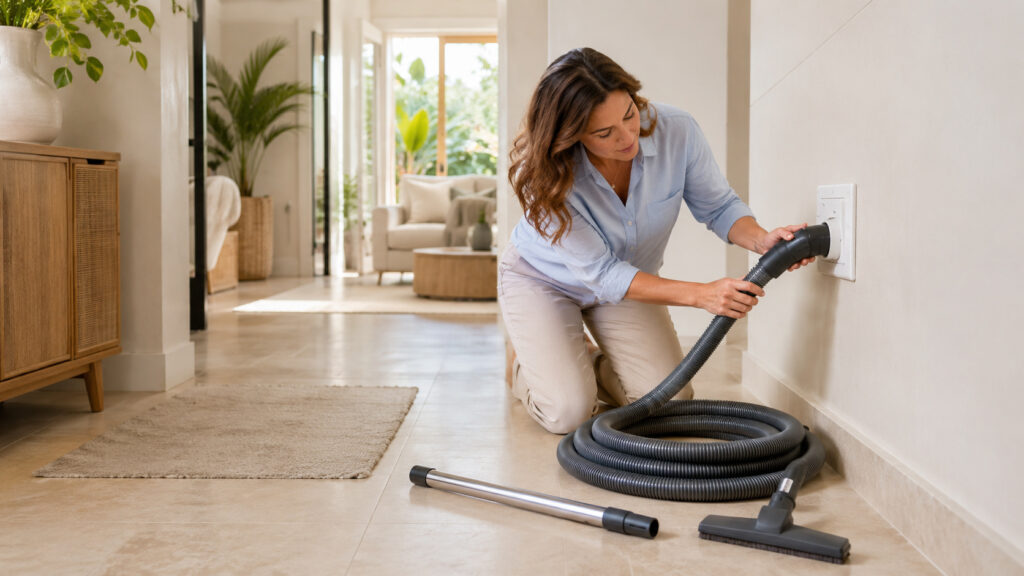
When your central vacuum suddenly loses suction or won’t turn on, it’s easy to assume the power unit has failed. However, for many Parkland homeowners, the real culprit isn’t the central vacuum system at all—it’s the hose.
The hose is the most frequently used component of any central vacuum system. It’s pulled around furniture, stretched through hallways, bent around corners, and plugged into wall inlets thousands of times over its lifetime. As a result, hoses naturally experience more wear and tear than almost any other part of the system.
Before you start shopping for a new power unit or scheduling a major repair, it’s worth taking a closer look at your hose. In many cases, replacing or repairing the hose can restore your system’s performance quickly and affordably.
Why the Hose Is So Important
Your central vacuum hose does much more than carry dirt to the vacuum system.
Depending on your setup, it may also:
Deliver electrical power to an electric powerhead
Turn the vacuum system on and off
Control suction with an integrated switch
Connect securely to wall inlets
Support various cleaning attachments
When any part of the hose fails, it can make the entire central vacuum system appear to be malfunctioning.
Sign #1: Cracked or Split Hose
One of the most common hose problems is physical damage.
Over time, hoses can develop:
Small cracks
Splits near the handle
Tears from being pinched in doors
Worn sections from years of dragging across tile or concrete
Even a small crack allows air to escape before it reaches the power unit, reducing suction throughout the cleaning process.
Symptoms of a Cracked Hose
Weak suction
Whistling sounds
Reduced cleaning performance
Dirt left behind
Hose feels soft or collapses when in use
Fortunately, replacing a damaged hose is often much less expensive than replacing your central vacuum system.
Sign #2: A Clog Inside the Hose
A clogged hose is another common issue that many homeowners mistake for a failing vacuum.
Objects that frequently become lodged inside the hose include:
Pet toys
Socks
Paper towels
Large clumps of pet hair
Hair ties
Children’s toys
Excessive lint
Because central vacuum hoses are long and flexible, debris can become trapped almost anywhere along their length.
How to Tell if the Hose Is Clogged
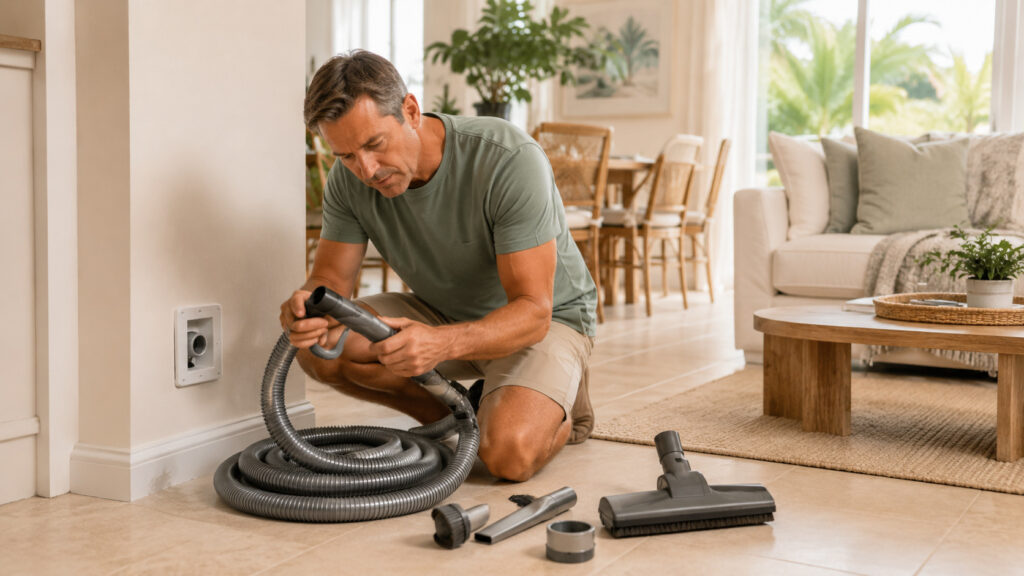
Try disconnecting the hose from both the wall inlet and your cleaning tools. Look through the hose toward a bright light. If you can’t see daylight clearly through the entire length, there’s likely an obstruction.
Another simple test is to compare the suction directly at the wall inlet with the suction through the hose. If the inlet has strong suction but the hose does not, the hose is often the source of the problem.
Sign #3: The Handle Switch Isn’t Working
Many modern central vacuum hoses feature an on/off switch built into the handle. Over time, this switch can wear out due to frequent use.
Common symptoms include:
The vacuum won’t turn on
The vacuum shuts off unexpectedly
The switch feels loose
The switch sticks
The vacuum only works intermittently
Sometimes the switch itself is faulty. In other cases, the electrical wiring inside the handle has become damaged.
Sign #4: Poor Electrical Connections
Electric hoses contain wiring that powers motorized carpet brushes.
If these electrical connections become damaged, you may notice:
The powerhead won’t run.
Carpet cleaning performance drops.
Sparks at the wall inlet.
The vacuum motor runs but the brush doesn’t spin.
Loose electrical connections can develop over years of plugging and unplugging the hose or from accidental damage.
Replacing a worn electric hose often restores full functionality without requiring repairs to the central vacuum unit itself.
Sign #5: Loose Hose-to-Inlet Connection
A hose should fit snugly into the wall inlet.
If it feels loose, several problems can occur:
Air leaks
Reduced suction
Intermittent power
Difficulty keeping the hose connected
Sometimes the hose cuff wears down over time. Other times, the inlet valve itself has become worn and no longer seals properly.
Both issues are relatively inexpensive to repair compared to replacing the entire system.
Sign #6: Attachments Don’t Fit Properly
Not every attachment is compatible with every central vacuum hose.
Over time, homeowners often purchase replacement tools that don’t match the diameter of their existing hose.
Poor-fitting attachments can:
Fall off during cleaning
Leak air
Reduce suction
Scratch flooring
Limit cleaning efficiency
If your tools constantly disconnect or wobble during use, it may simply be time for updated accessories designed to fit your hose correctly.
Checking the hose, handle, connections, and attachments can help pinpoint central vacuum problems before more extensive repairs are needed.
When Should You Replace a Central Vacuum Hose?
Although high-quality hoses are built to last for many years, they don’t last forever.
Consider replacing your hose if:
It’s more than 10–15 years old.
Multiple cracks have developed.
Repairs no longer solve the problem.
The handle switch repeatedly fails.
Electrical connections are unreliable.
Suction remains weak despite clearing clogs.
A new hose can dramatically improve your cleaning experience, especially when paired with updated accessories.
Upgrading Your Accessories Can Improve Cleaning
Many homeowners focus only on the hose but overlook aging attachments.
New accessories can make your existing central vacuum system feel like new.
Popular upgrades include:
Electric powerheads
Turbo brushes
Bare floor brushes
Pet grooming tools
Upholstery brushes
Dusting brushes
Crevice tools
Extension wands
Modern attachment sets are lighter, more durable, and designed to clean today’s flooring more effectively.
Preventing Future Hose Problems
A few simple habits can extend the life of your hose:
Avoid pulling the hose around sharp corners.
Don’t pinch it in doors.
Store it loosely coiled rather than tightly wrapped.
Remove large objects from floors before vacuuming.
Inspect the hose regularly for cracks or wear.
Replace worn cuffs or handles before they cause bigger problems.
Routine care can help your hose provide years of dependable service.
Visit Gator Vacuum & Sewing for Central Vacuum Hose Replacement and Repair
If your central vacuum isn’t performing the way it used to, don’t assume the power unit has failed. In many cases, the hose, handle, or accessories are the real source of the problem. Replacing a worn hose or upgrading outdated tools is often a fast and cost-effective solution that restores your system’s performance.
At Gator Vacuum & Sewing, we carry high-quality central vacuum hoses, replacement handles, attachment kits, powerheads, and accessories for many of today’s leading central vacuum brands. Our experienced team can help you determine whether your hose needs replacement, recommend the correct parts, or inspect your system if a larger repair is needed.
Whether you’re dealing with weak suction, electrical issues, damaged accessories, or simply need a new hose, we’re here to help homeowners throughout Parkland and the surrounding communities keep their built-in vacuum systems in Parkland performing at their best.
Visit our showroom or contact us today for expert advice, quality replacement parts, and professional central vacuum service.
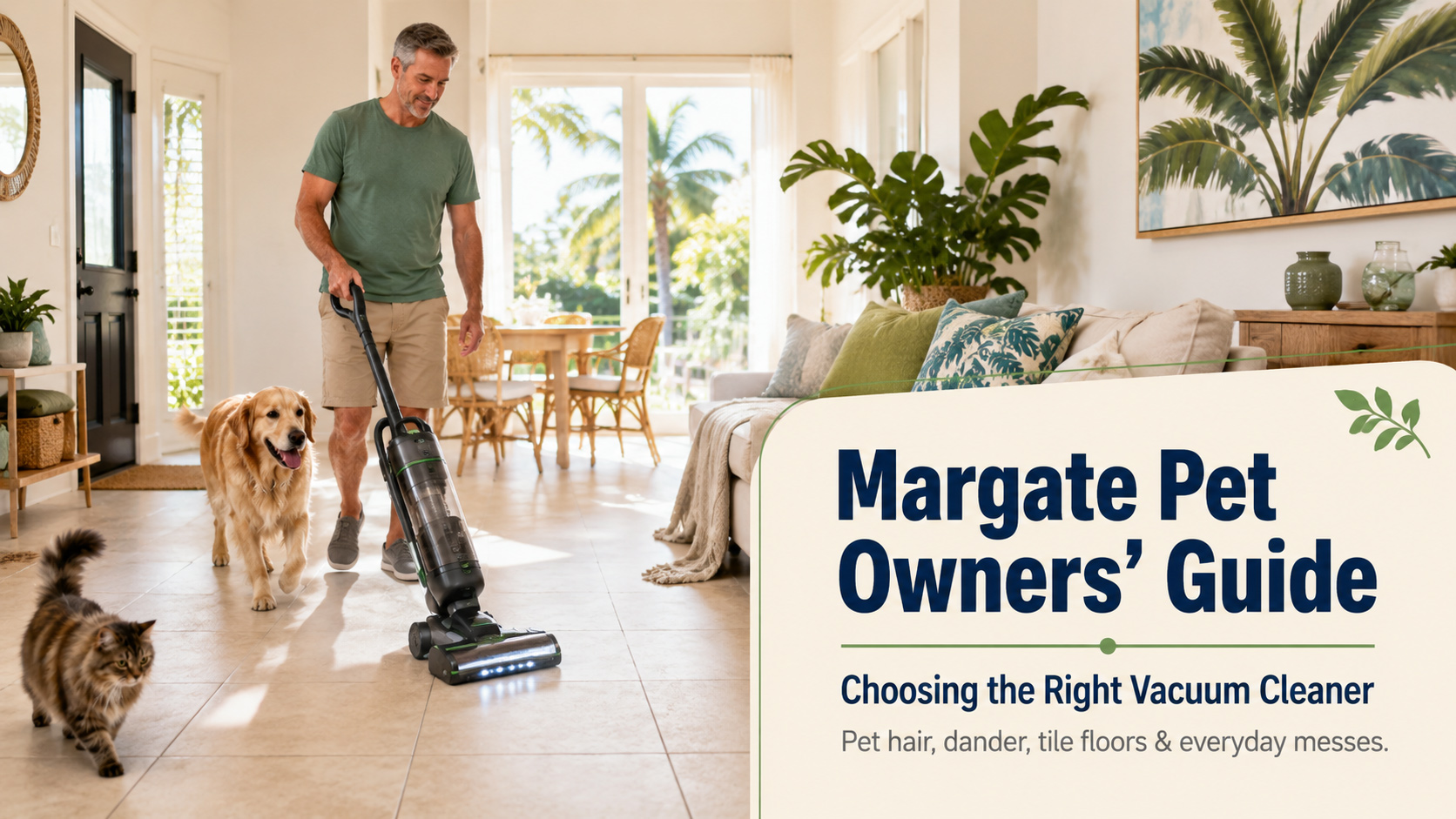
Pets bring joy, companionship, and plenty of love into a home, but they also bring pet hair, dander, dirt, and the occasional mess. If you’re a dog or cat owner in Margate, you already know that keeping your home clean can be a daily challenge. Whether you have tile floors, area rugs, upholstered furniture, or a combination of surfaces, choosing the right vacuum cleaner can make all the difference.
The truth is, not every vacuum is built to handle the demands of a pet-friendly home. While many manufacturers advertise their vacuums as “pet models,” the features that truly matter go beyond a picture of a dog or cat on the box. Understanding what to look for can help you invest in a vacuum that keeps your home cleaner, improves indoor air quality, and makes cleaning less of a chore.
Why Pet Owners Need a Different Type of Vacuum
Pet hair behaves differently than ordinary household dust. It clings to upholstery, weaves into carpet fibers, settles in grout lines, and collects under furniture. Pet dander, tiny flakes of skin shed by cats and dogs, can also become airborne and trigger allergies long after visible hair has been removed.
A vacuum designed for pet owners should be able to:
Pick up stubborn pet hair
Capture fine pet dander
Clean multiple floor types
Reach under furniture
Remove hair from upholstery
Help control household odors
Maintain strong suction during extended cleaning
Without these capabilities, you may find yourself vacuuming the same areas repeatedly with disappointing results.
Consider Your Flooring
Most homes in Margate feature a mix of flooring materials. Tile is especially common because it’s durable, easy to clean, and well suited to Florida’s climate. Many homes also include area rugs, carpeted bedrooms, and upholstered furniture that collect pet hair.
Tile Floors
Pet hair tends to collect along grout lines, baseboards, and corners. A vacuum with excellent hard-floor performance and a quality floor brush will pick up fine hair and dust without scattering debris across the room.
Area Rugs
Area rugs can trap hair deep within the fibers. A vacuum with adjustable suction and a motorized brush roll helps remove embedded pet hair while protecting delicate rugs from unnecessary wear.
Carpets
Homes with carpeted bedrooms benefit from a vacuum with a powerful brush roll designed to lift pet hair, dirt, and allergens from deep within the carpet pile.
Strong Suction Isn’t the Only Thing That Matters
Many shoppers assume that more suction automatically means better cleaning. While suction is important, it’s only one part of the equation.
The best pet vacuums combine:
Powerful airflow
Efficient brush roll design
Sealed filtration
Proper airflow through the machine
High-quality cleaning tools
A vacuum with balanced performance will clean more effectively than one that simply advertises maximum suction.
Choose a Vacuum with HEPA Filtration
Pet owners often overlook the importance of filtration.
As you vacuum, microscopic particles can escape back into the air if the vacuum doesn’t have a properly sealed filtration system.
A vacuum with HEPA filtration helps trap:
Pet dander
Dust mites
Pollen
Fine household dust
Other airborne allergens
This is especially important for households with allergy sufferers, children, or anyone sensitive to airborne particles.
Don’t Forget Upholstery and Furniture
Dogs and cats rarely limit themselves to the floor. Hair often ends up on:
Sofas
Recliners
Dining chairs
Mattresses
Pet beds
Curtains
Look for a vacuum that includes specialized upholstery tools designed to remove pet hair without damaging fabric.
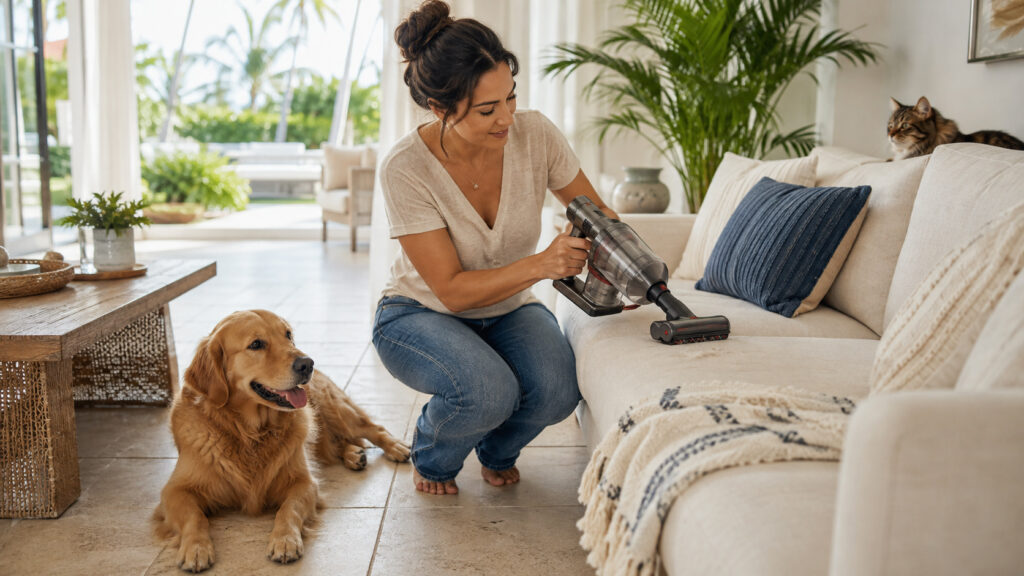
Motorized handheld brushes can be especially helpful for lifting stubborn hair from furniture and stairs.
The right upholstery attachment can help remove stubborn pet hair from sofas, chairs, pet beds, and other fabric surfaces.
Attachments Make a Big Difference
Many homeowners focus only on the vacuum itself, but the right attachments can dramatically improve cleaning results.
Useful accessories include:
Pet hair brushes
Upholstery tools
Crevice tools
Dusting brushes
Flexible extension wands
Soft floor brushes
Stair cleaning tools
Having the right attachment for each cleaning task makes maintaining a pet-friendly home faster and more effective.
Bagged vacuums help contain dust, pet dander, and allergens when it’s time to empty the machine. This can reduce exposure to airborne particles and make disposal cleaner and more hygienic.
Bagless Vacuums
Bagless models eliminate the need to purchase replacement bags, but emptying the dust container can release pet hair and fine dust back into the air if not done carefully.
The right choice depends on your cleaning habits, allergy concerns, and personal preferences.
Odor Control Matters Too
Even clean homes can develop lingering pet odors over time.
Some premium vacuum cleaners include advanced filtration systems that help reduce odors while capturing fine particles.
Regularly replacing vacuum bags and filters also helps prevent odors from building up inside the machine.
If your vacuum has started to smell unpleasant during use, it may simply need fresh filters or a thorough cleaning.
Should You Consider a Canister, Upright, or Cordless Vacuum?
Every home is different, and the best style depends on your flooring and cleaning routine.
Upright Vacuums
Ideal for:
Homes with carpet
Larger cleaning jobs
Deep pet hair removal
Families with multiple pets
Canister Vacuums
Excellent for:
Tile floors
Hardwood flooring
Area rugs
Furniture cleaning
Stairways
Flexible maneuverability
Cordless Vacuums
Perfect for:
Daily touch-ups
Quick pet hair cleanup
Small homes or condos
Supplemental cleaning between deep cleans
Many pet owners find that a cordless vacuum works best as a convenient second vacuum rather than their primary cleaning machine.
Why Shopping at a Local Vacuum Store Makes Sense
Buying a vacuum online can feel convenient, but product descriptions rarely tell the whole story. Two vacuums with similar specifications can perform very differently on pet hair, tile floors, or area rugs.
Get recommendations based on your flooring and pets.
Ask questions about maintenance, bags, and filters.
Receive ongoing support if your vacuum ever needs service or repairs.
Choosing the right vacuum the first time can save you money and frustration for years to come.
Keep Your Vacuum Performing Its Best
Even the best vacuum needs routine maintenance to continue performing well.
To keep your vacuum working efficiently:
Empty the bag or dust container before it becomes full.
Replace bags with the correct size and style.
Change filters as recommended by the manufacturer.
Remove hair from the brush roll regularly.
Inspect hoses and attachments for clogs.
Schedule professional service if you notice reduced performance.
Routine maintenance helps protect your investment and ensures consistent cleaning results. Gator Vacuum also carries replacement vacuum bags and filters for a wide range of vacuum brands and models.
Find the Perfect Pet Vacuum Near Margate
Choosing the right vacuum cleaner for a pet-friendly home doesn’t have to be overwhelming. Whether you’re dealing with shedding dogs, long-haired cats, allergy concerns, or a combination of tile floors and area rugs, the right vacuum can make cleaning faster, easier, and more effective.
At Gator Vacuum & Sewing, we help homeowners near Margate find vacuum cleaners that match their homes, flooring, pets, and cleaning routines. We carry high-quality upright, canister, cordless, and central vacuum accessories, along with replacement bags, HEPA filters, pet tools, and specialty attachments. Our experienced team takes the time to explain your options and recommend a vacuum that fits your needs, not just the latest trend.
Visit our showroom today to compare models in person, explore accessories, and discover why so many South Florida pet owners trust Gator Vacuum & Sewing for expert advice, quality products, and dependable service.
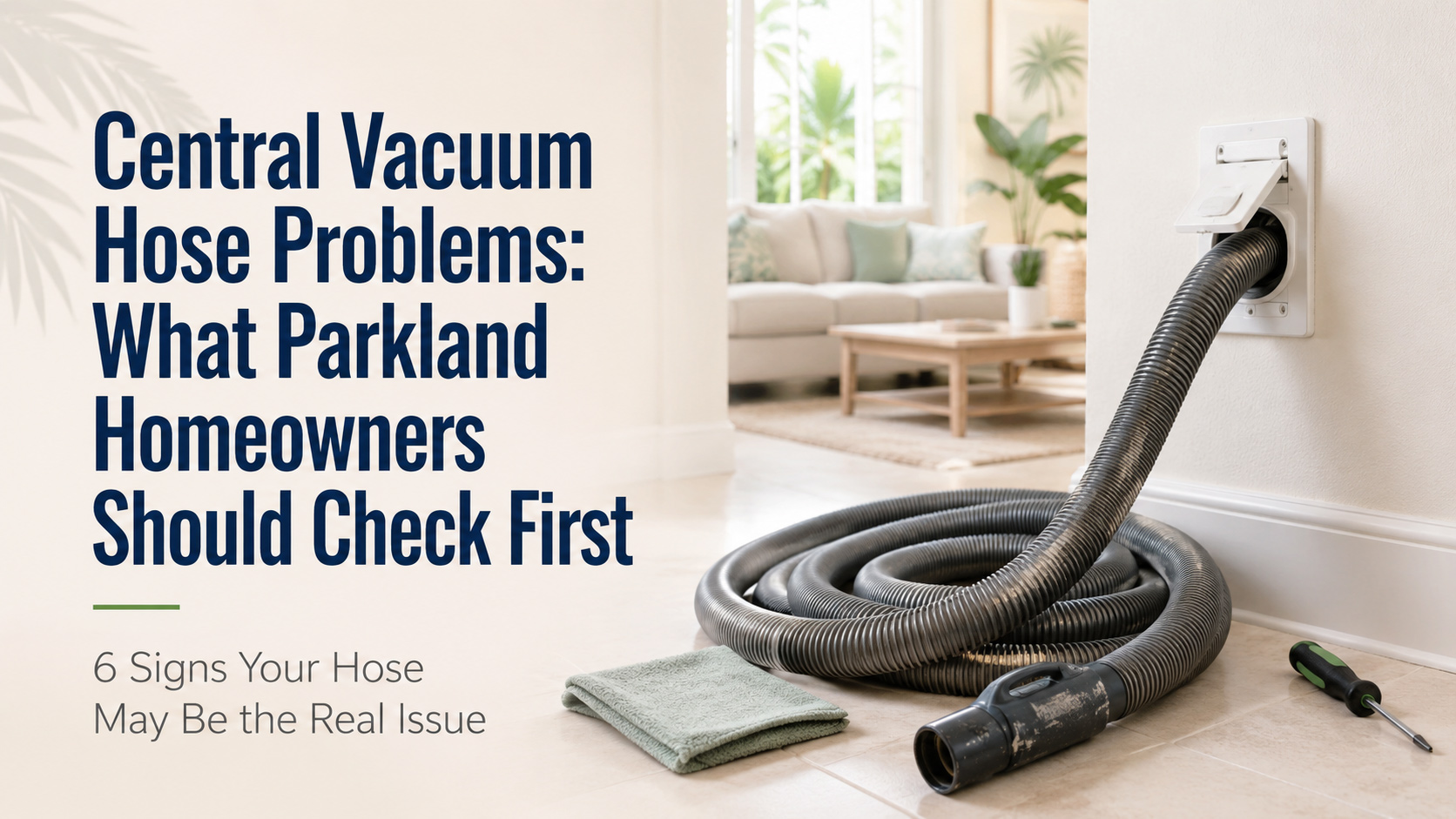
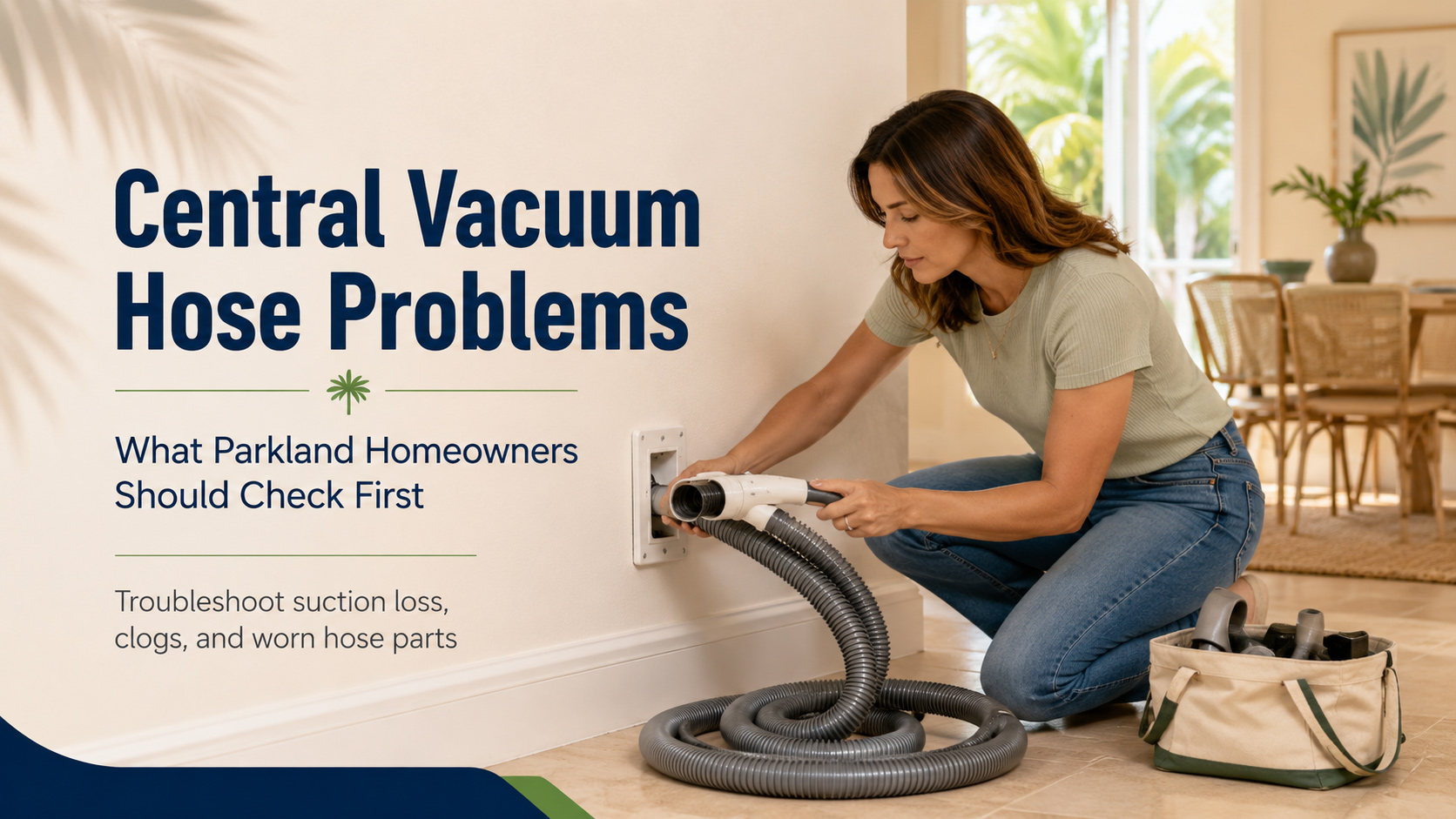
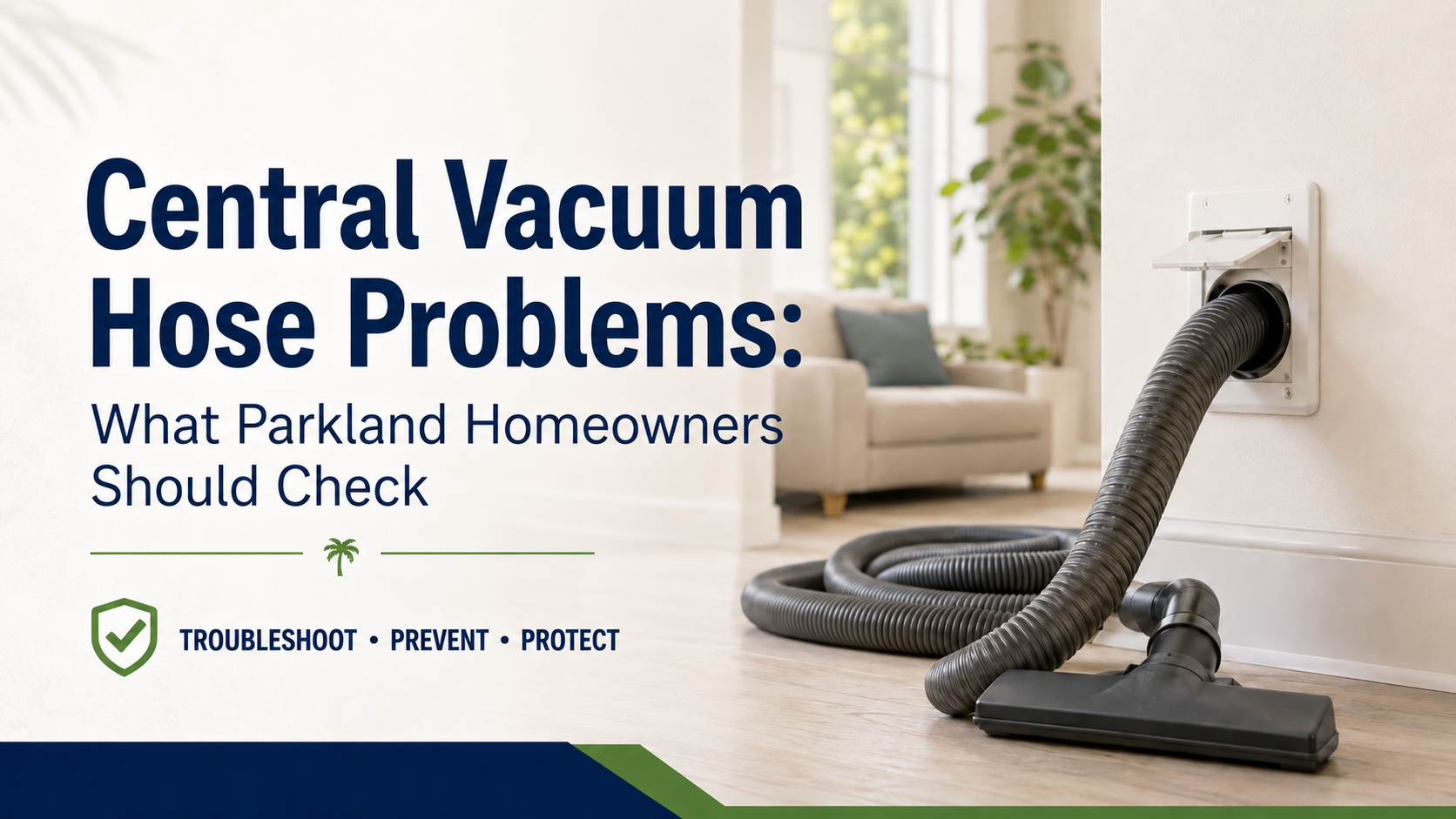
Central Vacuum Hose Problems: What Parkland Homeowners Should Check First
When your central vacuum suddenly loses suction or won’t turn on, it’s easy to assume the power unit has failed. However, for many Parkland homeowners, the real culprit isn’t the central vacuum system at all-it’s the hose.
The hose is the most frequently used component of any central vacuum system. It’s pulled around furniture, stretched through hallways, bent around corners, and plugged into wall inlets thousands of times over its lifetime. As a result, hoses naturally experience more wear and tear than almost any other part of the system.
Before you start shopping for a new power unit or scheduling a major repair, it’s worth taking a closer look at your hose. In many cases, replacing or repairing the hose can restore your system’s performance quickly and affordably.
Why the Hose Is So Important
Your central vacuum hose does much more than carry dirt to the vacuum system. Depending on your setup, it may also:
Deliver electrical power to an electric powerhead
Turn the vacuum system on and off
Control suction with an integrated switch
Connect securely to wall inlets
Support various cleaning attachments
When any part of the hose fails, it can make the entire central vacuum system appear to be malfunctioning.
Sign #1: Cracked or Split Hose
One of the most common hose problems is physical damage. Over time, hoses can develop:
Small cracks
Splits near the handle
Tears from being pinched in doors
Worn sections from years of dragging across tile or concrete
Even a small crack allows air to escape before it reaches the power unit, reducing suction throughout the cleaning process.
Symptoms of a Cracked Hose
Weak suction
Whistling sounds
Reduced cleaning performance
Dirt left behind
Hose feels soft or collapses when in use
Fortunately, replacing a damaged hose is often much less expensive than replacing your central vacuum system.
Sign #2: A Clog Inside the Hose
A clogged hose is another common issue that many homeowners mistake for a failing vacuum. Objects that frequently become lodged inside the hose include:
Pet toys
Socks
Paper towels
Large clumps of pet hair
Hair ties
Children’s toys
Excessive lint
Because central vacuum hoses are long and flexible, debris can become trapped almost anywhere along their length.
How to Tell if the Hose Is Clogged
Try disconnecting the hose from both the wall inlet and your cleaning tools. Look through the hose toward a bright light. If you can’t see daylight clearly through the entire length, there’s likely an obstruction.
Another simple test is to compare the suction directly at the wall inlet with the suction through the hose. If the inlet has strong suction but the hose does not, the hose is often the source of the problem.
Sign #3: The Handle Switch Isn’t Working
Many modern central vacuum hoses feature an on/off switch built into the handle. Over time, this switch can wear out due to frequent use. Common symptoms include:
The vacuum won’t turn on
The vacuum shuts off unexpectedly
The switch feels loose
The switch sticks
The vacuum only works intermittently
Sometimes the switch itself is faulty. In other cases, the electrical wiring inside the handle has become damaged.
Sign #4: Poor Electrical Connections
Electric hoses contain wiring that powers motorized carpet brushes. If these electrical connections become damaged, you may notice:
The powerhead won’t run.
Carpet cleaning performance drops.
Sparks at the wall inlet.
The vacuum motor runs but the brush doesn’t spin.
Loose electrical connections can develop over years of plugging and unplugging the hose or from accidental damage. Replacing a worn electric hose often restores full functionality without requiring repairs to the central vacuum unit itself.
Sign #5: Loose Hose-to-Inlet Connection
A hose should fit snugly into the wall inlet. If it feels loose, several problems can occur:
Air leaks
Reduced suction
Intermittent power
Difficulty keeping the hose connected
Sometimes the hose cuff wears down over time. Other times, the inlet valve itself has become worn and no longer seals properly. Both issues are relatively inexpensive to repair compared to replacing the entire system.
Sign #6: Attachments Don’t Fit Properly
Not every attachment is compatible with every central vacuum hose. Over time, homeowners often purchase replacement tools that don’t match the diameter of their existing hose. Poor-fitting attachments can:
Fall off during cleaning
Leak air
Reduce suction
Scratch flooring
Limit cleaning efficiency
If your tools constantly disconnect or wobble during use, it may simply be time for updated accessories designed to fit your hose correctly.
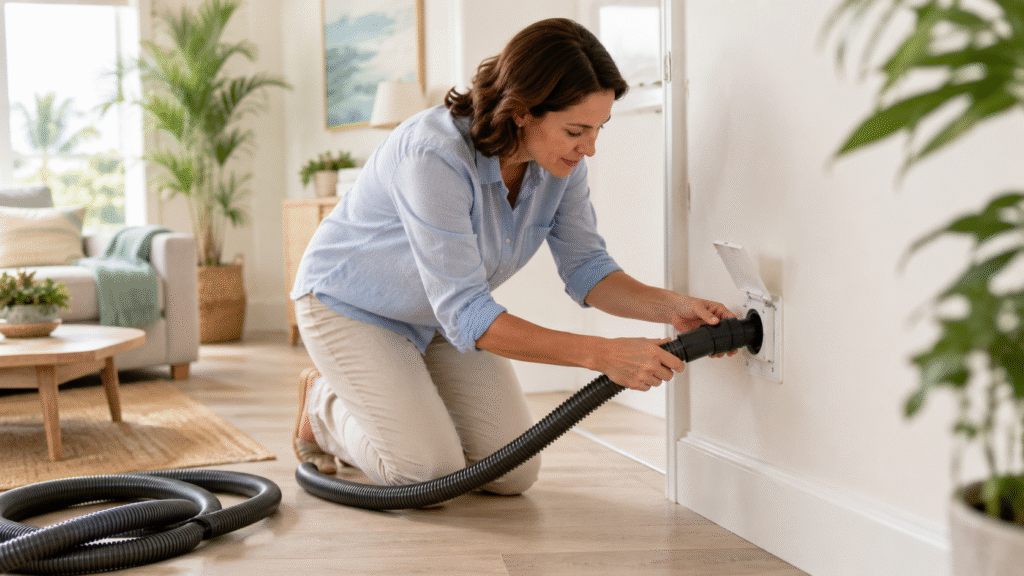
Checking the hose, handle, electrical contacts, and wall inlet can help pinpoint many central vacuum problems.
When Should You Replace a Central Vacuum Hose?
Although high-quality hoses are built to last for many years, they don’t last forever. Consider replacing your hose if:
It’s more than 10-15 years old.
Multiple cracks have developed.
Repairs no longer solve the problem.
The handle switch repeatedly fails.
Electrical connections are unreliable.
Suction remains weak despite clearing clogs.
A new hose can dramatically improve your cleaning experience, especially when paired with updated accessories.
Upgrading Your Accessories Can Improve Cleaning
Many homeowners focus only on the hose but overlook aging attachments. New accessories can make your existing central vacuum system feel like new. Popular upgrades include:
Electric powerheads
Turbo brushes
Bare floor brushes
Pet grooming tools
Upholstery brushes
Dusting brushes
Crevice tools
Extension wands
Modern attachment sets are lighter, more durable, and designed to clean today’s flooring more effectively.
Preventing Future Hose Problems
A few simple habits can extend the life of your hose:
Avoid pulling the hose around sharp corners.
Don’t pinch it in doors.
Store it loosely coiled rather than tightly wrapped.
Remove large objects from floors before vacuuming.
Inspect the hose regularly for cracks or wear.
Replace worn cuffs or handles before they cause bigger problems.
Routine care can help your hose provide years of dependable service.
Visit Gator Vacuum & Sewing for Central Vacuum Hose Replacement and Repair
If your central vacuum isn’t performing the way it used to, don’t assume the power unit has failed. In many cases, the hose, handle, or accessories are the real source of the problem. Replacing a worn hose or upgrading outdated tools is often a fast and cost-effective solution that restores your system’s performance.
At Gator Vacuum & Sewing, we carry high-quality central vacuum hoses, replacement handles, attachment kits, powerheads, and accessories for many of today’s leading central vacuum brands. Our experienced team can help you determine whether your hose needs replacement, recommend the correct parts, or inspect your system if a larger repair is needed.
Whether you’re dealing with weak suction, electrical issues, damaged accessories, or simply need a new hose, we’re here to help homeowners throughout Parkland and the surrounding communities keep their central vacuum systems performing at their best. Visit our showroom or contact us today for expert advice, quality replacement parts, and professional central vacuum service.
Central Vacuum Maintenance Tips for Coconut Creek Homeowners
A central vacuum system is one of the most convenient cleaning upgrades a homeowner can have. It offers powerful suction, quieter operation, improved indoor air quality, and less hassle compared to dragging a portable vacuum from room to room. But like any home system, regular maintenance is essential to keep it operating efficiently year after year.
Many Coconut Creek homeowners rarely think about their central vacuum until something goes wrong. By the time weak suction, strange noises, or overheating appear, the system may already be dealing with unnecessary wear and tear. Fortunately, a little preventative maintenance can go a long way toward avoiding expensive repairs and extending the life of your central vacuum system.
At Gator Vacuum & Sewing Co., we help South Florida homeowners keep their systems running properly with professional central vacuum maintenance, repairs, and replacement parts. Here are some of the most important central vacuum maintenance tips every Coconut Creek homeowner should follow.
Why Central Vacuum Maintenance Matters
Unlike portable vacuums that are constantly visible, central vacuum systems are mostly hidden behind walls, inside garages, utility rooms, or closets. Because they operate out of sight, homeowners often forget they still require routine care.
A neglected system can develop:
Weak suction
Overheating motors
Dust buildup
Clogged tubing
Reduced airflow
Poor cleaning performance
Shortened motor lifespan
Routine maintenance helps prevent these problems while improving the overall efficiency of your home cleaning system.
Empty the Dirt Canister Regularly
One of the easiest but most important maintenance tasks is emptying the collection canister before it becomes overly full.
When debris accumulates too high inside the canister:
Airflow becomes restricted
Suction power decreases
Dust odors may develop
Motors work harder than necessary
For most Coconut Creek homeowners, checking the canister every few months is a good habit. Homes with pets, children, or heavy carpet use may require more frequent emptying.
A simple schedule can prevent unnecessary strain on the system and help maintain strong suction throughout the home.
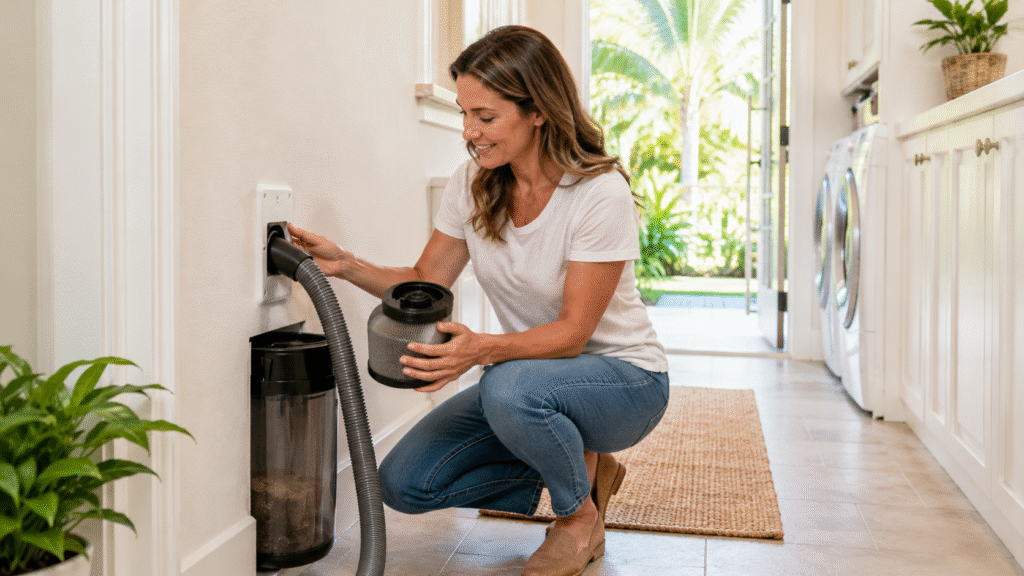
Clean or Replace Central Vacuum Filters
Filters play a major role in both airflow and indoor air quality. Over time, dust and debris clog the filter material, making the motor work harder to pull air through the system.
Depending on your central vacuum model, your system may use:
Washable filters
Disposable filters
Self-cleaning filtration systems
HEPA-style filtration
Dirty filters can lead to:
Reduced suction
Motor overheating
Dust escaping into the air
Burning smells
Increased wear on internal components
Many homeowners forget about filters entirely because they are hidden inside the power unit. Checking and cleaning them at least once or twice a year can make a noticeable difference in system performance.
Inspect Vacuum Hoses for Damage
Your hose handles constant movement, bending, and pulling during everyday use. Even small cracks or leaks can reduce suction dramatically.
During routine maintenance, inspect the hose for:
Splits or tears
Loose handle connections
Air leaks
Crushed sections
Electrical connection problems
If you hear hissing noises or notice weak suction only when using a particular hose, the hose itself may be the problem.
Replacing a damaged hose early is far less expensive than allowing the system to overwork itself compensating for lost airflow.
Check Wall Inlets Throughout the Home
Wall inlet valves are another overlooked component of central vacuum systems. Over time, inlet doors can loosen, seals can wear out, or debris can collect inside the opening.
A yearly inspection should include:
Testing suction at each inlet
Checking for loose mounting plates
Inspecting inlet doors for proper sealing
Cleaning visible debris around the opening
If one inlet has noticeably weaker suction than the others, it may indicate a blockage or leak within that section of tubing.
For larger homes in Coconut Creek, catching these issues early can help avoid more complicated repairs later.
Listen for Changes in Motor Sound
Your central vacuum motor usually develops a familiar operating sound over time. If the motor suddenly sounds louder, rougher, or inconsistent, it may be warning you about a developing issue.
Pay attention to:
Grinding noises
High-pitched whining
Rattling sounds
Excessive vibration
Intermittent operation
Motor changes often indicate:
Worn bearings
Internal debris buildup
Cooling issues
Electrical problems
Aging motor components
Ignoring unusual sounds can eventually lead to total motor failure. Professional inspection can often identify problems before the motor completely burns out.
Checking filters, hoses, and canisters regularly can help prevent weak suction and unnecessary central vacuum repairs.
Test Suction Throughout the House
One of the best ways to monitor your system’s health is by testing suction at multiple inlets periodically.
Walk through the house and check:
Suction consistency
Airflow strength
Hose responsiveness
Carpet cleaning performance
Weak suction in one area may indicate:
A clogged line
Cracked tubing
An inlet leak
A blockage behind the wall
If the entire system feels weaker than normal, the issue may involve the filter, canister, hose, or motor itself.
Routine testing helps homeowners spot problems before they become major repairs.
Watch for Clogs Before They Become Serious
Central vacuum systems can accidentally collect items that should never enter the tubing system, including:
Small toys
Socks
Large paper products
Excessive pet hair
Construction debris
Partial clogs often develop gradually, reducing airflow little by little until cleaning performance becomes noticeably weaker.
Warning signs include:
Reduced suction
Strange airflow sounds
Debris backing up
System overheating
Professional clog removal tools can safely clear blockages without damaging hidden tubing inside your walls.
South Florida Homes Need Extra Attention
Coconut Creek homeowners often deal with factors that increase central vacuum maintenance needs, including:
High humidity
Sand and fine dust
Pet hair
Heavy year-round cleaning demands
Tile flooring with grout dust
Seasonal allergens
These conditions can place additional stress on filters and motors, making routine maintenance even more important in South Florida homes.
Seasonal Central Vacuum Maintenance Checklist
Here’s a simple yearly checklist homeowners can follow to keep their central vacuum system running efficiently:
Every 3-6 Months
Empty dirt canister
Inspect hose for cracks
Check suction performance
Clean visible debris from wall inlets
Every 6-12 Months
Clean or replace filters
Inspect motor sound
Test every wall inlet
Check powerhead and attachments
Inspect for air leaks
As Needed
Remove clogs
Replace damaged hoses
Repair inlet valves
Schedule professional diagnostics
Following a simple maintenance routine can help avoid costly repairs and improve the lifespan of the entire system.
Professional Central Vacuum Maintenance Near Coconut Creek
While homeowners can handle basic maintenance tasks, professional inspections help identify hidden problems before they turn into expensive failures. Gator Vacuum & Sewing Co. helps Coconut Creek homeowners maintain, troubleshoot, and repair built-in vacuums in Coconut Creek from many major brands.
Professional maintenance can include:
Full airflow testing
Motor inspection
Filter replacement
Clog detection
Hose diagnostics
Inlet repair
Suction performance testing
System troubleshooting
Regular service helps protect your investment while keeping your home cleaner and your system operating at peak performance.
Keep Your Central Vacuum Running Strong
A central vacuum system is designed to last for many years, but only if it receives proper care along the way. Simple maintenance steps like emptying the canister, cleaning filters, checking hoses, and monitoring suction can prevent many common problems before they start.
For Coconut Creek homeowners, staying proactive with central vacuum maintenance can improve cleaning performance, extend motor life, and reduce the likelihood of unexpected breakdowns.
If your system has lost suction, developed unusual noises, or simply hasn’t been inspected in years, Gator Vacuum & Sewing Co. is here to help with professional central vacuum maintenance and repair services.
Central Vacuum vs. Upright Vacuum: What Works Best for Broward County Homes?
Choosing the right vacuum system for your home is more important than many homeowners realize. In Broward County, homes deal with unique cleaning challenges year-round, including tile floors covered in sand, pet hair trapped in area rugs, humidity-related dust buildup, and allergens like pollen that constantly make their way indoors.
For many homeowners in areas like Coral Springs, Parkland, Tamarac, Boca Raton, and Fort Lauderdale, the question often comes down to this: should you stick with a traditional upright vacuum, or invest in a central vacuum system?
The answer depends on your home size, cleaning habits, flooring, allergies, pets, and long-term goals. Both systems have advantages, but understanding the real differences can help you make the best decision for your family and budget.
For homeowners looking for local vacuum expertise, Gator Vacuum helps South Florida residents compare, repair, service, and upgrade vacuum systems for the way local homes are actually used.
Why Broward County Homes Have Different Cleaning Needs
South Florida homes experience cleaning conditions that homeowners in other parts of the country may not deal with as heavily. Sand, humidity, pollen, pet hair, and open floorplans can make vacuum performance more important than simply buying the cheapest option available.
Fine sand tracked in from beaches, sidewalks, patios, and garages
Tile and luxury vinyl floors that show dust easily
Pet hair buildup from year-round shedding
High humidity that contributes to dust accumulation
Seasonal pollen and allergens
Large open floorplans with more square footage to clean
Multi-story homes with stairs and hard-to-reach spaces
Because of these factors, choosing the right vacuum setup can make everyday cleaning easier, healthier, and more efficient.
What Is a Central Vacuum System?
A central vacuum system is a built-in cleaning system installed inside the home. Instead of carrying a heavy vacuum around, homeowners plug a lightweight hose into wall inlets connected to tubing hidden inside the walls.
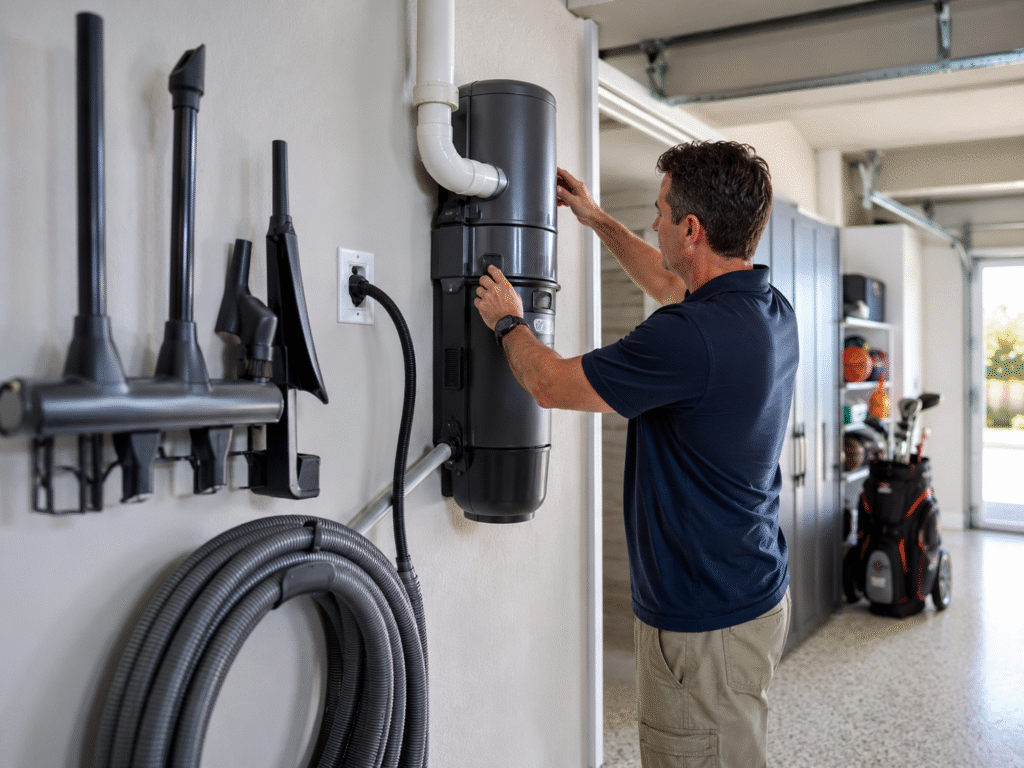
Dust and debris travel through the tubing into a large power unit, usually installed in the garage, utility room, or laundry area. Central vacuum systems are especially popular in larger Broward County homes because they offer powerful suction, quieter operation, and convenient whole-home cleaning.
What Is an Upright Vacuum?
An upright vacuum is the traditional portable vacuum most people are familiar with. The motor, filter, dirt container, brushroll, and handle are built into one movable unit.
Upright vacuums are widely used because they are affordable, easy to purchase, and simple to store in smaller homes. However, performance varies greatly depending on the brand, model, filtration system, and how often the vacuum is maintained.
Convenience: Which Vacuum Is Easier to Use?
Central Vacuum Advantages
For larger homes, central vacuum systems are often far more convenient. Instead of dragging a heavy machine from room to room, you only carry the hose, wand, and cleaning attachment.
Easier cleaning on stairs
Simpler movement through multi-story homes
Less strain while cleaning around furniture
Less physical effort compared to carrying a full upright vacuum
Helpful for homeowners with back pain, mobility concerns, or large homes
Many newer systems also include retractable hose options that store inside the wall, making setup even faster and reducing the need for bulky storage.
Upright Vacuum Advantages
Upright vacuums are useful for quick grab-and-go cleaning. Smaller condos or apartments may benefit from a compact upright vacuum, especially if storage space is limited.
However, carrying the full vacuum around the house can become tiring, especially on stairs, in larger floorplans, or when cleaning multiple rooms in one session.
Suction Power and Deep Cleaning Performance
One of the biggest differences between central vacuum systems and upright vacuums is suction power. Central vacuum systems typically have larger motors and more airflow capacity because the power unit is permanently installed away from the living space.
Central Vacuums Typically Offer Stronger Suction
Because the motor is larger and permanently installed, central vacuum systems usually provide stronger suction, higher airflow, and better performance for whole-home cleaning.
Better deep carpet cleaning
More effective pet hair removal
Stronger pickup for sand, grit, and fine dust
Larger dirt canisters that help maintain performance longer
Improved results for area rugs and high-traffic rooms
This can be especially helpful in Broward County homes with tile floors, large rugs, pets, and frequent outdoor-to-indoor foot traffic.
Upright Vacuums Can Lose Performance Faster
Portable upright vacuums can work well, but they often lose performance faster when dust bins fill, filters clog, belts wear down, or brushrolls become tangled with hair.
Full dust bins can reduce suction
Clogged filters can weaken airflow
Brushrolls can tangle with pet hair
Smaller motors may struggle with deep carpet or heavy debris
Lower-cost models may scatter fine dust instead of capturing it
Indoor Air Quality and Allergies
Indoor air quality is a major concern in South Florida homes. Dust, pollen, pet dander, and humidity-related buildup can affect comfort, especially for families with allergies, asthma, or pets.
Central Vacuums Improve Indoor Air Quality
One of the biggest advantages of a central vacuum system is that dirt and allergens are moved away from the living space. Instead of recirculating microscopic dust particles back into the room, a central vacuum system sends debris to a remote collection container.
Reduced dust circulation
Less pet dander in the living space
Lower pollen exposure indoors
Fewer odors from collected debris
Cleaner air while vacuuming
For families with allergies, asthma, or pets, this can make a noticeable difference in everyday comfort.
Upright Vacuums Can Recirculate Dust
Some high-quality upright vacuums include strong filtration, but many portable vacuums can still leak fine particles back into the air, especially when filters are dirty, seals weaken, or bags are not installed properly.
HEPA upright vacuums can perform well, but budget models may scatter dust while vacuuming, which can be frustrating in homes where allergies or air quality are a concern.
Pet Hair Cleanup
Pet owners in Broward County know how quickly fur can accumulate on tile floors, upholstery, area rugs, and carpeted rooms.
Central Vacuum Systems Excel With Pet Hair
Central vacuum systems are often better for pet-heavy homes because the stronger suction and larger airflow capacity can remove embedded hair more effectively.
Many homeowners can also upgrade an existing central vacuum with newer powerheads, electric hose kits, or improved attachments instead of replacing the entire system.
Upright Vacuums Vary Widely
Some upright vacuums perform well with pets, while others constantly clog, overheat, or wrap hair around the brushroll.
Tangled brushrolls
Frequent dust bin emptying
Reduced suction
Burnt belts
Overheating during heavy use
Noise Levels
Central Vacuums Are Much Quieter Indoors
Since the motor is located away from the living area, central vacuum systems operate much more quietly inside the home. This is especially appreciated in homes with children, pets, remote workers, or multiple people sharing the same space during the day.
Upright Vacuums Are Louder
Traditional upright vacuums place the motor directly next to the user, which creates more noise during cleaning. For households with noise-sensitive pets or family members working from home, this can become a real downside.
Storage and Appearance
Central Vacuum Systems Save Space
Because the motor is hidden away in a garage, utility room, or laundry area, homeowners only need to store the hose, wand, and attachments. This can reduce closet clutter and keep the home looking cleaner.
In upscale Broward County homes where storage and appearance matter, this is a valuable benefit.
Upright Vacuums Take Up More Room
Portable vacuums require storage for the full machine, attachments, replacement filters or bags, and sometimes charging docks for cordless models. This can become inconvenient in smaller closets or laundry rooms.
Maintenance and Repairs
Central Vacuum Systems Often Last Longer
A properly maintained central vacuum system can last 15 to 25 years or longer. Many common issues are repairable, including motors, circuit boards, hoses, inlets, and powerheads.
Because the system is built into the home, repairs are often more cost-effective than replacing the entire unit. Routine maintenance may include emptying the canister, replacing bags or filters, cleaning attachments, and inspecting hoses.
Many consumer upright vacuums last around 5 to 8 years on average, while cheaper models may fail sooner in homes with pets, sand, or heavy use.
Broken brushrolls
Weak batteries
Belt failures
Cracked hoses
Motor burnout
In many cases, replacing an upright vacuum becomes more practical than repairing it, especially when the machine is lower-cost or parts are difficult to source.
Upfront Cost vs. Long-Term Value
Upright Vacuums Cost Less Initially
A traditional upright vacuum is usually cheaper upfront. This makes upright vacuums attractive for apartments, temporary living situations, smaller homes, and budget-conscious buyers.
Central Vacuums Offer Better Long-Term Value
Although installation costs are higher, central vacuum systems often provide a longer lifespan, better durability, stronger whole-home cleaning performance, and a lower replacement frequency over time.
For larger Broward County homes, many homeowners find the investment worthwhile, especially when the system improves convenience, indoor air quality, and daily cleaning performance.
Which Vacuum Is Best for Tile Floors?
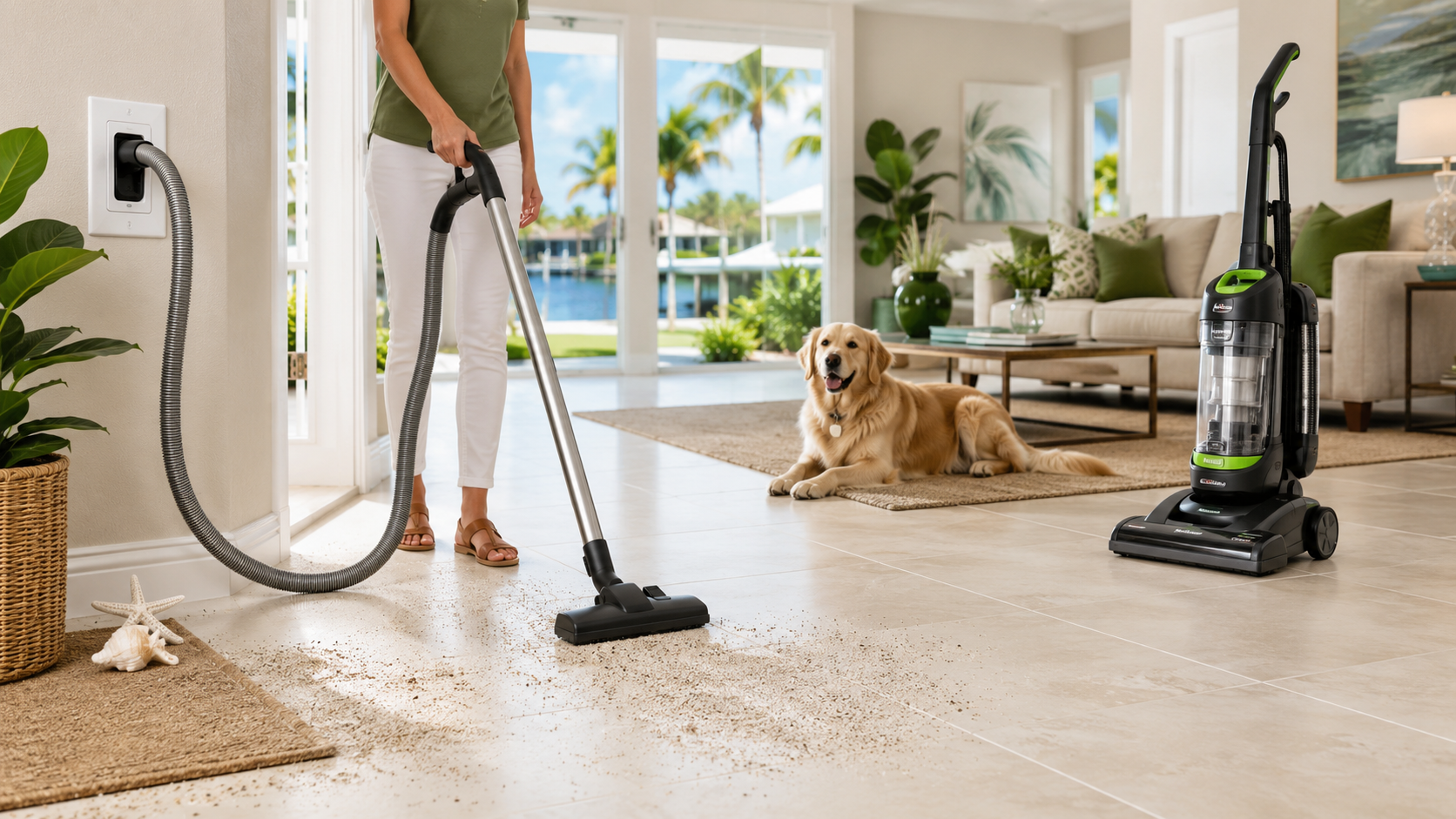
Tile flooring is common throughout South Florida. The right vacuum system should remove sand, dust, pet hair, and debris without scattering particles across the floor.
Central Vacuums Perform Extremely Well on Tile
With the right attachments, central vacuums are excellent for tile floors. Strong airflow helps capture debris instead of pushing it around, while hard-floor attachments can clean delicate surfaces without scratching.
Removes fine dust effectively
Picks up sand without scattering it
Helps clean grout lines more efficiently
Works well for large tile areas and open floorplans
Can be paired with specialized hard-floor tools
Upright Vacuums Can Scatter Debris
Some upright vacuums struggle on hard floors because the brushroll may push sand, blow dust outward, or scratch delicate surfaces. Hard-floor-specific models perform better, but quality matters greatly.
When an Upright Vacuum Makes Sense
An upright vacuum may still be the best option if you live in a small condo or apartment, move frequently, need a lower upfront cost, or only vacuum occasionally.
You live in a small condo or apartment
You need a lower upfront cost
You move frequently
You only vacuum occasionally
You want a portable secondary vacuum
For smaller spaces, a quality upright vacuum can work perfectly well, especially when the home does not have pets, heavy carpet, or large amounts of sand and dust.
When a Central Vacuum System Makes Sense
A central vacuum system is often the better investment for larger homes, pet-heavy households, allergy-sensitive families, and homeowners who want stronger suction with less noise.
You own a larger home
You have pets
Family members have allergies
You vacuum frequently
You want quieter operation
You want stronger suction
You want long-term durability
You already have an existing central vacuum system
In many cases, repairing or upgrading an older central vacuum is far more affordable than homeowners expect.
Should You Repair or Replace Your Existing Central Vacuum?
Many Broward County homeowners assume an older central vacuum system must be replaced entirely when performance drops. Often, the issue is much simpler.
A worn hose
A clogged line
An aging motor
Old accessories
A failing powerhead
A dirty filter or full canister
Upgrading accessories or repairing the existing unit can dramatically improve cleaning performance at a fraction of the cost of a new installation.
A professional inspection can help determine whether a repair makes sense, whether an accessory upgrade would help, or whether a full replacement is truly necessary. You can also learn more about the company’s local experience on the Gator Vacuum About Us page.
Central Vacuum vs. Upright Vacuum: Quick Comparison
Category
Central Vacuum
Upright Vacuum
Suction Power
Usually stronger
Varies by model
Indoor Air Quality
Better debris removal from living space
May recirculate fine dust
Pet Hair
Excellent with the right powerhead
Can clog or tangle
Noise
Quieter indoors
Louder near the user
Storage
Stores hose and attachments only
Requires space for full machine
Best For
Larger homes, pets, allergies, frequent cleaning
Smaller homes, condos, lower upfront budgets
FAQ: Central Vacuum vs. Upright Vacuum
Is a central vacuum better than an upright vacuum?
For many larger homes, yes. Central vacuum systems usually offer stronger suction, quieter operation, better indoor air quality, and easier whole-home cleaning. However, an upright vacuum may still be practical for smaller homes, condos, or occasional use.
Are central vacuums good for tile floors?
Yes. Central vacuums work very well on tile floors when paired with the right hard-floor attachments. They can remove sand, dust, and pet hair without scattering debris across the floor.
Can an old central vacuum be repaired?
In many cases, yes. Weak suction or poor performance may be caused by a clogged hose, worn motor, aging powerhead, blocked line, or old accessories. A repair or accessory upgrade may restore performance without replacing the entire system.
Which vacuum is better for pet hair?
Central vacuum systems are often better for pet hair because they provide stronger suction, larger debris capacity, and better airflow. The right powerhead or attachment can also make a major difference on rugs, carpets, upholstery, and tile floors.
Final Thoughts
Both upright vacuums and central vacuum systems can clean effectively, but they serve different needs. For many Broward County homeowners, central vacuum systems offer stronger suction, improved air quality, easier whole-home cleaning, better pet hair removal, longer lifespan, and greater convenience.
Meanwhile, upright vacuums remain a practical option for smaller homes, lower budgets, and lighter cleaning needs.
If your current vacuum system struggles with pet hair, sand, dust, or allergies, it may be time to explore repair options, accessory upgrades, or a more powerful cleaning solution designed for the demands of South Florida living.
Why Morning Vacuuming Helps Boca Raton Homes Stay Cleaner
When it comes to maintaining a cleaner, healthier home, timing matters. While many people vacuum whenever they find a free moment, morning vacuuming can be one of the most effective cleaning habits you can adopt.
For Boca Raton homeowners, where warm weather, pets, pollen, sand, and daily foot traffic can all add to indoor dust and debris, a quick morning vacuuming routine can help keep floors cleaner throughout the day.
By vacuuming early, before the house becomes busy with foot traffic, pets, and daily activities, you can reduce allergens, improve dust control, and support better indoor air quality. Here’s why adding vacuuming to your morning home cleaning routine can make such a difference.
Morning Vacuuming Helps Reduce Dust Before It Spreads
Dust settles overnight on floors, carpets, area rugs, and hard surfaces. Once people start moving around, that dust can get kicked back into the air and spread across furniture, countertops, and other surfaces.
Vacuuming in the morning:
Removes settled dust before it becomes airborne
Helps prevent dust from spreading throughout the home
Improves overall dust control
Keeps floors looking cleaner during the day
By starting the day with clean floors, you limit how much debris circulates through your living space.
Fewer Allergens in the Air All Day Long
Allergens like pollen, pet dander, and dust mites often build up overnight. Morning vacuuming helps remove these irritants before windows open, HVAC systems cycle, or daily activity stirs them up.
This can be especially helpful for:
Allergy sufferers
Homes with pets
Families with children
Boca Raton homes with frequent indoor/outdoor foot traffic
Removing allergens early helps maintain cleaner air and may reduce allergy irritation throughout the day.
Better Air Quality When Your Home Is Calm
Vacuuming when your home is quiet, before everyone wakes up or leaves for the day, allows dust and particles to be captured more efficiently.
Benefits include:
Less airborne debris during cleaning
Reduced need for extra surface dusting
Cleaner air that lasts longer
A fresher start to the day
This approach is especially helpful when paired with a well-maintained vacuum or central vacuum system.
Starting your day with a quick vacuum helps create a cleaning habit that is easier to maintain.
Why it works:
Less mess has accumulated compared to evening hours
You are cleaning proactively instead of reactively
Floors stay cleaner longer
Regular cleaning can reduce the need for heavier deep cleaning
Even vacuuming high-traffic areas for 10 to 15 minutes in the morning can make a noticeable difference.
Helps Control Pet Hair Before It Builds Up
Pets are often active throughout the day, which means fur, dander, and tracked-in debris can spread quickly. Morning vacuuming removes pet hair before it has a chance to collect on furniture, rugs, and bedding.
This means:
Less pet hair on furniture
Cleaner floors by evening
Better dust control in homes with shedding pets
A fresher home environment
For pet owners in Boca Raton, this simple morning routine can make daily cleaning feel much more manageable.
Is Your Vacuum Helping or Holding You Back?
If your vacuum is losing suction, leaving debris behind, making unusual noises, or not capturing dust properly, your cleaning routine may not be as effective as it should be.
A poorly performing vacuum can leave allergens, dust, and pet hair behind, even when you vacuum regularly. Central vacuum systems may also need service if there is weak suction, clogged piping, worn hoses, inlet problems, or motor issues.
That is where regular vacuum maintenance makes a big difference.
Practical Morning Vacuuming Tips
To make morning vacuuming efficient and effective, keep these vacuuming tips in mind:
Focus on high-traffic areas like entryways, living rooms, hallways, and bedrooms
Use attachments designed for your flooring type
Vacuum slowly to allow better dust and allergen capture
Empty bags or canisters before they become too full
Replace filters as needed
Check hoses, attachments, and powerheads for wear
Choose a vacuum with strong filtration
A little extra care helps your vacuum perform better and keeps your home cleaner.
Need Vacuum or Central Vacuum Service in Boca Raton?
If your vacuum or central vacuum system is not performing the way it should, Gator Vacuum can help. Gator Vacuum provides Boca Raton customers with central vacuum repair, service, installation, hoses, filters, attachments, parts, and accessories.
Whether your system has weak suction, clogged pipes, worn tools, inlet issues, or needs routine maintenance, having it checked by an experienced vacuum service team can help restore performance and make your daily cleaning routine easier.
Final Thoughts: A Simple Change With Big Benefits
Vacuuming in the morning is a small habit that can deliver big results. By removing dust and allergens before your home becomes active, you can improve air quality, maintain cleaner floors, and support a healthier daily routine.
If you are looking to enhance your home cleaning routine, try morning vacuuming for a week. You may notice less dust, fresher air, and a cleaner home that lasts all day.
For Boca Raton homeowners, a better vacuuming routine starts with the right habits and the right equipment.
For over three decades, we’ve specialized in central vacuum repair and maintenance across Broward County, including right here in Oakland Park. Whether it’s a quick tune-up, a full motor replacement, or finding the source of a clog, we’ll restore your system’s performance so you can get back to a cleaner, more comfortable home.
Why Central Vacuums Need Expert Care
Your central vacuum is designed to last for years – but only if it’s serviced by trained technicians who understand every component. Common reasons Oakland Park homeowners call us include:
Reduced suction power from debris buildup or cracks in the line.
Overheating or shutting off due to motor wear.
Strange noises or vibrations signaling fan or bearing damage.
System not turning on because of electrical or relay problems.
Our team uses advanced diagnostic tools to quickly pinpoint the issue, so you’re not paying for guesswork. We carry parts for all major systems, including Beam, VacuMaid, DrainVac, Nutone, and MD Manufacturing.
Our Proven Repair Process
When you schedule a repair with Gator Vacuum & Sewing, you can expect:
Initial Inspection: We check airflow, inlet suction, and the main unit’s health.
Full Diagnostic Testing: We identify leaks, wiring issues, and blockages.
Repairs and Part Replacement: On-the-spot fixes whenever possible.
System Optimization: We fine-tune suction and ensure all inlets work perfectly.
Our process ensures your system isn’t just fixed – it’s performing at peak efficiency before we leave.
Regular maintenance is key to keeping your vacuum running like new:
Replace filters or bags every 3-6 months.
Have your system professionally inspected once a year.
Keep inlet valves clean to avoid dust leaks.
Don’t use your system to vacuum liquids or fine drywall dust.
Our technicians can set up a custom maintenance plan for your Oakland Park home, saving you money long-term by preventing costly breakdowns.
Why Choose Gator Vacuum & Sewing
Serving Broward homeowners for over 30 years.
Licensed, insured, and factory-trained technicians.
Large inventory of OEM and universal parts.
Friendly service, honest pricing, and guaranteed results.
Same-day repair appointments available.
We’re proud to be a locally trusted name that combines old-fashioned customer care with modern repair expertise.
Eco-Friendly Cleaning You Can Count On
Oakland Park homeowners love eco-conscious solutions – and a central vacuum system is one of the most energy-efficient cleaning tools available. When you maintain it properly, you also reduce waste by extending the lifespan of your existing system rather than replacing it prematurely.
Gator Vacuum & Sewing supports greener living by recycling parts responsibly and recommending sustainable upgrades when available.
Proudly Serving the Oakland Park Community
From Coral Heights to the neighborhoods around Jaco Pastorius Park, our technicians are always nearby. We understand how Florida’s humidity, pet hair, and everyday dust affect your system – and we’re equipped to handle it all.
Whether you live in a modern townhome or a classic mid-century house, we’ll keep your built-in vacuum running like new.
Call Us Today!
Don’t let weak suction or a noisy motor slow you down. Get expert central vacuum repair in Oakland Park from the team that South Florida homeowners trust most.
Call Gator Vacuum & Sewing today at (954) 419-5311 or schedule your repair online. We’ll make your system feel brand new – guaranteed.
Keep Your North Lauderdale Home Clean and Convenient
North Lauderdale homeowners know how much easier life is with a working central vacuum system. From reducing allergens to making deep cleaning effortless, these systems are one of the smartest home upgrades available. But even the best systems wear down over time – and that’s when you need the experienced professionals at Gator Vacuum & Sewing.
For over 30 years, we’ve been the trusted name for central vacuum repair in Broward County, offering prompt, professional service for every brand and model. Whether you’re dealing with weak suction, a broken motor, or clogs in your tubing, our experts can diagnose and fix the issue quickly.
Weak suction or poor airflow: Usually caused by leaks or blockages in the piping system.
Motor failure: A common problem in older units after years of use.
Electrical issues: Faulty switches, worn wiring, or relay board malfunctions.
Dust escaping the unit: Often due to a torn bag, damaged filter, or cracked housing.
Our certified technicians arrive prepared to repair these problems on the spot whenever possible – saving you time and frustration.
The Repair Process: Fast, Clean, and Reliable
Inspection: We check suction levels at all inlets and assess the main unit.
Diagnostics: Electrical tests, airflow measurements, and tubing inspection.
Repair or Replacement: We fix or replace damaged components right away.
Final System Check: We test the system thoroughly before completing the job.
Our team respects your time and property. We leave your home as clean as we found it – often cleaner!
Why Choose Gator Vacuum & Sewing
30+ years of experience in South Florida.
Factory-trained technicians who service all major brands (Beam, Nutone, DrainVac, VacuMaid, and more).
On-hand inventory of motors, filters, bags, and tubing.
Same-day repair appointments available.
100% satisfaction guarantee on service and parts.
We pride ourselves on offering honest assessments – if repair isn’t cost-effective, we’ll help you choose an affordable replacement option that fits your home.
Preventive Maintenance for Lasting Performance
Keep your North Lauderdale home dust-free year-round with regular service:
Replace or clean filters every 3–6 months.
Check for clogs in wall inlets or hoses.
Schedule an annual inspection to prevent wear before it starts.
Routine maintenance helps avoid expensive breakdowns and keeps suction strong – perfect for homes with pets or high foot traffic.
Serving North Lauderdale Neighborhoods
From Kimberly Forest to Broadview Country Club Estates, our technicians know the area and the unique needs of local homeowners. We understand Florida’s humidity, fine dust, and pet hair challenges – and we tailor our service accordingly.
Your Trusted Local Experts
When your system starts acting up, don’t ignore it – call the professionals who care about your comfort and air quality.
From older homes with original piping to newer builds with advanced systems, Margate’s housing mix makes central vacuum maintenance diverse. Gator Vacuum & Sewing has worked with every configuration imaginable – providing repair, replacement, and routine maintenance across the city.
Signs It’s Time for Repair
Decreased suction in multiple rooms.
Dust escaping from the unit.
System shuts off mid-use.
Burning smell or rattling noise.
If any of these sound familiar, your vacuum likely needs professional attention before the problem worsens.
Our Full-Service Approach
We go beyond basic repairs to ensure long-term reliability:
Inspect every inlet and hose connection.
Replace or re-seal cracked piping joints.
Check wiring for continuity and corrosion.
Replace worn filters and bags.
Test airflow and adjust for optimal power.
You’ll receive a full report after service, detailing what we found and fixed.
Lauderdale Beach combines ocean breezes with fine white sand – and that sand often ends up inside your central vacuum system. Over time, it can clog pipes, grind down seals, and strain motors.
Our technicians at Gator Vacuum & Sewing know exactly how to protect your system from the coastal elements that challenge homeowners year-round.
Common Symptoms We Fix
Weak suction from sand buildup in pipes.
Unusual vibration or humming noise.
Corrosion in metal fittings and motor housings.
Odors caused by damp filters or mildew.
We perform detailed line flushing and corrosion checks to restore airflow and protect electrical components from further damage.
Beach-Area Preventive Tips
Mount the power unit away from the ocean side of your property.
Wipe inlet covers regularly to remove salt deposits.
Consider adding a pre-filter or moisture trap in high-humidity zones.
These small steps can extend your system’s life by several years.